
10 Best Videotape Family History Preservation Methods
Have you ever wondered if there's a foolproof way to ensure your family's videotaped memories stand the test of time? You're not alone in this quest.
Preserving your family history is crucial, as these tapes hold irreplaceable moments that you'll want to share with future generations. From storing your videotapes in a cool, dry place to converting them into a digital format for easier access and longevity, the methods vary in complexity and necessity.
However, finding the right balance between practicality and effectiveness is key. As we explore the top ten videotape family history preservation methods, you'll discover not only how to safeguard these precious memories but also how to enhance their accessibility for years to come.
Stick around to uncover which strategies best suit your needs and how to implement them effectively, ensuring your family's legacy is preserved in the digital age.
Key Takeaways
Storing videotapes in a cool, dry, and dark environment is crucial for preserving their quality and longevity.
Consider the pros and cons of DIY digitization versus using a conversion service to ensure the best results.
Choose reliable video capture devices and editing software for DIY digitization to maintain digital quality.
Utilize archival-quality storage options and regular backups to preserve the digitized family history for future generations.
Understanding Videotape Degradation
To effectively safeguard your family's videotaped memories, it's crucial to grasp how videotapes degrade over time due to environmental factors and physical wear. Understanding the nuances of videotape degradation is fundamental to protecting these irreplaceable family memories.
VHS tapes , once a popular medium for recording precious moments are particularly susceptible to adverse conditions. Temperature fluctuations and high humidity levels accelerate the chemical breakdown of the magnetic tape, leading to diminished video quality. This can manifest as color loss, which directly impacts the vibrancy and clarity of your family memories captured on VHS tapes . Additionally, exposure to magnetic fields can erase or distort the audio and visual content, further compromising the integrity of your recordings.
Storing your videotapes in a cool, dry, and dark environment is essential to mitigate these risks. It's also advisable to inspect and clean your tapes regularly, removing dust and debris that could cause physical damage over time.
To ensure the longevity of your family memories, consider transferring your videotape content to digital formats. This step not only preserves the content from further degradation but also grants you the freedom to share and enjoy these moments with future generations easily.
Order Digital Conversion Today
ORDER TODAYDigitizing VHS Collections
As you embark on digitizing your VHS collections, it's crucial to weigh the pros and cons of employing a conversion service versus undertaking the process yourself.
If you opt for DIY digitization, it is imperative to familiarize yourself with capture cards, software, and maintaining digital quality.
Moreover, regardless of the chosen path, ensuring the organized and labeled digital files meet archival standards will preserve your family's history for generations.
Choosing a Conversion Service
When selecting a conversion service for digitizing your VHS collections, it's crucial to meticulously research and compare reputable professionals who specialize in this area. The goal is to digitize old memories into digital files you can easily access and preserve.
-
Cost and Turnaround Time: Evaluate the balance between affordable rates and swift service delivery. Remember, quality shouldn't be compromised for speed or savings.
-
Expertise with Fragile Tapes: Ensure the service has a proven track record of handling old, potentially fragile VHS tapes with the care they deserve.
-
Quality of Digitization: Confirm the conversion service offers high-definition digital files, ensuring your memories are preserved in the best possible quality.
Choosing wisely grants you freedom from the fear of losing precious memories to obsolete formats.
DIY Digitization Tips
If you're embarking on the journey of digitizing your VHS collections yourself, it's essential to gather the right tools and knowledge to ensure the preservation of your cherished memories with utmost precision.
Firstly, a reliable video capture device is paramount. This device, often a capture card, bridges your analog VHS player and your digital workstation, translating analog signals into a digital format. Choosing a high-quality capture card ensures the fidelity of your digital copy, minimizing data loss during the conversion process.
Next, familiarize yourself with robust editing software, such as Adobe Premiere. It offers the flexibility and control needed to refine and enhance your digitized footage, ensuring your family history isn't only preserved but presented in the best possible light.
Maintaining Digital Quality
Having equipped yourself with the necessary tools and knowledge for digitizing your VHS collections, it's crucial to focus on maintaining digital quality to ensure the longevity and integrity of your converted memories. Here are three pivotal steps to uphold the quality of your digitized files:
-
Utilize Archival-Quality Materials: Opt for external hard drives or flash drives designed for archival purposes, which will enhance the durability and accessibility of your digital archives.
-
Seek Professional Assistance: Harness professional capture equipment and software to digitize, ensuring the highest fidelity and preventing data degradation over time.
-
Engage in Regular Backups: Establish a routine for backing up your digitized collections to multiple locations, including cloud storage, to safeguard against data loss and ensure your memories are preserved for future generations.
Selecting the Right Equipment
To ensure the successful preservation of your family's video history, it's crucial to carefully select the right equipment based on the specific format of your home videos. Understanding that each video format demands a distinct approach and equipment is fundamental in safeguarding your Family Legacy.
Here's a concise guide to help you choose:
| Video Format | Required Equipment |
|---|---|
| VHS Tapes | VCR and Digitizer |
| 8mm Films | Film Projector and Camcorder |
| DVDs | Video Capture Card and Capture Software |
Integrating a VCR with a digitizer is essential for VHS tapes . This combination allows you to convert these tapes into digital files effectively. When dealing with 8mm films , a film projector paired with a video camera ensures that these older memories are captured accurately. Lastly, DVDs can be easily converted using a video capture card and capture software, facilitating the transition from physical to digital.
Additionally, don't overlook smartphones' potential as a cost-effective recording option. Equip yourself with a tripod and earbuds for better audio quality, and select a quiet, well-lit space to create a conducive environment for recording. This meticulous approach will not only preserve but also enhance the quality of your Family Legacy.
Cloud Storage Solutions
In the digital age, cloud storage solutions have emerged as a pivotal method for securely preserving and sharing your family's video history, accessible from anywhere with an internet connection. As you digitize your home videos, embracing cloud storage solutions not only safeguards these precious memories from physical damage but also ensures that future generations can easily access and relish in the rich tapestry of their ancestry.
Here are three essential aspects to consider:
-
Security and Redundancy: Cloud storage provides robust security measures and multiple backups, protecting your family history files against loss or damage. This redundancy is crucial for preserving your digital legacy.
-
Accessibility and Sharing: Cloud storage solutions offer features designed for easy organization and sharing, allowing you to collaborate with family members spread across the globe. This collective effort enriches your family history archive, making it a collaborative treasure trove.
-
Cost-Effectiveness and Scalability: Offering various plans, cloud storage is a scalable, budget-friendly option. As your archive grows, you can easily adjust your storage plan to meet your evolving needs without breaking the bank.
Handling and Storage Tips
As you transition from cloud storage solutions to the tangible realm of videotape preservation, understanding the nuances of handling and storage becomes paramount.
Storing your videotapes in environments with moderate temperatures and minimal dust can significantly mitigate the risk of damage.
Moreover, adopting meticulous physical handling practices, including the use of archival-quality materials for storage and labeling, ensures the longevity and integrity of your cherished family history recordings.
Order Digital Conversion Today
ORDER TODAYProper Videotape Storage Conditions
Often, the longevity of videotapes hinges critically on the conditions under which they're stored, requiring careful attention to environmental factors and handling practices. Proper videotape storage conditions are pivotal to preserving your video recordings. If you desire the freedom to enjoy these memories indefinitely, it may be time to digitize.
However, until then, follow these guidelines:
-
Temperature and Humidity Control: Store tapes in a cool, dry place where temperature and humidity levels are stable.
-
Avoid Magnetic Fields: Keep videotapes away from devices that generate magnetic fields, as they can erase or distort your recordings.
-
Vertical Storage: Position tapes vertically on a shelf to prevent warping and ensure they're not squeezed tightly together, allowing air to circulate around them.
Adhering to these practices will significantly extend the life of your videotapes.
Physical Handling Best Practices
Adopt meticulous physical handling and storage practices to ensure the longevity and integrity of your videotapes and discs. Adhering to these practices isn't just recommended; it's essential for preserving your precious memories when delving into family history through video editing.
Always use gloves when handling these audiovisual materials. This prevents oils and dirt from your skin from damaging the surfaces. Store tapes and discs vertically to avoid warping and distortion, ensuring they remain in their original shape for years. Keep these treasures in a cool, dry, and dark environment, away from extreme temperatures and humidity that could damage their quality.
Additionally, investing in archival-quality sleeves and cases shields them from dust, scratches, and other potential harm, embodying the essence of physical handling best practices.
Mold Prevention Strategies
When preserving your family's videotape history, it's crucial to tackle mold prevention head-on by ensuring proper storage conditions.
Mold can devastate precious memories stored on home videos, turning clear images and sounds into fuzzy, forgotten pasts. By adopting methodical mold prevention strategies, you safeguard these irreplaceable treasures for future generations to enjoy.
Here are three critical steps:
-
Ensure Proper Ventilation: It is essential to keep your storage area well-ventilated and ensure air can circulate freely. This step prevents the accumulation of damp air, which molds thrive in.
-
Control Humidity: Use dehumidifiers and moisture-absorbing products to maintain a cool, dry environment. Low humidity levels are less hospitable to mold, protecting your home videos from degradation.
-
Regular Inspections and Mold-Resistant Containers: Check your tapes regularly for signs of mold and store them in mold-resistant containers or sleeves. This proactive approach not only catches mold at its inception but also provides a physical barrier against spore penetration.
Repairing Damaged Tapes
After implementing mold prevention strategies for your videotape collection, it's equally important to address the repair of tapes that have already suffered damage. First, you must assess the extent of the damage on these tapes. This step is crucial as it determines the next course of action for repairing the damaged tapes.
For minor damages, a DIY approach might suffice, but for severely damaged tapes, seeking professional assistance is paramount. Professional tape restoration services, often found through reputable video stores, possess the expertise and equipment necessary for repairing damaged tapes. They can handle a range of issues, from simple breaks to more complex degradation.
If the damage involves a broken or damaged section of the tape, splicing tape is a recommended method. However, to avoid further damage, it requires precision and an understanding of the tape's structure.
Moreover, cleaning the tape path and heads of the playback equipment is essential before playing the repaired tapes. This step prevents the recurrence of damage and ensures the longevity of both the tape and the equipment.
Organizing Digital Archives
As you embark on organizing your digital archives, selecting appropriate file formats is crucial for ensuring long-term accessibility and compatibility.
Implementing metadata strategies, wherein you attach detailed information to files, enhances your ability to search and retrieve specific memories with ease.
These methodical steps form the backbone of a robust digital archiving system, safeguarding your family's history for future generations.
Selecting Appropriate File Formats
Selecting the right file formats is crucial for ensuring the longevity and accessibility of your digital archives. When preserving video, home movies recorded on devices like DVD recorders, it's essential to choose formats that balance quality with wide compatibility. Here's how you can ensure your cherished memories stand the test of time:
-
Video Files: Choose MP4, AVI, or MOV formats. These offer excellent quality and are compatible with a wide range of devices, ensuring your home movies can be watched for generations.
-
Audio Preservation: Use FLAC or WAV for audio files. These lossless formats maintain the high quality of original recordings, which is crucial for preserving spoken word memories or background sounds in home videos.
-
Storage Solutions: Organize digital archives in well-labeled folders and utilize cloud storage or external hard drives for secure, long-term preservation. Avoid proprietary formats to ensure future accessibility.
Implementing Metadata Strategies
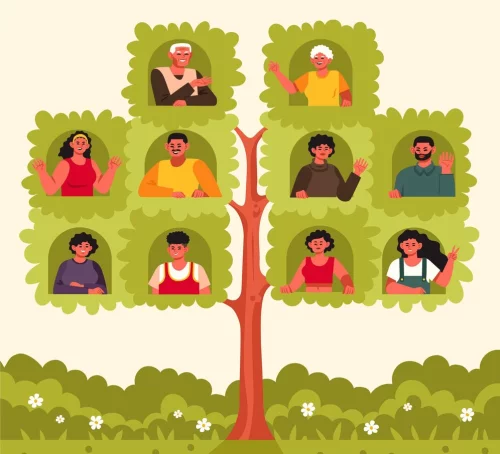
To effectively organize your digital archives, it's essential to implement metadata strategies that utilize descriptive, standardized information such as dates, names, and locations. For family history preservation, especially with videotape content, adopting these strategies ensures each piece of your heritage is meticulously cataloged and accessible.
Begin by incorporating keyword tags and descriptions, enhancing the searchability and accessibility of your archives. Employ a consistent file naming convention to maintain organization, aiding in the swift location of specific items. Utilize metadata management tools or software, streamlining the process of adding and updating metadata.
Establish a hierarchical folder structure and cross-reference content, facilitating efficient navigation and retrieval. This methodical approach empowers you to explore and share your family's legacy easily.
Sharing Memories Online
In the digital age, sharing family memories online offers a dynamic platform for preserving and celebrating your ancestry. As you seek freedom in how you share a story, consider these methodical and scholarly approaches to connect and engage with your family's past:
-
Social Media and Video Platforms: Utilize platforms like Facebook, Instagram, and YouTube to share family memories and stories. This approach allows for immediate engagement and feedback from your audience, making it a vibrant space for storytelling.
-
Blogs and Dedicated Websites: Create a family history blog or a dedicated website where you can document and share stories, photos, and videos in a more structured and permanent manner. This option offers the freedom to craft a narrative in your own voice, providing a deeper dive into your family's history.
-
Online Family Trees and Communities: Engage with platforms such as Ancestry.com or MyHeritage to preserve and share your family history . Participating in online forums and communities dedicated to family history preservation can also offer valuable insights and connections.
These methods provide a comprehensive and interactive way to preserve and celebrate your family's journey, ensuring that the memories and stories that have shaped you aren't forgotten but shared and cherished by future generations.
Future-Proofing Your Archive
Ensuring your family's history withstands the test of time requires meticulous planning and the adoption of robust archival practices. Future-proofing your archive isn't just about preservation; it's about ensuring that decades from now, your family members can still access and experience these treasured memories. The key is in how you store, convert, and maintain these materials.
| Strategy | Details | Benefits |
|---|---|---|
| Proper Storage | Avoid handling and use archival-quality materials. | Preserves quality and prevents degradation. |
| Digitization | Convert media to digital, and use professional services if needed. | Ensures memories can be played back on modern devices. |
| Transcription | Transcribe audio to text. | Creates accessible and searchable backups. |
| Consultation with Experts | Seek advice from professional archivists. | Leverages expert knowledge for best practices. |
| Utilizing Technology | Use software for archiving, editing, and enhancing videos. | Improves quality and accessibility of archives. |
Adopting these strategies ensures that your efforts in preserving your family's history are not in vain. By future-proofing your archive, you guarantee that the stories, laughter, and tears captured on those tapes remain a vibrant part of your family's legacy, ready to be played back and cherished by generations to come.
Order Digital Conversion Today
ORDER TODAYFrequently Asked Questions
What Is the Best Way to Preserve Family Videos?
To best preserve your family videos, utilize digital conversion services, store originals in climate-controlled environments, and back them up online. This methodical approach ensures their longevity and grants you the freedom to access them anytime.
What Is the Best Way to Record Family History?
To capture your family history , blend oral storytelling at family reunions with the depth of genealogy websites. This approach ensures a rich, layered narrative, offering the freedom to explore and preserve your ancestral legacy in detail.
How Do You Preserve Family Records?
To preserve your family records, digitize them for a digital catalog, ensuring climate control for physical storage. Methodically label and handle with care, safeguarding your history's legacy with scholarly precision for ultimate freedom.
How Do I Archive Family Photos and Videos?
To archive family photos and videos, initially explore storage options and digitization services. Photo organizing is crucial; 80% of Americans regret not keeping family memories better organized. Aim for methodical digitization and secure, accessible storage solutions.
Videotape Family History Preservation Methods Summary
Preserving your family's history in the digital era is like safeguarding a treasure trove of memories, much like a meticulous archivist in the age of Alexandria.
By adopting these methods, you're not merely storing away relics; you're ensuring that future generations can voyage through their heritage as effortlessly as turning the pages of a well-preserved manuscript.
Embrace the role of a modern-day preserver, meticulously digitizing, organizing, and future-proofing your family's legacy, for in these tapes lies the essence of your shared story.