
5 Effective Ways to Preserve Family History With Videotape
Just as you're pondering how to capture and preserve your family's unique stories, you stumble upon this guide. You've realized that with the passing of time, the rich tapestry of your family's history risks being lost.
It's essential, then, to consider how you can effectively use videotape to keep these memories alive for future generations. By choosing the right equipment, crafting compelling interviews, incorporating visual aids, optimizing storage conditions, and digitizing for longevity, you're not just recording; you're saving a legacy.
But how exactly do you start, and what are the best practices to ensure your efforts stand the test of time? As you explore these five strategies, you'll uncover the nuances of each step and why they're crucial in capturing the essence of your family's journey.
Key Takeaways
Use high-quality equipment and techniques, such as a lapel mic and tripod, to ensure clear audio and stable video recordings.
Prepare thoroughly for interviews, choosing a quiet location with natural light, asking open-ended questions, and actively listening to capture meaningful storytelling moments.
Incorporate visual aids like photographs, home movies, documents, and artifacts to add authenticity and context to family history recordings.
Practice proper storage and preservation techniques, including storing in moderate temperatures, using archival-quality materials, and digitizing for longevity and easy sharing.
Choosing the Right Equipment
Selecting the right equipment is crucial for capturing high-quality video and audio when preserving your family history . You'll want to consider using your smartphone's built-in voice recorder app and camera for convenience. Ensure you position your phone horizontally during video recordings to avoid the unwanted black bars that appear on the sides. This technique enhances the quality of your video, making it more enjoyable to watch.
For clearer audio, invest in a lapel mic, especially if your phone's microphone doesn't capture sound well. This ensures every story and laugh is heard clearly, bringing life to your family's memories. Additionally, an inexpensive tripod can stabilize your video camera or smartphone, preventing shaky footage that can distract from the content of your recordings.
If you're aiming for even higher quality, consider investing in a high-quality camera or action camera. These offer superior video recording capabilities, allowing you to capture every detail with clarity.
Order Digital Conversion Today
ORDER TODAYCrafting Compelling Interviews
To craft compelling interviews, start by thoroughly preparing and communicating with your family members about the project's significance. Explain how these interviews serve as a bridge connecting past and future generations, ensuring their stories aren't lost to time.
Choose a quiet location with natural light where your loved ones feel comfortable and at ease. This setting, combined with a lapel mic, will enhance audio quality, making every shared word clear.
When it comes to the questions, opt for open-ended ones that prompt storytelling. These questions encourage your older relatives to share stories, offering a treasure trove of family history . Be an active listener, showing genuine interest and empathy. This approach often leads to the unveiling of deeper, more meaningful stories, enriching the tapestry of your family's narrative.
Follow-up questions are crucial. They delve further into the stories, uncovering emotions and details that might otherwise remain unexplored.
Utilize technology wisely. Audio and video recording devices and mobile apps designed for family history can capture these moments clearly.
Incorporating Visual Aids
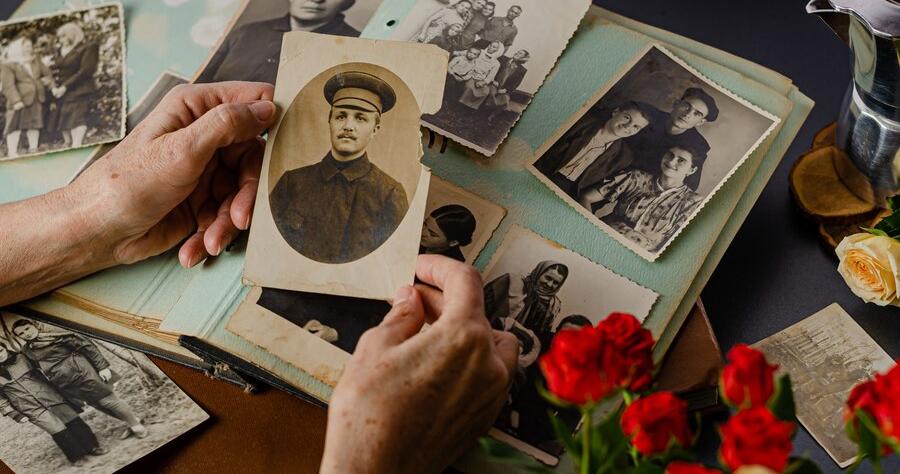
After mastering the art of crafting compelling interviews, incorporating visual aids such as photographs and home movies will further enhance the storytelling of your family's history. By utilizing a combination of visual materials, you're not just telling a story; you're showing it. This method allows you to capture stories in a way that words alone cannot, providing a richer, more emotive connection to your family's past.
| Visual Aid Type | Purpose | Impact on Storytelling |
|---|---|---|
| Photographs | Capture moments in time, providing a snapshot of life. | Evoke emotions and personalize history. |
| Home Movies | Record family events, traditions, and daily life. | Offer a dynamic glimpse into the past, adding authenticity. |
| Documents | Showcase historical records, letters, and artifacts. | Provide context and evidence of family ties and events. |
| Artifacts | Include physical items with sentimental or historical value. | Connect present to past through tangible items. |
| Maps | Illustrate ancestral locations and migrations. | Offer geographical context to family stories. |
Incorporating these visual aids into your video will not only preserve family history for future generations but also share family memories in an engaging and memorable way. You're ensuring that the essence of your family's traditions and experiences is captured for posterity, making it a priceless gift to those who come after.
Optimizing Storage Conditions
Ensuring your family's audiovisual memories are stored properly is crucial to preserving these irreplaceable treasures for future generations. The parts of your family's history captured in videos of family events and stories are vulnerable to degradation if not stored under optimal conditions. Moderate temperatures are key; too hot or too cold can damage the tapes, affecting the historical stories they contain. Keep these precious recordings safe from dust and handle them as little as possible, avoiding the playing surfaces to prevent wear and tear.
For the best protection, invest in archival-quality materials specifically designed for storing and shipping electronic media. This precaution helps safeguard the tales of generations of family members, ensuring they'll be around for more stories to share.
Furthermore, digitizing your family's videocassettes or discs is a forward-thinking step. It not only preserves the content but also simplifies sharing these stories with family near and far.
Digitizing for Longevity
While transitioning your family's cherished memories to a digital format, it's essential to use a lapel mic for superior audio quality, particularly when your phone's built-in microphone falls short. This ensures every detail of your family's history, from the laughter to the soft whispers of stories untold, is captured with clarity.
Digitizing for longevity isn't just about preserving; it's about enhancing accessibility and sharing. By backing up your clips on your desktop, a physical drive, or the cloud, you're not only safeguarding these memories but also making them easily shareable with family members across the globe via social media or email.
To maintain the integrity of these digital treasures, it's crucial to check the health of your hard drives regularly. Data degradation is a silent enemy of digital archives. Consulting resources like the Library of Congress or a local historical society can provide valuable guidelines on digital preservation.
Moreover, involving a nonprofit organization specializing in digitizing historical events can offer professional insights and assistance, ensuring your family's legacy is preserved according to the best standards. This proactive approach guarantees that future generations can witness and cherish these moments just as vividly as if they were there.
Order Digital Conversion Today
ORDER TODAYFrequently Asked Questions
What Is the Best Way to Save Family Videos?
To save family videos, digitize them for cloud storage and create video backups. Organize clips with editing software, use sharing platforms with privacy settings, and consider legacy planning to ensure their long-term preservation.
What Is the Best Way to Record Family History?
To best record family history , dive into oral traditions and genealogy research. Use digital storytelling, incorporating personal diaries, archival materials, and community interviews. Create interactive timelines and include cultural artifacts for a comprehensive family narrative.
How Can I Preserve My Family History?
To preserve your family history , interview elders, compile photo albums, and engage in digital scrapbooking. Utilize genealogy websites, create memory boxes, encourage oral storytelling, distribute family newsletters, and gather historic documents for a comprehensive legacy archive.
How Do I Record a Family Video?
To immortalize your family's legacy, start by choosing the right equipment. Ensure scenes are well-lit, sound quality is crisp, and engaging storytelling angles are used. Master editing basics and share your masterpiece across various platforms.
Preserve Family History With Videotape Concluding Remarks
In wrapping up, you've navigated the past using modern marvels, blending the old with the new in preserving your family's history. With the right gear, you've captured stories that otherwise might fade, ensuring they endure in vivid detail.
By digitizing memories, you're not just storing data; you're safeguarding your heritage for future generations. It's a meticulous journey but immensely rewarding as you stitch together the fabric of your family's legacy, ensuring it withstands the test of time.