
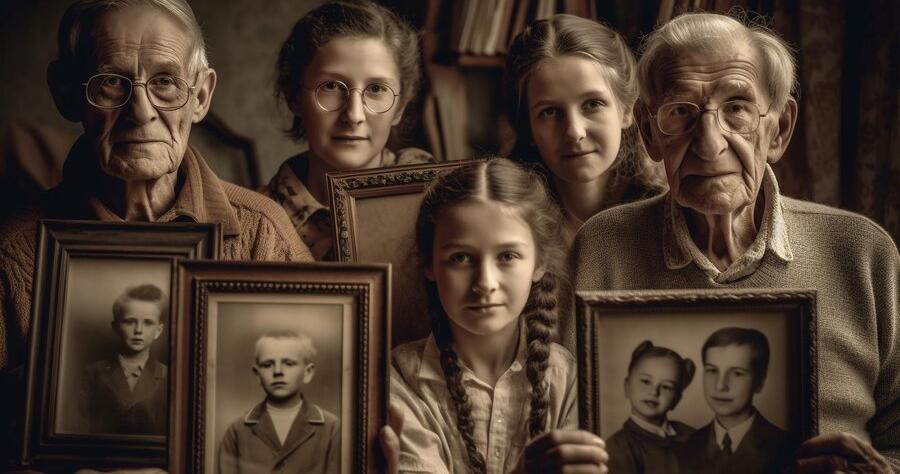
7 Simple Steps to Safeguard Your Family Memories
Imagine you've just stumbled upon a box of old videotapes in your attic, each one filled with precious moments from your family's past yet unwatchable because you no longer own a VCR . You're not alone in facing the challenge of preserving these irreplaceable treasures.
In today's digital age, safeguarding your family memories goes beyond simply keeping physical mementos safe; it requires a blend of creativity and technology. From digitizing old tapes to organizing digital archives and even conducting family interviews, there are simple steps you can take to ensure these memories are not only preserved but also accessible for future generations.
As we explore these strategies, you'll discover not just how to protect these invaluable assets but also how to breathe new life into them, ensuring your family's legacy thrives for years to come.
Key Takeaways
Digitizing and preserving family memories is important to protect them from the effects of time and the elements.
Establishing a regular backup schedule and utilizing multiple storage solutions, such as cloud services and external hard drives, ensures the safety and accessibility of digital archives.
Conducting family interviews and creating a family documentary are effective ways to preserve personal histories and strengthen family bonds.
Tape restoration and preservation involve assessing damage, prioritizing restoration based on value, digitizing restored tapes, and storing them in a cool, dry, and stable environment.
Digitize Videotapes
To preserve your cherished family memories, you can start by digitizing videotapes using various methods such as smartphone apps, scanning machines, or professional services. This process allows you to convert those old films into digital copies, ensuring they're safe from the ravages of time and the elements.
With a smartphone app or scanning machine, you can digitize individual videos or tackle larger volumes right from the comfort of your home. This methodical approach puts you in control, allowing you to work at your own pace.
If you're aiming for high-quality digitization, consider sending your tapes to a professional service. These experts specialize in transforming VHS tapes into pristine digital versions using a VHS player and a USB-to-video converter. These services not only digitize videotapes but also ensure your digital copies are delivered with care, preserving the quality and integrity of your memories.
Organize Digital Archives
To ensure your family memories are preserved for generations, it's crucial to choose reliable storage solutions.
You'll want to establish a regular backup schedule and use multiple cloud services for an added layer of security.
This methodical approach guarantees that your digital archives remain safe and easily accessible.
Choose Reliable Storage Solutions
Selecting reliable storage solutions is crucial when organizing your digital archives, as it ensures the longevity and accessibility of your cherished family memories. Embrace the freedom of choice, selecting platforms that resonate with your need for security and ease.
| Storage Type | Benefit |
|---|---|
| Cloud Services | Access anywhere, like Google Drive |
| External Hard Drives | Local, tangible backup option |
| Professional Digitization | Preserve physical media |
| Archival-Quality Materials | Protect old photos, documents |
Invest in services and products that safeguard your family archives, turning every photo album into a testament of your family's journey. Regularly check the health of your chosen storage solutions, ensuring every memory remains vibrant and accessible, embodying the essence of freedom in preservation.
Regular Backup Schedules
Establishing a regular backup schedule is essential for safeguarding your digital archives from potential loss. To preserve family memories and old photos, it's crucial to set a routine that ensures your digital files are secure.
For convenience and peace of mind, utilize automatic backup services like iCloud, Google Drive, or Dropbox. These platforms can automatically save your treasures without you having to remember them.
Additionally, consider setting reminders to maintain consistent backup maintenance. For extra security, opt for storing backups on external hard drives or cloud-based storage options.
Regularly review and update your backup strategy to include new files and adapt to any changes. This methodical approach guarantees that your cherished memories are protected for years to come.
Conduct Family Interviews
Begin by preparing a comprehensive list of questions tailored to each family member, aiming to capture their unique memories and experiences. This step is crucial for delving into the rich tapestry of your family's history. Take the time to consider what you want to learn from each person.
For older relatives, focus on questions that prompt reflections on their youth, significant life events, or the family stories they've carried through the years.
Once your questions are ready, use a recording device or smartphone app to capture the interviews easily. This method not only ensures clarity but also preserves the emotions and nuances of their voices. Tailor the questions to each family member to encourage meaningful stories and reflections. This personalized approach often leads to the discovery of previously untold tales and insights.
After recording, organize the interviews by family member and topic for easy access and sharing. This systematic organization will be invaluable for current and future generations seeking a connection with their roots.
Conducting family interviews is more than just recording conversations; it's about preserving personal histories and strengthening the bonds that tie your family together.
Craft a Family Documentary
After conducting thorough interviews with your family members, the next step is to craft a family documentary, weaving together oral histories, cherished photographs, and vintage films for a comprehensive narrative. This endeavor not only preserves your family's stories but also brings them to life in a way that photos and oral accounts alone cannot.
To make your family documentary both engaging and memorable, consider these steps:
-
Compile Interviews: Gather your family interviews, focusing on the stories that best represent your family's history and character. These oral histories are the backbone of your documentary.
-
Incorporate Visuals: Mix in old photos, films, and home movies. These visuals add depth to the stories, making the past tangible.
-
Narrate the Journey: Use narration to provide context and connect the dots between different stories and visuals. This helps viewers understand the significance of each moment.
-
Edit for Cohesion: Finally, utilize editing software to stitch everything into a cohesive and engaging narrative. This step transforms your collection of interviews, photos, and films into a polished documentary.
Creating a family documentary is a beautiful way to safeguard your family's legacy, offering a treasure trove of memories that future generations will cherish.
Restore Damaged Tapes
To safeguard your family memories stored on tapes, you'll first need to assess the type of damage they've suffered. This could include physical breakage, mold, or deterioration. Once you've identified the issues, you can choose the most suitable restoration method. It is important to prioritize tapes based on their sentimental or historical value.
After the restoration process, it is crucial to ensure the long-term preservation of the tapes. The best way to do this is by digitizing the tapes. This will allow you to create digital copies that can be easily accessed and preserved.
To further protect the tapes, store them in a cool, dry, and stable environment. Extreme temperatures and humidity can damage the tapes over time, so it is best to avoid storing them in basements or attics. Use archival-quality storage containers or boxes to keep the tapes safe from dust and other contaminants.
Identifying Tape Damage
When you're looking to restore damaged tape, the first step is identifying the signs of tape damage, such as wrinkles, creases, or mold. Preserving your old memories is crucial, and spotting these issues early can save you a lot of trouble. Here's what you should look for:
Physical Damage: Wrinkles, creases, tears, or mold on the tape itself are clear indicators.
Playback Issues: Any audio or visual distortion while playing the tapes suggests internal damage.
Reel and Splice Condition: Check the tape reels and splices for wear or breakage.
Housing Integrity: Examine the tape housing for cracks, warping, or deterioration.
Don't hesitate to consult a professional if the damage seems beyond simple home remedies. Your memories deserve the freedom to be preserved and cherished.
Choosing Restoration Methods
Having identified the signs of tape damage, it's crucial to now focus on selecting the most effective restoration methods to ensure your memories are preserved safely. Begin by assessing the extent of damage. For tapes that are severely damaged or delicate, consider enlisting professional restoration services. They've got the expertise to breathe new life into your cherished family photos and the stories behind them.
If the damage is manageable, you can try digitizing VHS tapes yourself using a VHS player and a USB-to-video converter. For individual photo restoration, there's a range of smartphone apps and scanning machines at your disposal.
Once digitized, remember to store copies in multiple secure locations. This step is paramount in safeguarding your family's legacy against future loss.
Preservation After Restoration
After successfully restoring your damaged tapes, it's crucial to implement proper preservation techniques to protect these revitalized memories from future harm. These steps will help you preserve your family memories, ensuring they remain cherished family heirlooms for future generations.
-
Proper Storage: To prevent further damage, store your tapes in a cool, dry place away from direct sunlight.
-
Digital Backups: Create digital copies of your tapes. This not only secures the content but also makes it easier to share with family.
-
Regular Handling Checks: Periodically check the condition of your tapes and digital backups to ensure they remain in good shape.
-
Share and Educate: Teach family members about the importance of preservation and encourage them to contribute to safeguarding these precious memories for generations to come.
Share Memories Online
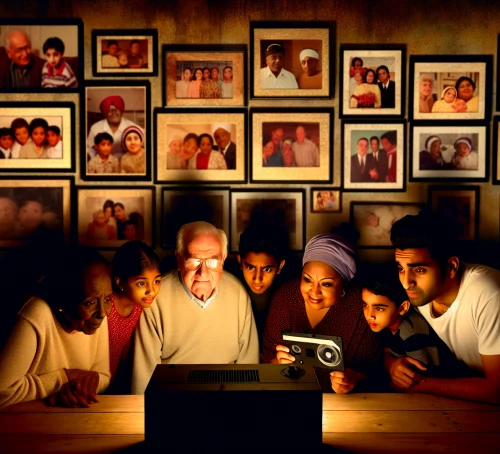
Sharing your family's memories online offers a convenient and secure way to preserve these precious moments for generations to come. In this digital age, you've got the freedom to choose from a plethora of platforms, but social media stands out as a particularly vibrant space to share and celebrate these memories. It allows you to connect with loved ones, near and far, fostering a sense of community and shared history.
Before you upload, consider using PhotoScan, a free app designed to digitize your old photos easily. By transforming physical snapshots into high-quality digital formats, you're safeguarding them against physical deterioration and making them ready for online sharing.
When posting on social media, create dedicated albums for different events or periods. This methodical approach not only organizes your memories for easy access but also invites your family and friends to revisit these moments, comment, and perhaps share their own related memories.
Create Backup Copies
Once you've digitized and shared your cherished family memories online, it's crucial to create backup copies to safeguard against loss or damage. Ensuring the longevity of your photos and documents is paramount to maintaining your family tree for generations to come.
Here's how you can protect your digital legacies:
-
Utilize Multiple Storage Solutions: Don't put all your digital eggs in one basket. Store your files in at least three places. This could be on your computer, an external hard drive, or a cloud service. This redundancy ensures that if one fails, you've got alternatives.
-
Regular Health Checks: Make it a habit to check the health of your physical storage devices, like hard drives, regularly. This proactive step can prevent unexpected data loss.
-
Share with Family: Use a free app or platform to share these digital memories with your family members. Not only does this deepen familial bonds, but it also ensures that someone else has a copy of these precious moments.
-
Community Contribution: Consider contributing copies of your personal and family records to local museums or historical societies. This act not only preserves your family's legacy but also enriches your community's collective memory.
Frequently Asked Questions
How Do You Organize Family Memories?
To organize family memories, start by categorizing them into memory themes. Then, arrange these memories along event timelines, enhancing them through digital scrapbooking. This methodical approach ensures you're preserving those precious moments with freedom and creativity.
What Is the Best Way to Preserve Family Photos?
To best preserve family photos, don't worry about space; use photo scanning services. Store them in acid-free albums and keep in climate-controlled storage. This methodical approach ensures your memories last, granting you peace of mind.
What Is the Best Way to Save Your Memories?
To effectively save your memories, consider memory digitization, creating personal blogs, and engaging in oral storytelling. These methods offer the freedom to preserve, organize, and cherish your moments in a detailed, accessible, and personal way.
Where Do You Store Family Memories?
You'll store family memories in cloud storage options, physical storage solutions, and memory-sharing platforms, methodically organizing them to ensure they're secure yet accessible. This will allow you to relive and share those precious moments anytime.
Safeguard Your Family Memories Concluding Remarks
You've just become the ultimate guardian of your family's treasure trove of memories! By digitizing those ancient videotapes, you've rescued your grandparents' wedding from oblivion.
Your digital archives are more organized than a librarian's dream. Those family interviews are practically gold mines of laughter and tears. And that family documentary? Spielberg's got nothing on you. Restoring damaged tapes was like bringing dinosaurs back to life.
Sharing online? You've gone viral in the family chat. And those backups? Let's just say even the apocalypse can't touch your memories now.
You, my friend, have nailed it.