
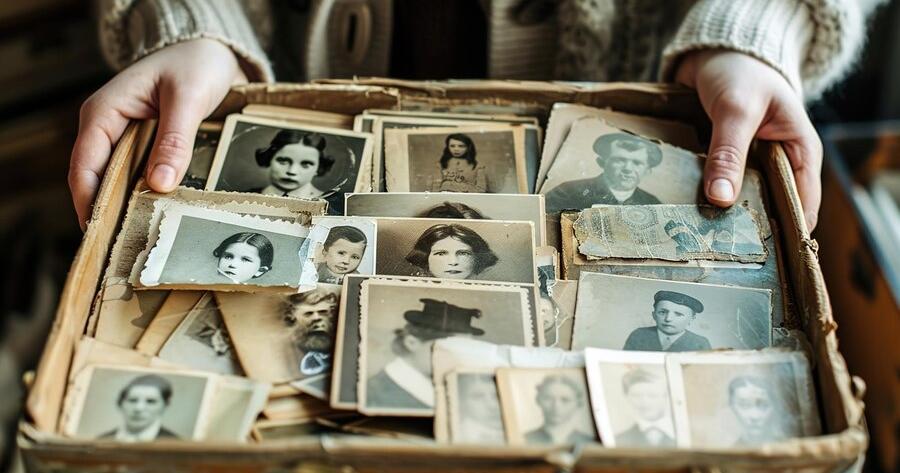
9 Best Ways to Safeguard Family Heritage Through Videotape Preservation
Have you ever stopped to consider how fragile the threads that connect us to our past are? In a world where technology evolves at breakneck speed, the videotapes that hold your family's most precious moments risk becoming unreadable relics of a bygone era.
As a professional guiding you through this process, I'll walk you through the nine best ways to safeguard your family heritage through videotape preservation. You'll learn not only how to begin the preservation process as soon as possible but also how to emotionally prepare for the journey of sifting through family documents and artifacts.
Together, we'll explore how to curate, restore, and digitize these irreplaceable memories. By the end of our exploration, you'll have a clear understanding of how to protect these precious memories from the ravages of time, ensuring that future generations can share in the rich tapestry of your family's history.
But there's much more to it than just transferring old footage to a digital format.
Key Takeaways
Storing videotapes in a cool, dry, and dark environment is essential for slowing down degradation and extending their life.
Organizing and maintaining videotape collections through labeling, categorizing, and regular cleaning helps prevent damage and ensures easy access.
Digitizing videotapes offers a way to protect and preserve cherished memories, and researching reliable conversion services is crucial for quality results.
Implementing a robust backup system, regularly checking storage device health, and staying informed about digital preservation techniques are key for storing and updating digital copies.
Understanding Videotape Degradation
To preserve your family's cherished memories, it's crucial to understand that videotapes degrade over time due to factors like physical wear, magnetic fields, and environmental conditions. This degradation isn't just a minor inconvenience; it's a serious threat to the visual and audio records of your family's history.
Humidity, temperature fluctuations, and exposure to sunlight are among the chief culprits that accelerate this process.
When you're considering how best to protect these irreplaceable snapshots of time, remember that the way you store and handle your videotapes plays a pivotal role in their longevity. Keeping them in a cool, dry place away from direct sunlight and magnetic sources can significantly slow down the degradation process. Additionally, it's wise to familiarize yourself with different formats and storage solutions that can offer better protection against the ravages of time.
Don't wait until it's too late. Regular inspection and digitization of your videotapes can prevent the permanent loss of content, ensuring that your family memories are preserved for future generations. By taking proactive steps now, you embrace the freedom to enjoy and share these precious moments without the shadow of videotape degradation looming over them.
Order Digital Conversion Today
ORDER TODAYChoosing the Right Storage Conditions
To ensure the longevity of your family's videotape heritage, you'll need to focus on optimal temperature control, humidity, and light management. Storing your tapes in a cool, dry, and dark environment protects them from the most common forms of degradation.
Implementing these conditions can markedly extend the life and quality of your precious memories.
Optimal Temperature Control
Ensuring your audiovisual treasures withstand the test of time hinges on storing them at moderate temperatures, away from the extremes that can hasten deterioration. Optimal temperature control is crucial for preserving family video recordings. Here's a simple guide to follow:
| Condition | Action |
|---|---|
| Moderate Temperature | Store in a consistently cool environment. |
| Dust Protection | Keep in dust-free containers or cabinets. |
| Handling | Avoid touching playing surfaces directly. |
Humidity and Light Management
After mastering the art of temperature control for your family's video archives, it's crucial to tackle humidity and light management to protect these irreplaceable memories further.
Strive for a balance in your home where these treasures are kept. Too much humidity can degrade your cherished home videos, while too little might cause materials to become brittle. Aim for a stable environment free from extreme fluctuations.
Likewise, safeguard your videos from exposure to bright or direct light, which can fade and damage them over time. When storing your family's visual history, utilize archival-quality materials designed for longevity.
This methodical approach ensures your family's legacy is preserved, granting you the freedom to relive those precious moments for generations to come.
Organizing Videotape Collections
Organizing your videotape collection requires a dedicated space where you can easily access and preserve these cherished memories. Start by creating a detailed inventory of your videotapes, noting down dates, events, and the people involved. This step is crucial for tracking and managing your collection efficiently, ensuring no part of your family history is lost or forgotten.
Next, label and categorize your videotapes based on themes, events, or family members. This organization method makes locating specific footage a breeze, allowing you to relive those precious moments anytime you desire.
But don't stop there—consider digitizing your collection. By converting your tapes into digital files, you safeguard them against the ravages of time. These digital versions can then be easily stored on cloud storage, offering both protection and the freedom to access your family history from anywhere in the world.
Cleaning and Maintaining Videotapes
To keep your videotape collection in optimal condition, it's crucial to regularly clean and maintain each tape with careful attention to detail. Cleaning and maintaining videotapes ensures your cherished home movies stand the test of time, avoiding the risk of damage that could render them unwatchable. Here's a methodical approach to keeping your tapes in top shape:
| Step | Task | Benefit |
|---|---|---|
| 1 | Clean with a soft, lint-free cloth | Removes dust and debris |
| 2 | Store in a cool, dry place | Prevents mold and magnetic damage |
| 3 | Rewind and fast forward annually | Keeps the tape from sticking |
| 4 | Use a tape head cleaner | Cleans built-up dirt from play devices |
| 5 | Transfer to digital format | Preserves content on an external hard drive |
Digitizing Your Videotapes
While ensuring your videotapes are clean and well-maintained is crucial, taking the next step to digitize them secures their legacy for generations. Digitizing your videotapes isn't just about preservation; it's about liberating your cherished memories from the confines of obsolescence and ensuring they continue to inspire freedom and connection for years to come.
To begin this process, here's what you'll need to consider:
-
Use the right equipment: A quality video capture device is essential. It acts as a bridge, allowing your analog tapes to communicate with your digital setup.
-
Choose your software wisely. Programs like Adobe Premiere offer robust editing and digitizing capabilities, ensuring the highest quality of your digital files.
-
Select appropriate storage: Once digitized, store your files on a computer, external hard drives, and in cloud services. This triple-layer backup strategy safeguards against data loss.
-
Share and educate: Distribute copies among family members and consider donating to relevant organizations. This will not only preserve but also breathe new life into your family's narrative.
Selecting a Conversion Service
If you're feeling overwhelmed by the prospect of digitizing your family's videotape collection, considering a professional conversion service might be your best bet. The right service can't only simplify the process but also ensure that your precious memories are safeguarded for future generations.
To start, research extensively to identify a conversion service with a robust track record of handling videos with care and precision. Look for reviews and testimonials to gauge their reliability and quality of work.
It's crucial to inquire about the specifics of their process. How do they handle and store your videos? What formats can they convert your tapes into, and how is the quality of the digital files ensured? Knowing these details upfront will give you peace of mind and ensure that your family's heritage is preserved in the best possible manner.
Additionally, consider the turnaround time and cost. While it's tempting to opt for the quickest or cheapest service, remember that the primary goal is to safeguard your memories without compromise. Select a conversion service that balances quality, cost, and efficiency, granting you the freedom to enjoy and share your digitized family memories without worry.
Storing Digital Copies Safely
Once you've digitized your family's memories, it's crucial to store the digital copies safely to ensure their longevity and accessibility for generations to come. Safeguarding your family heritage through videotape preservation isn't just about converting old tapes to digital formats; it's also about ensuring those digital treasures are stored securely and efficiently.
Here are some key strategies for storing digital copies safely:
-
Backup System: Implement a robust backup system that includes saving copies in at least three different locations, such as on your computer, an external hard drive, and a cloud service. This redundancy ensures that if one copy is lost or damaged, you have other copies to fall back on.
-
Regular Maintenance: Check the health of your hard drives regularly and ensure your cloud storage subscriptions are active. This proactive approach can prevent unexpected data losses.
-
Current Formats: Keep your digital files in current formats and on up-to-date storage media. This practice prevents obsolescence and makes sure your family heritage is accessible with modern technology.
-
Archival Quality: Use archival-quality materials and follow the Library of Congress guidelines for the safe care, handling, and storage of digital media. This ensures your digital copies remain in pristine condition for the future.
Sharing Memories With Family

After ensuring your family's memories are safely preserved, it's time to explore how you can share these cherished moments with relatives near and far. With old photos and videos now digitized, easy sharing becomes a reality, liberating you from the constraints of physical location and condition.
First, consider creating a digital family archive online. Platforms designed for photo and video sharing offer private, secure spaces where you can upload your precious memories. Invite family members to contribute, creating a collaborative, ever-growing collection. This method not only safeguards the memories but also fosters a sense of belonging and connection among relatives, regardless of distance.
For a more personal touch, consider crafting digital albums or slideshows. These can be themed around significant family events, milestones, or periods. Emailing links to these collections or using cloud-sharing services ensures everyone has access, and it's an excellent way to spark conversations and reminisce during family gatherings or virtual meet-ups.
Regularly Updating Digital Formats
As you venture into preserving your family's heritage, selecting the right digital formats is crucial to ensure longevity and accessibility.
You'll need to schedule conversion updates, ideally aligning them with the emergence of new technologies to maintain file compatibility.
Order Digital Conversion Today
ORDER TODAYChoosing the Right Digital Formats
To safeguard your family heritage against technological obsolescence, it's crucial to regularly update digital formats and transfer files to current storage media. Protecting the audio and video of your family's history requires methodical attention to detail and a proactive approach. Here's how you can ensure your digital formats remain accessible:
Regularly check and convert files to widely used digital formats to ensure compatibility with new technology.
Utilize dedicated scanners or smartphones for high-quality digitization of photos and documents.
Monitor the health of your storage devices to prevent data loss from failing hardware.
Seek professional advice for migrating to newer formats, ensuring your family's memories are preserved accurately.
Embracing these steps guarantees your family's history remains vivid and accessible for generations to come.
Scheduling Conversion Updates
Setting a schedule for conversion updates is essential in maintaining your family's digital archives' compatibility with modern technology. By regularly updating digital formats, you ensure that your cherished memories remain accessible to both current family members and future generations.
Keep abreast of advancements in digital preservation and conversion techniques. This involves scheduling periodic reviews of your digital files and formats for any necessary updates. Staying informed about best practices for digital preservation and conversion is crucial.
For complex or large-scale digitization projects, consider seeking professional assistance. This strategic approach to scheduling conversion updates guarantees that your family heritage is preserved in formats that will last, offering freedom from the worry of technological obsolescence.
Managing File Compatibility
Ensuring your family's digital heritage remains accessible amidst rapidly evolving technology requires regularly updating digital formats. As you delve into managing file compatibility, it's crucial to stay ahead of the curve to safeguard your precious memories for future generations.
Here's how:
-
Regularly check for new file formats and standards, keeping your archives current.
-
Transfer digital content to contemporary formats and media to dodge obsolescence.
-
Seek guidance from reputable sources like nonprofit organizations or the Library of Congress for best practices in digital preservation.
-
Consider enlisting professional assistance to update and manage your digital formats effectively.
Frequently Asked Questions
What Is the Best Way to Preserve Family Videos?
To preserve your family videos, start with digital conversion to safeguard against decay. Store them in climate-controlled environments and seek professional restoration for damaged tapes. This methodical approach ensures your memories are preserved for future generations.
What Is the Best Way to Record Family History?
To capture your family's epic saga, dive into oral storytelling, weaving tales that echo through generations. Embrace digital storytelling and heritage tours, meticulously chronicling each adventure. This method ensures your lineage's legacy freely thrives forever.
How Can You Preserve Family Records?
To preserve family records, you should digitize them for digital archiving. Store originals in climate-controlled environments and place photographs in acid-free albums. This methodical approach ensures your family's history remains accessible and intact for future generations.
What Is the Best Way to Preserve Family Photos?
To best preserve family photos, digitize them through digital scanning, store originals in climate-controlled environments, and organize them in photo albums. This methodical approach safeguards memories while giving you the freedom to access them anytime.
Order Digital Conversion Today
ORDER TODAYSafeguarding Family Heritage Through Videotape Preservation Summary
You've now mastered the art of preserving your family's heritage through videotape preservation. Remember, with every videotape you save, you're potentially rescuing thousands of memories.
Shockingly, over 75% of analog tapes are at risk of degradation. By digitizing and properly storing these irreplaceable moments, you're not just safeguarding your family's history, but you're also ensuring these memories live on for future generations.
Keep updating, sharing, and cherishing these treasures because they're the legacy you'll leave behind.