
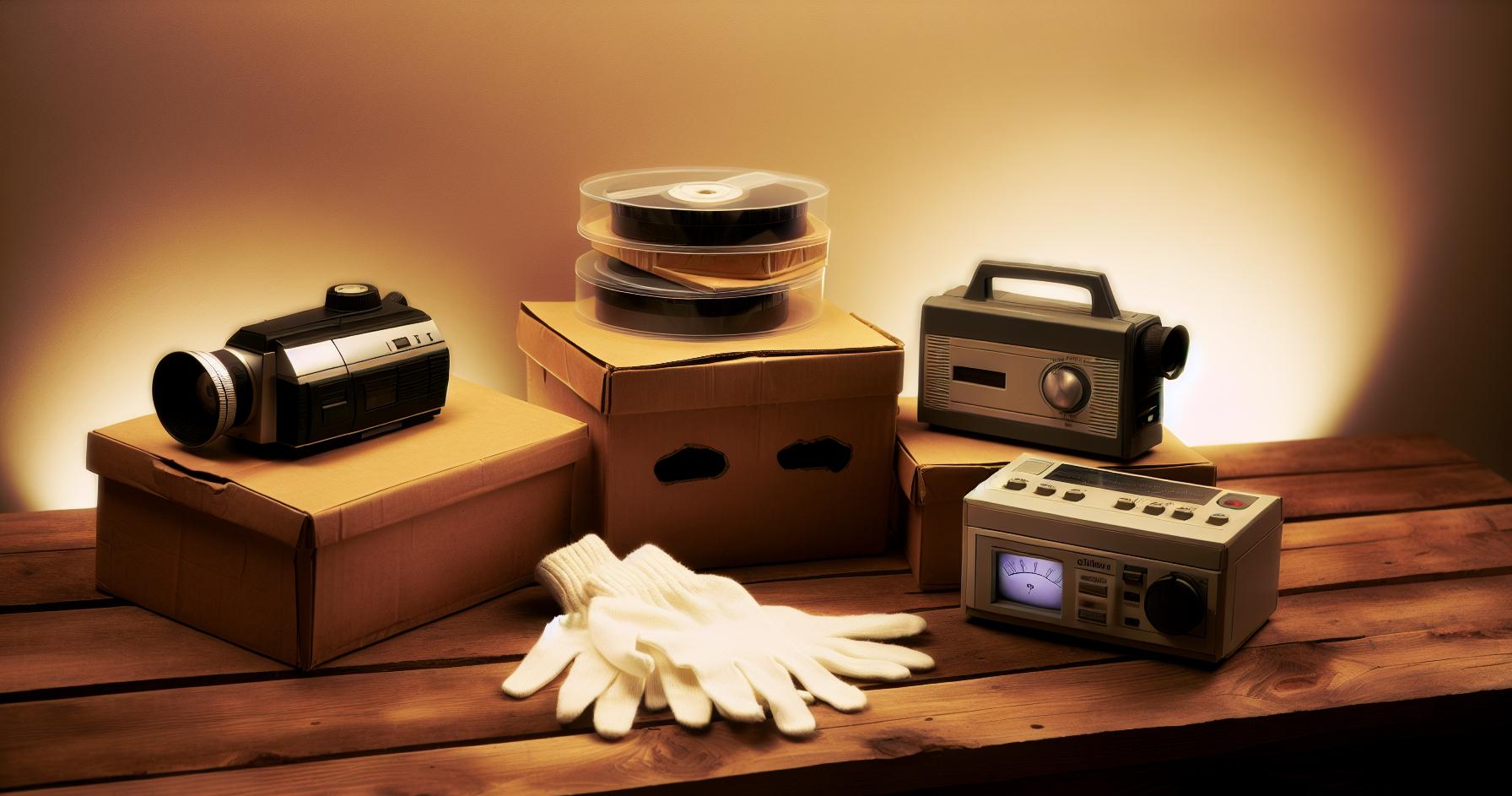
Ensuring Lasting Legacy: 6 Essential Videotape Preservation Tips
Just as you've stumbled across those old family videotapes in the attic, you're probably wondering how you can keep these memories alive for generations to come.
Preserving your videotapes isn't just about holding onto the past; it's about ensuring a legacy that withstands the test of time. You're in luck because six essential tips can help you safeguard these precious moments. From the ideal storage conditions to the nuances of digital conversion , each step is crucial.
However, knowing these tips is just the beginning. The real challenge lies in implementing them effectively to avoid irreversible damage.
So, let's explore how you can turn these preservation techniques into a lasting tribute to your family's history, ensuring that your memories are not only saved but celebrated.
Key Takeaways
Regularly inspect and assess the physical condition of videotapes to identify any damage, mold, or degradation.
Safely handle and store tapes in cool, dry environments to minimize wear and tear, prevent warping, and protect against electromagnetic fields.
Utilize appropriate methods and equipment for digital conversion of tapes to preserve and enhance the content for long-term storage.
Document and share digital archives, utilizing indexing and cataloging techniques, digital platforms, and interactive experiences to ensure the lasting legacy of videotapes.
Assessing Videotape Condition
To accurately assess the condition of your videotapes, start by inspecting them for any physical damage, mold, or signs of degradation. It's crucial to understand that tapes are vulnerable to temperature and humidity fluctuations. These factors can accelerate deterioration, making proper storage in a controlled environment essential for preserving memories. When examining tapes, check the casing, splices, and reel tension for any irregularities that could indicate deeper issues.
Playing the tapes is a key step in evaluating audio and video quality. This process reveals any immediate playback problems, which could stem from physical damage or environmental effects. Be on the lookout for symptoms of sticky shed syndrome or vinegar syndrome, both of which signal severe degradation.
If you're unsure about the condition of your tapes or how to address any issues you find, consulting with a professional archivist or conservator is wise. They possess the expertise to recommend the best path for cultural preservation, ensuring your tapes' historical significance isn't lost.
Order Digital Conversion Today
ORDER TODAYCleaning and Handling Techniques
To ensure the longevity of your videotapes, it's crucial to adopt proper tape cleaning methods. You'll need to handle them safely, avoiding direct contact with the tape itself and ensuring they're not exposed to harmful conditions.
Additionally, consider the storage environment meticulously. Keep tapes vertical in cool, dry conditions to prevent warping or damage.
Proper Tape Cleaning Methods
Ensuring the longevity of your videotapes requires meticulous cleaning and careful handling, which are essential steps in their preservation. Adopting best practices in tape maintenance is crucial to preserving your family's history and ensuring cherished memories remain intact.
Regularly inspect your tapes for debris and damage, employing proper cleaning methods to maintain their quality. This not only preserves your legacy but also prepares it for a potential digital legacy transition.
Store your tapes vertically, away from extreme conditions and electromagnetic fields, to prevent deterioration. By adhering to these guidelines, you're not just preserving family treasures; you're ensuring your legacy lives on for generations.
Safe Handling Practices
Building on meticulous cleaning methods, we'll now explore critical safe handling practices that further safeguard your videotapes from damage and wear.
After ensuring tapes are clean and any physical damage repaired, it's vital to handle them with care to minimize wear and tear. Store your tapes vertically in their boxes to avert warping or distortion, and avoid stacking them to prevent pressure damage.
Moreover, keeping magnetic tapes away from electromagnetic fields is crucial to preventing data loss. For long-term preservation, consider transferring your legacy to external hard drives or cloud storage, which mitigates risks related to humidity levels and temperature changes.
These practices aren't just about storage; they're about honoring your history and ensuring its future.
Storage Environment Considerations
After meticulously cleaning and handling your videotapes, it's crucial to consider the environment where they'll be stored to prevent deterioration.
Storage environment considerations must prioritize climate control to maintain low humidity and a stable temperature. Ideally, the relative humidity should be between 30% and 50%, and the temperature should be around 60 to 70 degrees Fahrenheit. This balance curtails mold growth and mitigates the risk posed by environmental factors.
Ensure the area is free from ultraviolet (UV) light exposure, which can degrade your tapes. Protect them from physical harm by storing them vertically in their cases, avoiding stacking, and keeping them away from electromagnetic fields.
This methodical approach to storage safeguards your videotapes, ensuring their longevity and preserving your freedom to enjoy and share your legacy.
Optimal Storage Solutions
To ensure your videotapes withstand the test of time, you'll need to prioritize their environmental conditions; a climate-controlled space maintains consistent humidity and temperature levels, mitigating the risk of tape degradation .
Implementing proper shelving techniques, such as storing tapes vertically and avoiding piling them atop one another, optimizes space while minimizing physical stress on the tapes.
Moreover, safeguarding your collection from magnetic interference by maintaining a safe distance from electromagnetic fields is crucial to preserve the integrity of the tapes' data.
Climate-Controlled Environments Essential
Ensuring the longevity of your videotapes requires a climate-controlled environment. Maintaining stable, low temperatures and appropriate humidity levels is critical for optimal preservation. To preserve your family's cultural heritage and ensure that your legacy has a lasting impact, it's important to shield these precious items from flooding, air pollutants, and sunlight.
Aiming for a temperature range between 55 and 70 degrees Fahrenheit and relative humidity of 30 to 55% is essential. Storing your tapes in such conditions requires careful planning and specialized techniques, making them accessible to future generations.
Order Digital Conversion Today
ORDER TODAYProper Shelving Techniques
Selecting the right shelving techniques significantly impacts the longevity of your videotapes, with acid-free storage containers and vertical positioning in boxes being pivotal for optimal preservation. To ensure that our legacy remains vivid for future generations, it's important to consider these steps:
Use acid-free containers to prevent chemical damage.
Store tapes vertically to avoid warping.
Keep tapes away from electromagnetic fields to prevent data loss.
Place in areas with low temperature and humidity for stability.
Protect from direct sunlight, flooding, and pollutants for overall safety.
These proper shelving techniques play a crucial role in preserving your family legacy.
Videotape preservation tips like these allow you to create a lasting legacy, ensuring your cherished moments stand the test of time.
Avoiding Magnetic Interference
After addressing proper shelving techniques, it's crucial to discuss how avoiding magnetic interference provides another layer of protection for your videotapes. Magnetic interference can degrade the quality of your digital memories, hindering the ability to preserve a tangible connection to your family's legacy for future generations. Methodically storing tapes away from electromagnetic fields is essential in safeguarding these physical artifacts.
| Strategy | Purpose | Benefit |
|---|---|---|
| Store Vertically | Prevents warping and distortion | Ensures longevity and playback quality |
| Avoid Electromagnetic Fields | Protects against interference and degradation | Preserves the integrity of recorded oral histories |
| Use Original Boxes | Shields from dust and light | Maintains physical condition |
| Do Not Stack | Prevents pressure damage | Avoids distortion, preserving the legacy |
| Keep Away from VCR | Reduces risk from heat/moisture | Enhances preservation efforts |
Adhering to these guidelines solidifies the foundation for a lasting legacy, ensuring your efforts in preservation remain impactful.
Digital Conversion Methods
To effectively convert your cherished analog home videos to digital formats, you'll need to familiarize yourself with the various equipment and methods tailored for VHS tapes , 8mm films , and DVDs. Digital conversion methods require different tools and techniques, each designed to secure a lasting digital copy of your stories and memories. This involves converting your footage using the right equipment, ensuring easy sharing, and providing a sense of freedom, as you'll no longer be tied to obsolete playback devices.
-
VHS Tapes: Use a VCR coupled with a digital video converter. This setup captures the analog signal and converts it into a digital format.
-
8mm Films: Employ a film projector and camcorder or a specialized film-to-digital converter. This process requires projecting the film onto a surface and recording it in a digital format.
-
DVDs: A computer with a DVD drive is essential. Simply rip the content from the DVD to your computer for digital storage.
-
Storage Solutions: After conversion , store your digital files on a computer, external hard drive, or cloud service.
-
Video Editing Software: To enhance your digitized videos, use video editing software to improve image quality and edit content.
These steps will help individuals find the right digital conversion methods, ensuring their analog memories are preserved for easy sharing and enjoyment, providing a sense of freedom and security.
Regular Playback and Maintenance
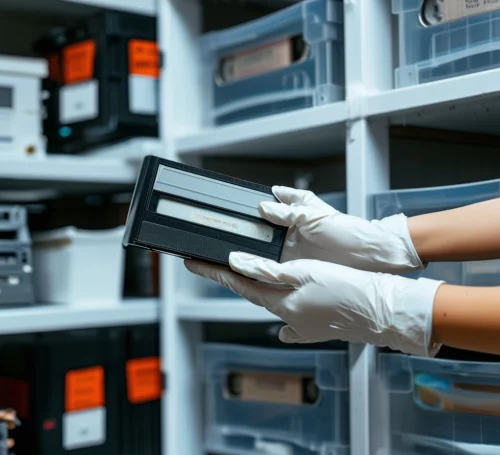
Having explored the equipment and methods for converting your analog videos to digital, it's equally crucial to address the ongoing playback and maintenance of your original videotapes to ensure their longevity and quality. Regularly playing back your tapes can prevent deterioration from disuse, a step that requires specific attention. This practice plays a significant role in the videotape preservation process, helping to maintain the quality of your precious memories.
To ensure your tapes stay in the best condition, clean your playback equipment like VCRs and camcorders. This careful attention ensures proper functioning and contributes to the preservation of your tapes. Additionally, storing your tapes in a cool, dry, and stable environment away from magnetic fields will help you avoid worrying about data loss and degradation.
Rotating stored tapes to avoid pressure on specific areas prevents warping, promoting tape longevity. This methodical approach to maintenance isn't only analytical but also a powerful tool that helps individuals ensure the Importance of Preserving their analog legacies. It's about giving you the autonomy to contribute to the preservation of your history, a task that requires dedication and a systematic plan.
Legacy Documentation and Sharing
Once you've ensured the preservation of your videotapes, it's crucial to consider how you'll document and share this legacy, turning your analog memories into accessible digital stories. Legacy documentation and sharing are about more than just preserving tapes; it's about keeping the essence of our family history alive, ensuring a connection to our roots for generations to come.
To engage effectively in this process, consider the following strategies:
-
Catalog and Index: Create a detailed catalog of your digital archives, noting the date, people involved, and a brief description. This methodical approach aids in easy retrieval and helps tell the story of your family's journey.
-
Digital Platforms: Utilize today's digital age to your advantage by sharing these cultural artifacts on dedicated family websites or secure cloud storage. This ensures accessibility and a sense of belonging among family members spread across the globe.
-
Interactive Media: Transform static memories into interactive experiences by curating digital albums or videos with narratives that engage viewers and encourage them to explore further.
-
Public Archives: Consider donating copies of significant cultural or historical tapes to public archives, which will contribute to collective memory and cultural preservation.
-
Family Gatherings: Use these digitized memories to spark conversations at family gatherings , fostering a deeper connection and understanding among different generations.
Frequently Asked Questions
What Is the Best Way to Preserve VHS Tapes?
To best preserve your VHS tapes , focus on optimal storage conditions—humidity control, temperature regulation, and a dust-free environment. Play them regularly, convert them to digital, protect them from magnetic fields, handle them carefully, and use archival sleeves.
What Is the Lifespan of a VHS Tape?
A VHS tape's lifespan, like a delicate flower in harsh weather, is battered by magnetic decay, humidity, and temperature fluctuations. Storage conditions, playback wear, and handling practices further influence its endurance against time's relentless march.
How Do You Preserve a Video?
To preserve a video, you'll need to focus on climate control, moisture avoidance, and dust prevention. Use archival storage containers, adopt proper handling practices, and consider digital conversion . Implement a labeling system and repair tapes as necessary.
What Is the Best Way to Preserve Digital Videos?
To best preserve digital videos, think of them as treasures in a vault. Use cloud storage and external hard drives for data redundancy, regularly back up files, and ensure encryption for secure, lasting access.
Order Digital Conversion Today
ORDER TODAYEnsuring Lasting Legacy For Videotape Preservation Final Remarks
In wrapping up, you've now got the keys to ensure your videotapes don't just fade into oblivion. It's like you're a time traveler, securing memories for future generations to marvel at.
By judiciously assessing your tapes, keeping them clean, storing them smartly, converting them digitally, maintaining their playback, and documenting their legacy, you're not just preserving videos; you're safeguarding history.
Remember, these steps aren't just chores; they're your bridge to the past, built with care and precision. Keep at it, and your legacy will shine on.