
Journey Through Time: Unveiling Family Legacy on Videotape
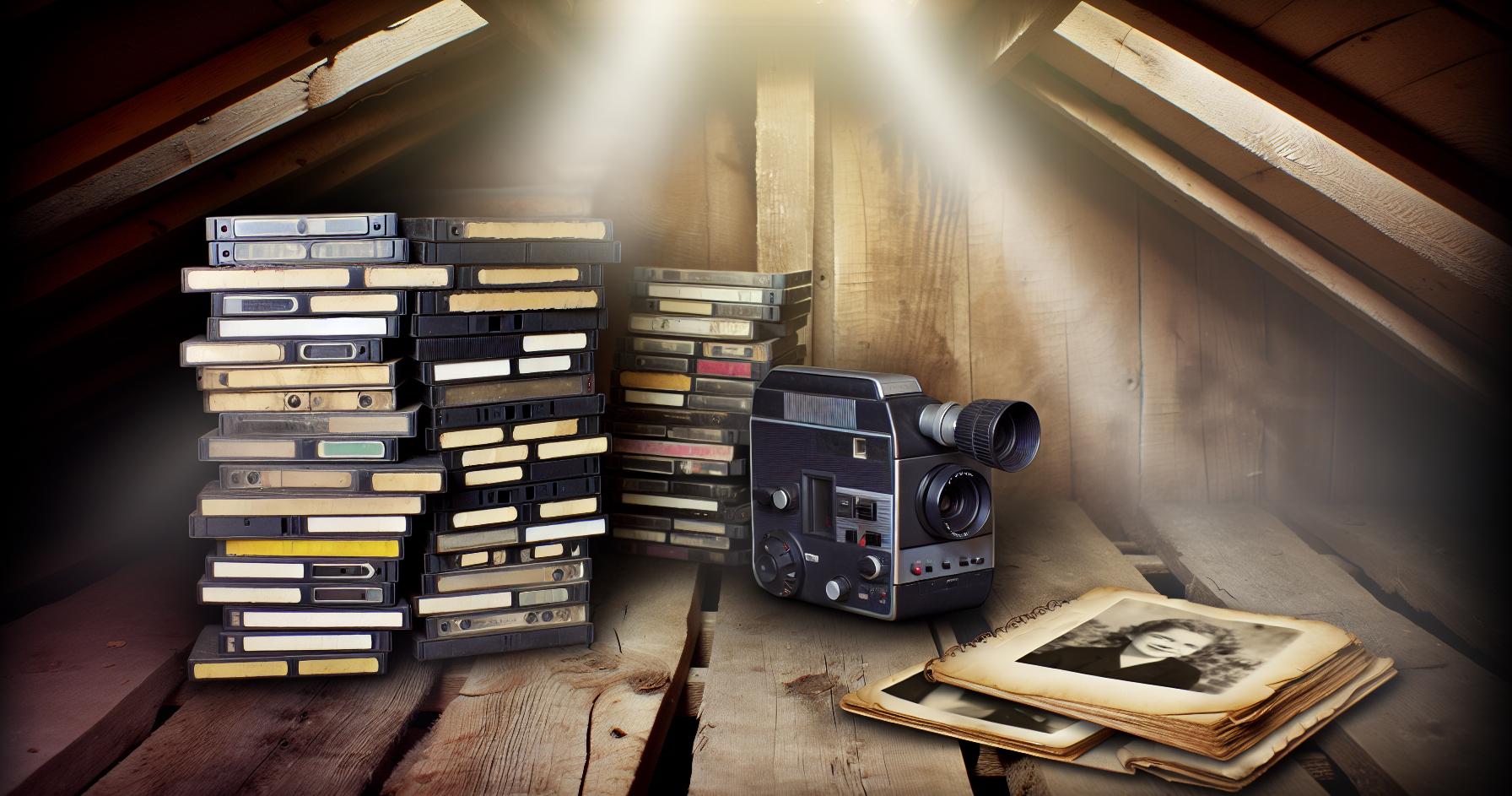
Isn't it curious how sometimes you stumble upon an old videotape in the attic just when you're beginning to question your roots? You're not alone in this journey. Many have discovered that these dusty tapes hold more than just forgotten birthday parties and holiday gatherings; they contain the essence of a family's legacy.
As you ponder over the grainy footage, you might find yourself embarking on a voyage similar to Jason Sudeikis', unraveling the threads of your own family's past. Through the evolution of videotape technology, from its origins to the digital age, there's a rich tapestry of personal history waiting to be uncovered.
The transformation of memories from reel to cassette and eventually to digital formats has not only preserved these moments but also shaped the way we connect with our lineage. Let's explore how these visual time capsules offer a unique lens through which we can understand our forebears and, perhaps, discover something unexpected about ourselves.
Key Takeaways
Videotape technology revolutionized the capture and sharing of information, empowering individuals to document their personal stories and milestones.
The transition from reel to cassette formats brought about increased accessibility, affordability, and simplified DIY editing processes, making it easier to store and preserve memories.
Digitizing analog videotapes through scanning and restoration allows for the preservation of family legacies in digital formats, ensuring future generations can relive and cherish these memories.
The future of videotape legacy lies in its durability, accessibility, interactivity, and global sharing capabilities, democratizing history and enabling collaborative storytelling.
Origins of Videotape Technology
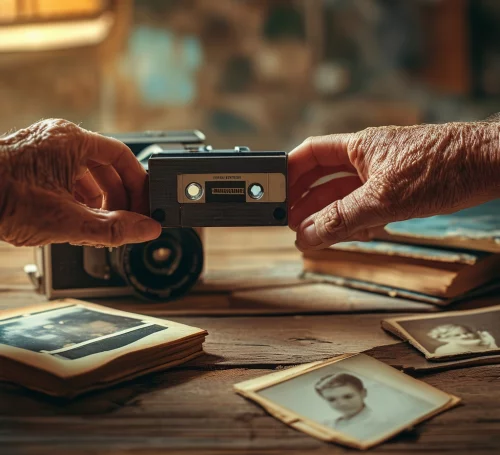
Turning our focus to the origins of videotape technology, it's important to understand that this innovation didn't spring from a vacuum but was the result of decades of scientific research and engineering experimentation.
As you delve deeper, you'll discover that the quest for recording and replaying reality began far from the bustling streets of New York City, yet its impact was profoundly felt in these urban landscapes.
The journey began with magnetic tape, a concept that evolved through meticulous trial and error. Engineers and scientists, motivated by the desire for progress, pushed the boundaries of what was technically possible. They weren't merely creating a new gadget; they were unlocking a form of freedom.
The freedom to capture moments, democratize information, and share across distances was revolutionary.
This wasn't an overnight success. The path to developing the videotape was paved with challenges, from understanding magnetic properties to creating durable materials that could record quality images and sounds. Each step was a calculated move towards a future where information and entertainment could be consumed at will, a testament to human ingenuity and the relentless pursuit of freedom.
The Rise of Home Video
As we explore the journey from the foundational technology of magnetic tape, it's crucial to recognize how this innovation paved the way for the rise of home video, revolutionizing how families preserved and shared their legacies. This shift wasn't just about technology; it was about granting people the freedom to document their lives on their own terms. Suddenly, capturing a Saturday Night dinner or a holiday gathering wasn't constrained to static photographs or the memories in one's mind.
Consider these three pivotal moments that magnetic tape and home video brought into our living rooms:
-
The ability to replay life's milestones: From birthdays to first steps, families could now relive their happiest moments with a press of a button.
-
Freedom of expression: People weren't just passive consumers of media anymore. They became creators, directors, and stars of their own stories, filming everything from casual family gatherings to elaborate skits.
-
Connecting generations: Home videos became time capsules, allowing future generations to witness their ancestors' lives firsthand, not just through stories or faded photographs.
This technological evolution wasn't merely about convenience; it was a paradigm shift in how we capture, cherish, and understand our personal histories.
Order Digital Conversion Today
ORDER TODAYTransitioning Formats: From Reel to Cassette
The shift from reel to cassette marked a significant milestone in the evolution of home video, offering families a more user-friendly and accessible way to preserve their memories. This transition wasn't just about moving from bulky equipment to more compact forms; it symbolized a leap towards democratizing the recording of personal histories, empowering individuals to document their stories with greater ease and flexibility.
| Reel Era | Cassette Era |
|---|---|
| Bulky equipment requiring technical know-how | Compact, user-friendly devices |
| Limited accessibility for the average family | Increased accessibility, promoting widespread use |
| High costs associated with equipment and maintenance | More affordable options, reducing barriers to entry |
| Professional intervention is often needed for editing | Simplified DIY editing processes |
| Storage and preservation challenges due to size | Easier storage and better longevity |
This transition took place over two years, gradually phasing out the older technology as more families embraced the cassette format. This period was marked by a significant learning curve as people adapted to new ways of capturing and preserving their family legacies. The move to cassettes not only made it easier for families to recount their histories but also paved the way for future innovations in personal video recording and storytelling.
Digitizing the Analog: Preserving Memories
In an era dominated by rapid technological advancements, digitizing analog videotapes emerges as a critical step in safeguarding family legacies against the ravages of time. You're at a crossroads where embracing the digital realm offers a lifeline to your cherished memories. By deciding to digitize, you're not merely preserving moments; you're ensuring that future generations can relive and cherish them as vividly as you have.
This process isn't just about transferring content; it's a meticulous act of love, a way to put together fragmented pieces of your family's story.
Consider these steps to visualize the transformation:
-
Scanning: Each frame of your videotape is carefully scanned, capturing the essence of times past with precision.
-
Restoration: The digital files are then cleaned and enhanced, breathing new life into visuals that might've faded over the years.
-
Archiving: Finally, these memories are securely stored in digital formats, easily accessible, and forever preserved from physical decay.
This methodical approach ensures that the laughter, tears, and milestones encapsulated in those tapes aren't just locked in a bygone era but are brought forward, ready to be experienced anew. By digitizing, you're not just keeping memories; you're giving them the freedom to be part of the present and future.
The Future of Videotape Legacy
Exploring the future of videotape legacy reveals a transformative journey from analog to digital, where your family's memories aren't just preserved but revitalized for generations to come. Your family's stories, some of which might be years old, are entering an era where their accessibility and longevity are significantly enhanced. This digital evolution ensures that the legacy crafted by individuals like Jason Sudeikis in discovering his roots is not lost to the fragility of physical media.
| Aspect | Analog Era | Digital Future |
|---|---|---|
| Durability | Degrades over time | Preserved indefinitely |
| Accessibility | Physical playback required | Accessible anywhere, anytime |
| Interactivity | Static viewing | Enhanced with metadata, editing |
| Sharing | Physically limited | Effortlessly global |
In this digital age, your family's narrative, encapsulating the trials, tribulations, and triumphs of ancestors who lived years old, can be seamlessly shared across the globe. This not only democratizes history, making it accessible to all family members regardless of their location, but also invites collaborative storytelling, where each person can contribute to the family's ongoing saga. This evolution from analog to digital doesn't just preserve memories; it breathes new life into them, ensuring they remain vibrant and meaningful for years to come.
Order Digital Conversion Today
ORDER TODAYFrequently Asked Questions
How Do You Film a Legacy Video?
To film a legacy video, you'll need to master storytelling techniques and focus on methodical, detailed analysis. Start by gathering captivating stories, then employ freedom-inspiring language to weave a narrative that honors your family's journey.
How Do You Uncover Family Secrets?
To uncover family secrets, dive into genealogy research like a detective on a quest for freedom, methodically analyzing records and interviews with a keen eye. It's a journey where every clue unravels another layer.
Unveiling Family Legacy on Videotape Final Thoughts
In the documentary's heart, Jason's odyssey through his family's past illustrates a universal truth: our roots run deep, shaping us in unseen ways.
Like turning a kaleidoscope, digitizing old tapes brings forgotten moments back to vibrant life, ensuring our ancestors' struggles and triumphs aren't lost to time's relentless march.
This methodical preservation acts as a bridge between generations, a testament to the enduring power of family legacy captured on the ever-evolving canvas of videotape.