
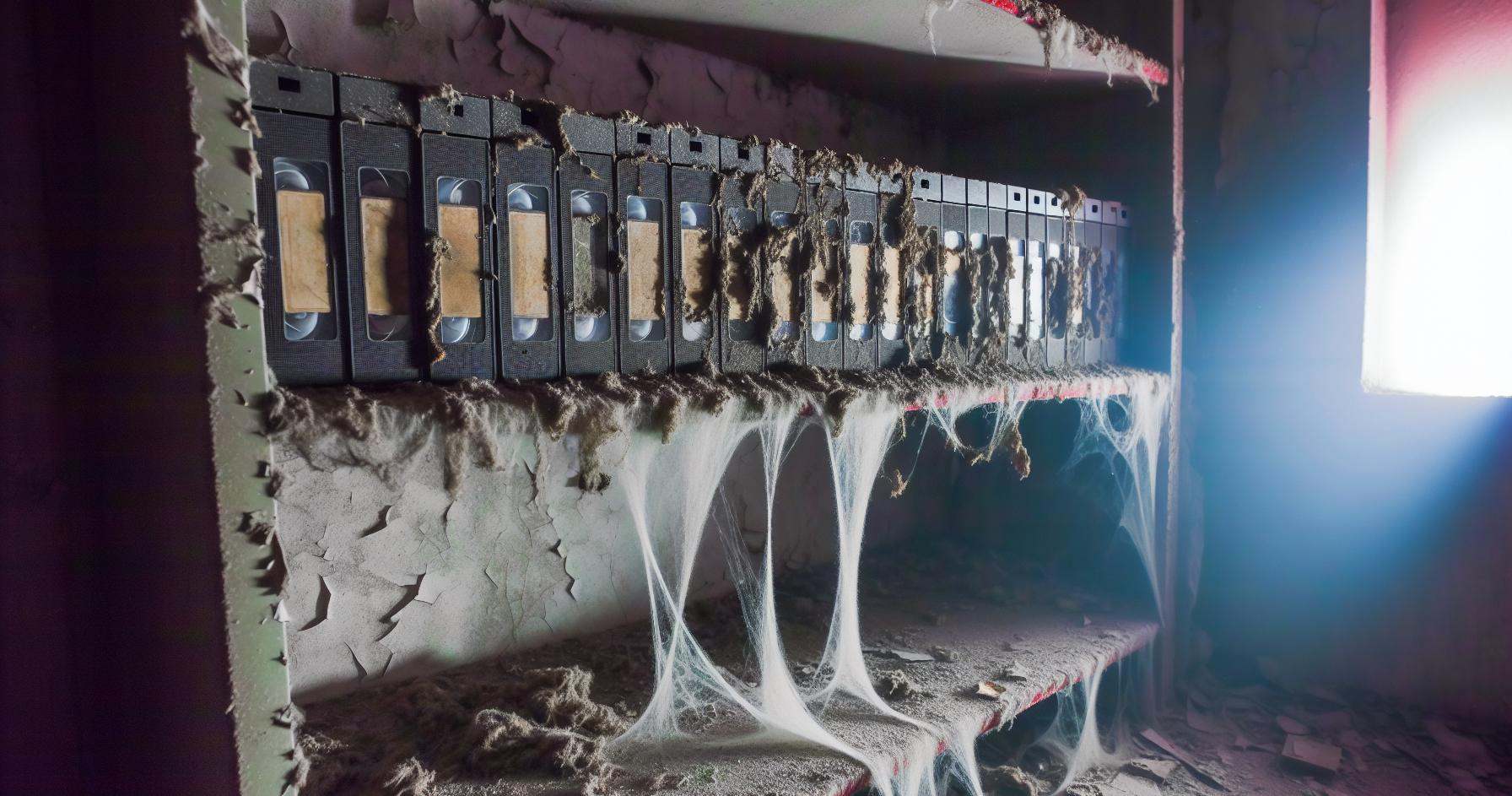
Neglecting Videotape Preservation: Betraying Future Generations
Have you ever wondered if the theory that today's inaction leads to tomorrow's regret holds any truth, especially when it comes to preserving videotapes? You're not alone.
The idea that neglecting videotape preservation could betray future generations isn't just dramatic; it's a stark reality we're facing. As you grapple with the rapid advancement of technology, it's easy to overlook the significance of maintaining our visual history.
But consider this: without immediate and concerted efforts, countless cultural artifacts and personal memories risk fading into oblivion. Now, you might be asking yourself what exactly is at stake and how this potential loss could impact not only historical scholarship but also personal connections to our past.
Let's explore the far-reaching consequences of this oversight and uncover the steps we can take to prevent a cultural blackout.
Key Takeaways
-
Videotape deterioration poses a significant risk to preserving videographic works and cultural heritage.
-
Digital migration is a crucial solution to combat the physical degradation of videotapes.
-
Collaborating with institutions, experts, artists, scholars, and preservationists is essential for developing sustainable strategies.
-
Prioritizing preservation ensures the accessibility and interpretation of cultural and historical events for future generations.
The Perils of Videotape Deterioration
Understanding the risks associated with videotape deterioration is crucial for preserving the integrity of videographic works like those of Fabrizio Plessi. You must first grasp the historical significance of these creations. Plessi's art, spanning from video sculptures to multi-channel installations, not only marks pivotal moments in the evolution of video art but also encapsulates critical reflections on society and technology. This heritage is at risk if the physical mediums decay beyond repair.
To combat this, you're advised to lean into technological advancements. Digital migration, though challenging, offers a lifeline. It's a meticulous process, requiring you to convert analog signals into digital files without compromising the original's essence. This step is essential. As you navigate this terrain, it's imperative to maintain a detailed log of the original conditions and any interventions made. This documentation ensures that future custodians can understand the provenance and purpose of each piece.
Strategically, embracing these technological solutions allows for the liberation of Plessi's works from the constraints of physical degradation. It grants them a new lease on life, ensuring their messages and aesthetic values continue to inspire and provoke thought across generations. This is how you safeguard the freedom to experience and interpret these culturally significant works indefinitely.
Order Digital Conversion Today
ORDER TODAYVideotape as Cultural Heritage
To safeguard our cultural legacy effectively, it's essential that you prioritize the preservation of videotapes, which encapsulate a diverse range of artistic expressions and historical narratives. Videotapes are a significant cultural heritage medium, yet they face serious preservation challenges.
Here is a methodical plan to tackle these challenges:
-
Understand the Risks: Acknowledge the degradation, obsolescence, and format compatibility issues that threaten videotapes. Realizing the importance of cultural heritage preservation is the first step toward action.
-
Seek Expert Help: Engage with institutions like La Camera Ottica Laboratory and preservation experts who are at the forefront of safeguarding videotape cultural heritage. Their knowledge and resources are invaluable.
-
Foster Collaborations: Work together with artists, scholars, and preservationists. Collaborative efforts are crucial in developing sustainable strategies for videotape preservation.
-
Embrace Modern Solutions: Consider digitization and other advanced preservation techniques that ensure accessibility for future generations without compromising the original quality.
Techniques for Effective Preservation
Having highlighted the importance of preserving videotapes as vital cultural heritage, let's now focus on the specific techniques that guarantee their effective preservation.
Proper storage is crucial. For long-term storage, find a cool, dry place away from direct sunlight. This action alone can significantly slow down the deterioration process, giving your tapes a fighting chance.
Next up, embrace digital migration. Regularly transferring your videotapes to digital formats isn't just a good idea; it's a necessity to counter obsolescence. This way, you're not just preserving content; you're ensuring it remains accessible and usable.
Don't underestimate the power of metadata management. It's your best friend in organizing and tracking your preserved content. With a solid system, you'll know what you have, where it is, and its preservation status at all times.
Regular quality checks and maintenance of your preservation equipment are non-negotiable. They're the backbone of ensuring the longevity of your videotapes.
Lastly, draft a comprehensive preservation plan. This should include disaster recovery procedures because, let's face it, the unexpected happens.
Impact on Future Historians
Neglecting the preservation of videotapes jeopardizes future historians' ability to access and interpret crucial cultural and historical events captured on this medium. This neglect could sharply limit the richness of historical narratives and understanding for generations to come.
Here's what you need to keep in mind to ensure that videotapes remain valuable, accessible archives for future historians:
-
Prioritize Preservation: It's imperative to prioritize the preservation of videotapes to safeguard their historical significance. This ensures a rich, diverse, and comprehensive historical record is available for future study.
-
Adopt Modern Techniques: Utilizing the latest preservation techniques will help maintain the quality and accessibility of these archives. This step is crucial in preventing the degradation of material that carries significant cultural and historical value.
-
Ensure Accessibility: Making these archives easily accessible to future historians will empower them to explore and interpret the past more effectively. Accessibility aids in the comprehensive understanding of historical narratives.
-
Educate on Importance: Spreading awareness among stakeholders about the importance of videotape preservation can mobilize resources and attention toward this cause, ensuring a concerted effort to maintain these archives for future research and understanding.
Family Stories: Beyond the Physical
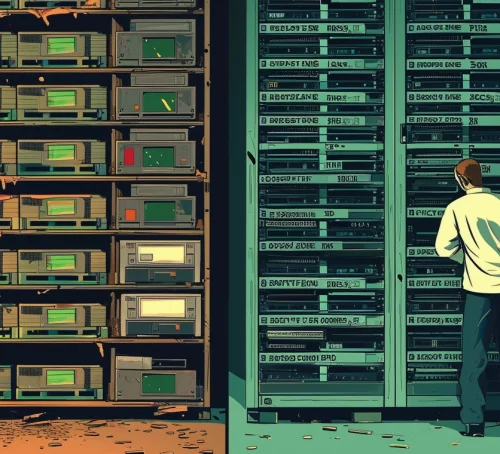
While prioritizing the preservation of videotapes ensures a rich historical record, safeguarding family stories beyond physical mediums is equally important. Transitioning to digital storytelling platforms empowers you to capture and immortalize these narratives, ensuring they're not bound by the fragility of tangible objects.
Dive into the emerging world of multimedia storytelling, where your family's legacy isn't just told; it's experienced. This method isn't just about conservation; it's about creating an intergenerational connection that's accessible anywhere, anytime.
Begin by selecting a digital platform that resonates with your family's unique story. Whether it's a visually driven blog, an interactive timeline, or a dedicated social media page, the key is to choose a medium that allows for dynamic storytelling. Incorporate photos, videos, voice recordings, and even virtual reality experiences to bring depth to your family's history.
Engage younger family members in this process, turning it into a collaborative effort that strengthens familial bonds and ensures a collective responsibility towards heritage preservation.
Order Digital Conversion Today
ORDER TODAYFrequently Asked Questions
How Has the Cost of Preserving Videotape Archives Changed Over the Years, and What Financial Challenges Does This Pose to Small Archives or Collectors?
Due to storage innovations, the cost of preserving videotape archives has decreased. However, small archives or collectors still face financial challenges. You should explore digitization grants to safeguard these treasures and ensure historical freedom for future exploration.
Are There Any Legal or Copyright Issues That Prevent the Digitization and Preservation of Certain Videotapes?
Yes, copyright issues can prevent the digitization of certain tapes. Look for copyright expiration dates and advocate for legal reforms that allow freer access. This proactive approach is crucial in preserving our collective cultural heritage.
How Do Environmental Factors Specific to Different Global Regions Affect the Deterioration of Videotapes?
Environmental factors, like humidity and temperature, drastically affect videotape longevity. To combat deterioration, prioritize humidity control and tailor storage solutions to your region's climate, ensuring your tapes' preservation and freedom from damage.
Can the Process of Videotape Preservation Itself Inadvertently Damage the Tapes, and How Can This Be Avoided?
Walking on eggshells, you'll find that preservation can harm tapes via magnetic degradation. To dodge this, meticulously apply gentle and precise cleaning techniques, safeguarding your tapes from unintentional damage and ensuring their freedom to endure.
What Role Do Emerging Technologies, Such as Artificial Intelligence, Play in the Discovery and Restoration of Lost or Deteriorated Videotape Content?
Emerging technologies, especially AI, play a crucial role in restoring lost or deteriorated videotapes. Machine learning applications dive deep, enhancing quality, while digital ethics debates ensure these tools don't infringe on your freedom.
Neglecting Videotape Preservation Final Remarks
You've learned the stakes: without proactive steps, we're on track to lose 75% of our videotaped heritage within the next two decades.
This isn't just about reels and tapes; it's about the stories, the art, and the history they carry. To avoid this loss, you must engage in meticulous preservation methods. Digitize, store correctly and advocate for funding in this cause.
If we all act now, we can ensure these treasures are available for generations to come rather than becoming tales of what was once held dear.