
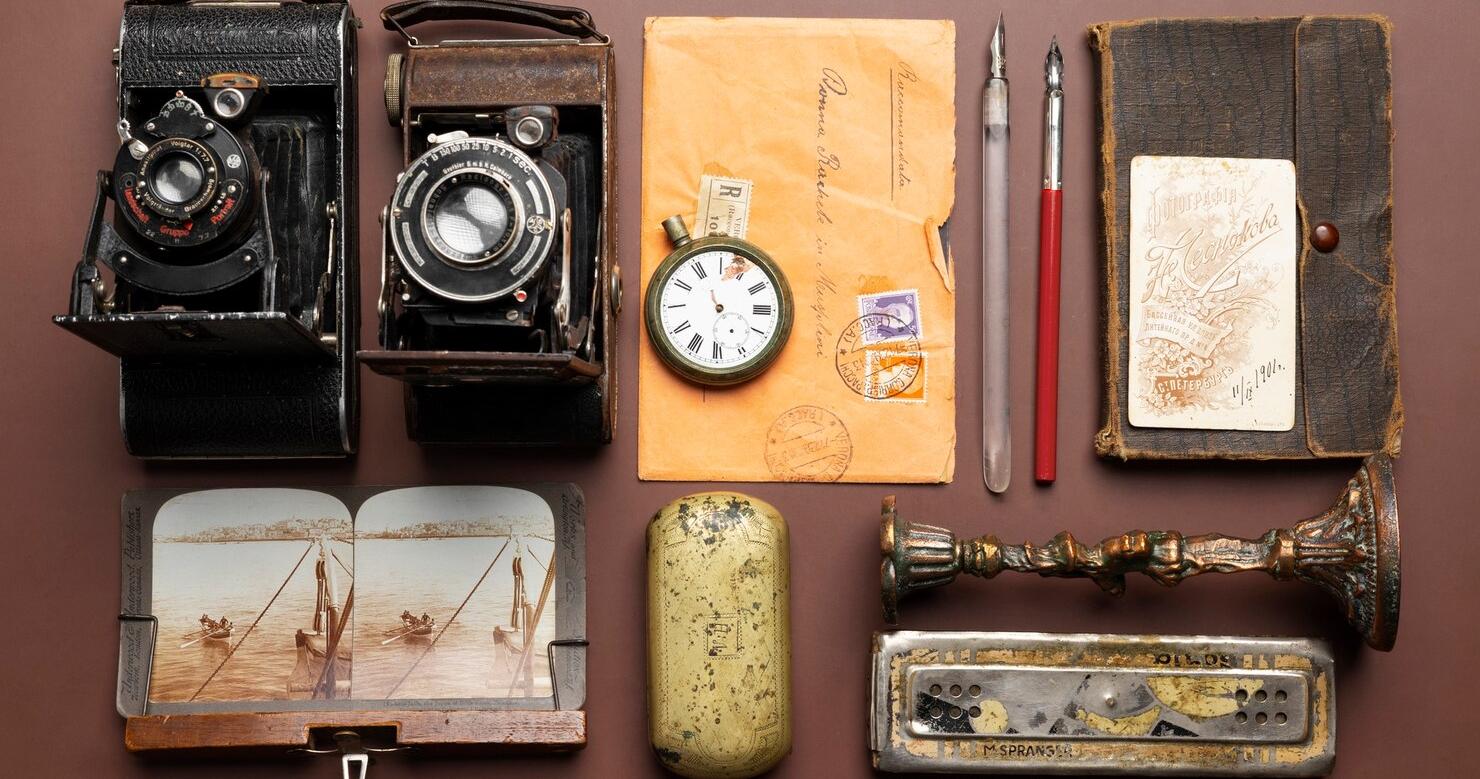
Preserve Family Memories: A Videotape Preservation Guide
Imagine you've just unearthed a box of old videotapes in your attic, each one brimming with irreplaceable family memories—your grandmother's 80th birthday party, your first steps, a family holiday from decades ago.
You're eager to relive these moments, but you're also aware that these tapes won't last forever. As a professional in the field of media preservation, I can tell you that the process of preserving these memories isn't as daunting as it might seem at first glance.
This guide will provide you with a comprehensive overview of understanding videotape technology, assessing the condition of your tapes, and the best practices for cleaning, maintenance, and digitization.
However, there's a crucial aspect of videotape preservation that many overlook, one that could be the difference between saving your family's history and losing it to the ravages of time.
Stick around to uncover this pivotal information and ensure your family's legacy is preserved for generations to come.
Key Takeaways
-
Understanding the different videotape formats and their unique characteristics is essential for proper playback and preservation.
-
Regular inspection of videotapes for physical damage and signs of deterioration is important to identify potential issues.
-
Cleaning and maintaining both recording equipment and videotapes themselves can help prolong their lifespan.
-
Digitizing videotapes is a recommended method for preserving family memories, and setting up a backup system with multiple storage locations ensures their long-term accessibility and protection.
Understanding Videotape Technology
To effectively preserve your cherished memories, it's crucial to grasp the fundamentals of videotape technology, which involves recording audio and video signals onto magnetic tape. This understanding is key to maintaining the rich tapestry of your family history in its original, authentic form.
Different formats, such as VHS, Betamax, and MiniDV, each have unique characteristics and playback requirements. Knowing these distinctions ensures you can maintain the archival quality of your treasured moments, whether they're captured in the laughter of a family reunion or the quiet joy of a baby's first steps.
Proper storage and handling are paramount to prevent degradation. Videotapes are vulnerable to heat, humidity, and magnetic fields, all of which can erase or distort the precious content they hold. To preserve family memories for future generations, transferring these tapes to digital formats is a wise choice, safeguarding against the obsolescence of playback equipment.
For those passionate about keeping their family's legacy alive, delving into the technical aspects of videotape technology isn't just a technical task—it's a labor of love. By ensuring your photos and documents meet archival quality standards, you're not just preserving memories; you're protecting your family's history for years to come.
Order Digital Conversion Today
ORDER TODAYAssessing Videotape Condition
Understanding the nuances of videotape technology equips you with the knowledge needed; now, assessing the condition of your tapes is your next critical step in preservation. Shielding these treasured family memories from the ravages of deterioration is paramount to ensuring they stand the test of time. This process safeguards not just the physical tape but the invaluable moments of family history they encapsulate, destined to be cherished by future generations.
Here's a methodical approach to evaluating your tapes:
-
Inspect for Physical Damage: Look for mold, tears, or warping on both the tape and its casing. These are clear indicators of compromised integrity.
-
Signs of Deterioration: Discoloration, sticky residue, or a vinegar-like smell are all red flags. These symptoms suggest chemical breakdowns, threatening the longevity of your family photos and videos.
-
Examine Playback Quality: Visible creases, wrinkles, or stretching can severely affect playback. Such physical deformities often result in distorted audio or visual output.
-
Evaluate Packaging and Labeling: Check for wear or fading. The state of a tape's packaging can offer insights into the overall care it has received.
Taking these steps ensures your family's memories are preserved in the Archives, ready to inspire and connect future generations with their heritage.
Cleaning and Maintenance Tips
After evaluating the condition of your videotapes, it's crucial to implement regular cleaning and maintenance routines to preserve their quality. These steps ensure your family papers are safeguarded, creating a legacy of Memories for future generations.
Start by regularly cleaning and maintaining your recording equipment for optimal performance. This proactive measure prevents damage to your prized tapes. Use soft, lint-free cloths and gentle cleaning solutions specifically designed for media preservation. This careful approach avoids abrasive damage, keeping your tapes in pristine condition.
Additionally, storing your videotapes and audiotapes in a cool, dry environment shields them from the harmful effects of direct sunlight and extreme temperatures. This simple yet effective step is foundational in preventing degradation.
To further ensure longevity, make it a habit to rewind and fast-forward your tapes occasionally. This practice prevents the tape from sticking and ensures even wear, safeguarding your Memories for future enjoyment.
Lastly, consider transferring the content to digital formats. This not only offers an additional layer of preservation but also grants easier access to your cherished memories.
Digitizing Your Videotapes
Why not consider digitizing your videotapes as a methodical approach to preserving your irreplaceable memories and ensuring their longevity? This process isn't just about converting old tapes into digital files; it's about securing a piece of your family's history, ensuring those cherished family stories and moments caught on tape aren't lost to time.
Here's how you can start:
-
Gather Your Materials: Collect all your videotapes, and don't forget to include any that family members might have. This may involve digging through boxes of photos and tapes that have been stored away.
-
Choose a Digitization Method: Decide whether you'll use a professional service or do it yourself with a video converter. Both options can help preserve your Family Archives with high-quality results.
-
Enhance and Edit: After digitizing, consider enhancing the quality of your videos. This step can breathe new life into old footage, making family moments even more vivid.
-
Set Up a Backup System: Store your digital files in three different places—cloud storage, an external hard drive, and another off-site location—to ensure your family memories are safe from unforeseen events.
Long-Term Storage Solutions
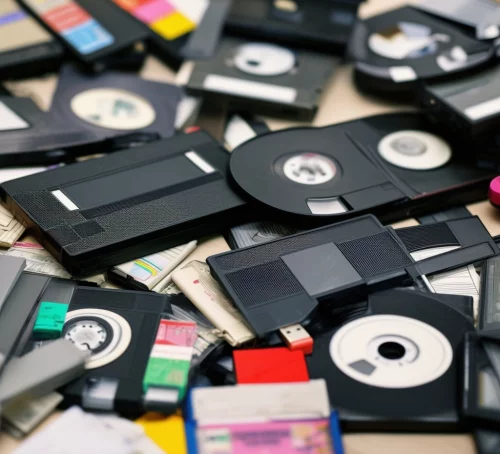
To ensure the longevity of your precious memories, consider implementing long-term storage solutions that utilize archival-quality materials and digital backups.
Archival quality materials, recommended by institutions like the National Archives, provide the safest environment for old photos and documents, ensuring they withstand the test of time. Digitization, a step you can't overlook, transforms your memories into digital formats, safeguarding them against physical deterioration.
When digitizing, engage with technologies that offer high-resolution and reliable storage options. Utilize external hard drives, cloud services, and physical backups, placing them in multiple locations to mitigate risks of data loss.
It's crucial to ask specific questions about the longevity and reliability of these digital formats, especially when preserving African American heritage or any valuable family history . Maintain a controlled environment for physical items; consistent temperatures and minimal light exposure are key to preventing fading and deterioration.
Check the health of your hard drives regularly and stay informed about newer, more stable storage technologies to transition to when necessary.
Order Digital Conversion Today
ORDER TODAYFrequently Asked Questions
How Do You Preserve Family Videos?
To preserve your family videos, start with digital conversion to safeguard memories. Use climate control for optimal storage conditions. Regular playback prevents degradation. Invest in storage solutions that protect against environmental damage, ensuring lasting freedom to reminisce.
What Is the Best Way to Record Family History?
To best record family history , you'll want to gather oral histories through interviews, use digital storytelling techniques, explore genealogy websites, and compile memory books. This detailed process offers a rich, enduring legacy.
How Can You Preserve Family Records?
You're not just preserving records; you're safeguarding your legacy. Utilize digital archiving for easy access, ensure physical storage in safe conditions, embrace oral traditions for vivid storytelling, and delve into ancestral research for deep roots.
What Is the Best Way to Preserve Family Photos?
To best preserve your family photos, start with digital scanning. Store them in photo albums with climate control measures. Consider professional restoration for damaged ones, ensuring their freedom from deterioration for generations to come.
Preserve Family Memories Guide Concluding Thoughts
In wrapping up, you've learned the ins and outs of preserving those precious videotaped family memories. Remember, with 90% of American households in the 1980s owning a VCR , there's a treasure trove of nostalgia waiting in your attic.
By assessing, cleaning, digitizing, and storing your tapes properly, you're not just saving memories; you're ensuring your family's legacy thrives for generations.
Dive into this guide, follow each step methodically, and soon, you'll turn those fading tapes into everlasting digital keepsakes.