
Preserve Family Stories: A Videotape Preservation Guide
Like a time capsule buried in the backyard, your family's videotaped stories hold treasures of memories, wisdom, and bonds that are too precious to lose to time or technology's relentless march. You're holding not just a guide but a key to unlocking and preserving these irreplaceable moments for future generations.
'Preserve Family Stories: A Videotape Preservation Guide' walks you through the nuances of capturing and safeguarding these narratives, from conducting heartfelt interviews to choosing the right digital platforms for secure storage and sharing. With the evolution of videotape and the challenges of magnetic media preservation at the forefront, this guide ensures you're equipped with the knowledge to tackle potential hurdles.
As you ponder over the pages, consider the legacy tucked away in your attic or closet, waiting for a new lease on life. The journey ahead promises not just the safeguarding of memories but the strengthening of family ties across generations. Why let these stories fade when the tools to save them are within your grasp?
Key Takeaways
-
Videotape technology has evolved from reel-to-reel tapes to digital formats, offering advancements in video quality and ease of use.
-
Magnetic media, like videotapes, preserve cherished memories and family experiences, allowing future generations to connect with their roots.
-
Techniques for videotape preservation include choosing a quiet recording environment, utilizing video recording to capture facial expressions and body language, and creating a digital archive organized by themes or family members.
-
Digitizing and sharing memories strengthen family bonds through shared history, but challenges such as deterioration, technological obsolescence, and environmental factors require ongoing care and attention to detail.
The Evolution of Videotape
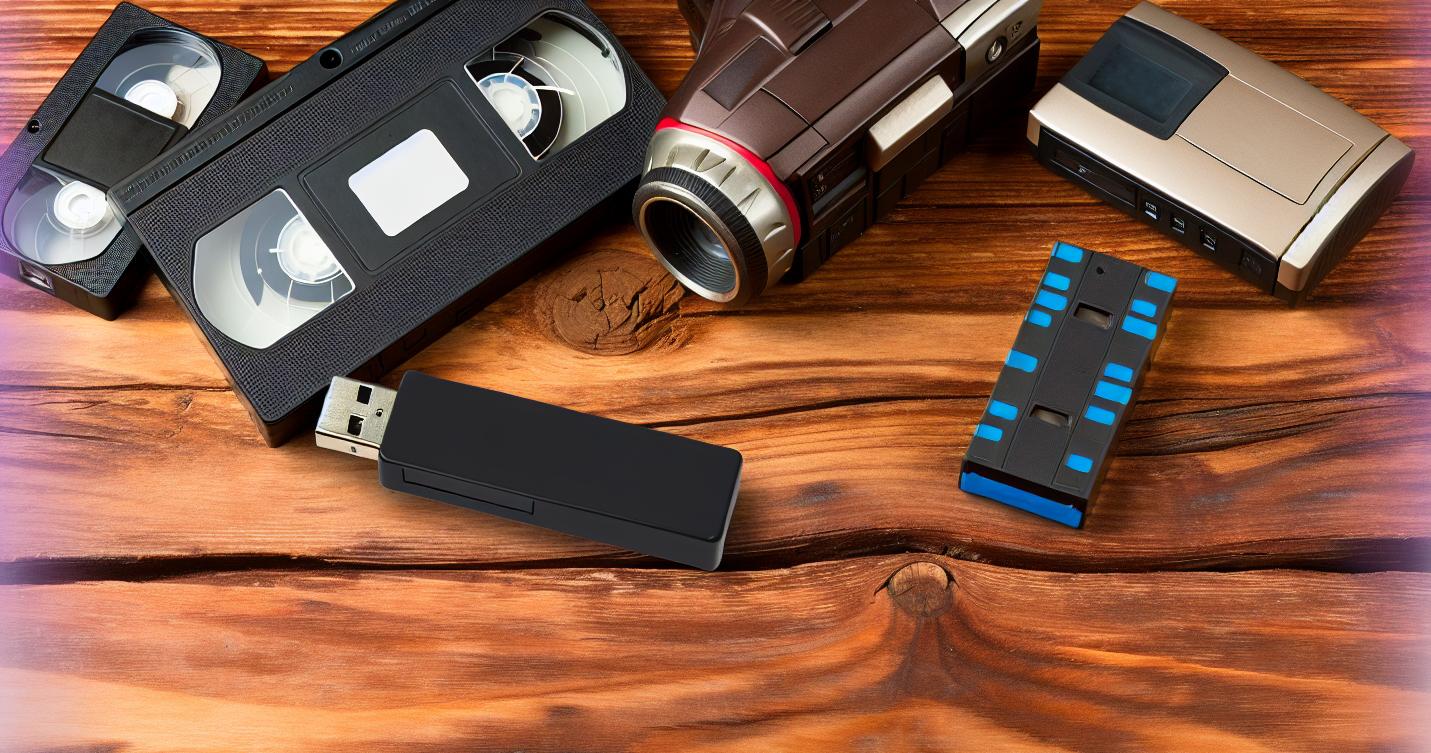
Videotape technology has consistently evolved, transitioning from the early reel-to-reel tapes to contemporary digital formats, profoundly transforming how we store and access video content. This journey from bulky, cumbersome reels to sleek, cloud-based storage solutions charts a path of significant advancements in video quality, storage capacity, and ease of use.
As you dive into the nuances of videotape evolution, you're not just exploring the technical leaps made over the decades; you're tracing the lineage of your family stories and how they've been preserved through changing times.
The introduction of VHS and Betamax revolutionized home entertainment, turning living rooms into personal cinemas and enabling families to capture precious moments on tape. These formats became the cornerstone of family storytelling, with each tape a tangible link to the past. However, as digital formats like DVDs, Blu-rays, and online streaming emerged, they brought about a seismic shift towards more durable, high-definition, and easily accessible video content.
This evolution is crucial for anyone looking to safeguard their family's legacy. Understanding the transformation from analog to digital is the first step in crafting your own videotape preservation guide, ensuring those cherished family stories endure for generations to come.
Order Digital Conversion Today
ORDER TODAYImportance of Magnetic Media
Magnetic media, such as the tapes your family has treasured for years, play a crucial role in preserving the stories and experiences that define your lineage. These tapes aren't just old recordings; they're treasures packed with cherished memories, invaluable wisdom, and the essence of what makes your family unique. By safeguarding these magnetic media, you're ensuring that the voices, laughter, and moments that shaped your family's story aren't lost to time.
Preserving magnetic media is more than a task; it's a gift to future generations. It allows your descendants to connect with their roots, understand where they come from, and grasp the values and faith practices deeply held within your family. Imagine your great-grandchildren hearing their great-grandparents' voices for the first time or seeing the world through their eyes. That's the power of preserving family history through these tapes.
Techniques for Videotape Preservation
Mastering the techniques of videotape preservation is crucial to ensuring your family's precious moments are not lost to the ravages of time. A few dedicated steps can safeguard the essence of your loved ones, their laughs, and the stories that define your family's legacy. Start by choosing a quiet place for recording; this ensures the clarity of voices and the intimacy of the moments captured.
| Technique | Benefit |
|---|---|
| Quiet recording environment | Preserves the clarity of voices |
| Video for expressions | Captures the essence of moments |
| Digital Archive | Organizes and shares memories |
Utilize video recording to capture not just the voices but the facial expressions and body language that bring stories to life. This adds a layer of depth to the memories you're preserving, making reliving them more vivid and emotional.
Organizing a digital archive by themes or family members offers a structured way to cherish and revisit these stories. Sharing this archive through cloud storage or physical copies ensures that your family's legacy is accessible for generations. Additionally, explore other methods like recording phone calls or using platforms like Vimeo, which offers robust privacy features for securely sharing family videos. This freedom to choose how you preserve and share your family's stories empowers you to keep your family's legacy alive.
Sharing and Digitizing Memories
After mastering the techniques of videotape preservation, it's equally important to focus on how you'll share and digitize these cherished memories for easy access and lasting safekeeping.
Digitizing your audio or video recordings transforms them into a format that's not only resilient against time but also convenient for sharing with family and friends across the globe.
Begin by converting your videotapes to digital files. This process safeguards the content from physical degradation while making it accessible on various devices. Once digitized, organizing your memories becomes simpler. Categorize them by date, event, or person to ensure they're easily navigable for future generations.
Sharing these digital memories can be as straightforward as sending them via email, making it possible to connect with relatives no matter where they are. This method allows for instant access, fostering ongoing conversations and strengthening family bonds through the power of shared history.
Moreover, by digitizing and sharing your family stories, you're not just preserving fleeting moments; you're offering a gift of immeasurable value to future generations. It's a way to ensure that loved ones' unique experiences, values, and wisdom continue to inspire and guide them long after they're gone.
Challenges in Preservation Efforts
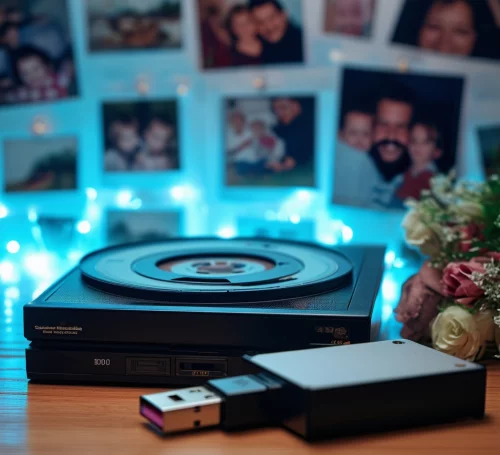
Despite the advancements in technology, preserving the original quality and appearance of family videos remains a significant challenge over time. You're likely familiar with the joy these recordings bring, capturing moments with loved ones that you wish to cherish forever. However, the deterioration and degradation of videotapes are formidable obstacles, threatening to erase the stories of your family members for future generations.
The issue doesn't stop there. Technological obsolescence complicates access and viewing of older family recordings. The devices once used to play these tapes are becoming increasingly rare, making it difficult to relive those cherished memories. Moreover, the environment itself poses a threat, with factors such as heat, humidity, and light accelerating the degradation process.
Preserving these precious tapes requires not just a one-time effort but ongoing care and attention. The digitization of videotapes, a potential solution, introduces its own set of technical and logistical challenges. It's a task that demands a careful approach to ensure no detail of your family's history is lost.
As you navigate these hurdles, remember the goal: to safeguard the stories of your loved ones for generations to come.
Order Digital Conversion Today
ORDER TODAYFrequently Asked Questions
How Do You Preserve Family Videos?
To preserve family videos , you'll want to digitize them through digital conversion , ensuring their longevity. Store originals in climate-controlled environments. This process safeguards memories, offering freedom to access and share them anytime, anywhere.
How Can You Preserve Family Records?
To preserve family records, you can digitize documents through digital scanning and capture oral histories with audio recordings. Organize these in secure archives for easy sharing, ensuring your family's legacy remains accessible for generations.
How Do We Preserve Stories?
Imagine gathering around your grandparent, recorder in hand, capturing their laughter and tales for an oral history project. You'll use digital storytelling to organize these moments, ensuring your family's legacy lives on freely and vividly.
How Do You Take Care of Family Archives?
To care for family archives, start with digital cataloging to organize memories efficiently. Ensure they're stored in climate-controlled environments to prevent damage. This method preserves your heritage and offers the freedom to share stories across generations.
Preserve Family Stories: A Videotape Preservation Guide Summary
In the tapestry of life, family stories are vibrant threads, weaving generations together. Your journey to preserve these precious moments on videotape isn't just about battling the sands of time; it's about etching your legacy into the digital era.
By embracing techniques to safeguard and share your memories, you're crafting a bridge between the past and the future. So, dive into digitizing and sharing—let your family's tales soar across the digital skies, ensuring they're cherished and relived, generation after generation.