

Preserving Family Heritage With Videotape: A Step-By-Step Guide
In an era where digital dominates and memories flicker across screens momentarily, you're tasked with capturing, preserving, and celebrating your family's unique heritage through videotape. It's a journey that weaves together the threads of past, present, and future, anchoring your family's legacy in the rich tapestry of human history.
As you embark on this endeavor, you'll find that it's not just about recording events but about crafting a narrative that resonates with warmth, depth, and authenticity. This guide is designed to walk you through each step - from understanding the nuances of videotape technology to conducting heartfelt interviews and adding those final touches that bring your family's story to life.
Yet, the true essence of this journey lies in the unexpected discoveries and the profound connections it fosters among generations. So, why is it crucial to anchor your family's legacy in this timeless format, and how can you ensure that your heritage is not just preserved but celebrated?
Let's explore the tools and techniques that can transform your family history into a treasure trove of memories and lessons for generations to come.
Key Takeaways
Videotape technology has evolved from analog to digital formats, with digital tapes offering superior quality and durability.
Videotape serves as a time capsule, preserving unique stories and traditions for future generations.
Preparing for filming and crafting open-ended questions fosters a sense of belonging and strengthens family connections.
Editing and finalizing the video with personal touches, music, and additional footage enhances the narrative and engages viewers.
Understanding Videotape Technology
To effectively preserve your family's heritage on videotape, it's crucial to understand how videotape technology, which often involves recording audio and video on magnetic tape, has evolved from analog to digital formats. This understanding is the cornerstone of 'Preserving Family Heritage with Videotape: A Step-By-Step Guide.'
Videotape technology has been instrumental in capturing and preserving family memories for decades, transitioning from analog formats like VHS to digital formats such as MiniDV and DVCAM.
A methodical dive into the nuances of these formats reveals that analog tapes store signals as a continuous magnetic pattern, whereas digital tapes encode this information in a binary format, offering superior quality and durability. Knowing the difference is essential when choosing the right equipment for playback and digitization.
This step-by-step guide encourages you to familiarize yourself with these videotape technologies to adeptly navigate the process of preserving and transferring your family heritage videos to modern digital formats. By understanding videotape technology, you're not just preserving memories; you're ensuring they're accessible for future generations, granting them the freedom to explore their past.
Order Digital Conversion Today
ORDER TODAYVideotape's Role in Heritage Preservation
Videotape serves as a time capsule, meticulously capturing and preserving your family's unique stories and traditions for future generations to explore. As you delve into the world of preserving family heritage through videotape, it's essential to approach this task with a methodical and research-based mindset.
| Stage | Objective | Emotional Impact |
|---|---|---|
| Preparing for Filming | Choosing a comfortable location and planning engaging questions | Fosters a sense of belonging |
| Filming | Prioritizing audio quality and showcasing significant items | Strengthens family connections |
| Editing and Finalizing | Aiming for a seamless interview with basic edits | Ensures the legacy is captivating |
Creating open-ended and engaging questions tailored to your family's heritage is crucial for a successful video. It requires involving other family members in the process, making them feel valued and part of this significant endeavor. By prioritizing audio quality and adding personal touches like important objects or photographs, you ensure the resulting videotape is not just a recording but a treasure trove of family history . Finally, editing to achieve a seamless interview makes the viewing experience engaging and ready for preservation and sharing, thus securing your family's legacy for the future.
Preparing Your Videotape Project
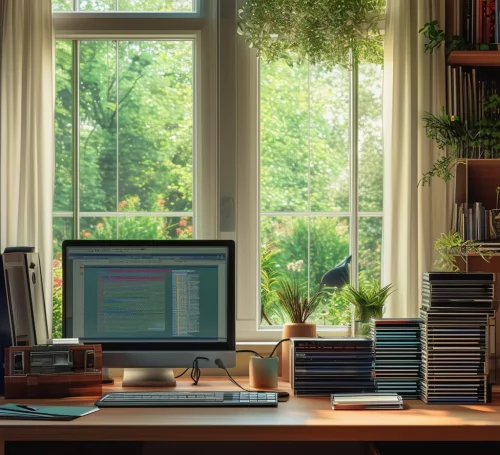
Before diving into filming, it's crucial you select a quiet, comfortable location that minimizes distractions, ensuring a focused and high-quality videotape project. This step is foundational in preparing your videotape project for capturing family history . The serenity of your chosen environment will significantly enhance the clarity of audio recordings, especially when interviewing people about their life stories and memories.
Next, meticulously prepare a list of stories you wish to cover. This preparation will keep the interview focused and flowing smoothly, allowing you to delve deep into the rich tapestry of your family's history. Crafting open-ended questions is essential; they should prompt detailed responses, encouraging your relatives to share vivid, engaging stories rather than simple yes or no answers.
Pay special attention to the technical aspects. Position the interviewee near a window to utilize natural lighting, and stabilize your camera to avoid shaky footage. These steps ensure that the visual quality matches the depth of the stories being told.
Lastly, if possible, aim to complete the interview in one sitting. This approach minimizes the need for extensive editing later and helps maintain the narrative's natural progression, making your family history video both engaging and cohesive.
Conducting Interviews and Filming
When conducting interviews and filming for your family heritage project, it's essential to select a tranquil, comfortable location that ensures both visual and auditory clarity. This environment not only facilitates a smoother filming process but also helps your interviewees feel at ease, encouraging them to share their family stories more openly.
To ensure your filming captures the essence of these stories, consider the following steps:
-
Craft open-ended questions that encourage detailed responses. These questions should delve into the heart of your family's experiences, enabling you to gather rich, in-depth narratives.
-
Utilize natural lighting by positioning your setup near a window. Feather the light to avoid harsh shadows, creating a soft, flattering illumination that enhances the visual quality of your footage.
-
Prioritize audio quality by either sitting close to the camera or employing a microphone. Clear audio is crucial for preserving the authenticity of your family stories and ensuring they're understood by future generations.
Editing and Final Touches
After capturing your family's stories through interviews, it's time to move on to the crucial stage of editing and adding final touches to your video. The first step involves using video editing software or mobile apps for basic edits. This process isn't just about cutting; it's about enhancing the narrative you weaved from years ago.
Editing is crucial for removing any pauses and 'umms' to achieve a more polished result. But it doesn't end there. Adding personal touches like music, transitions, and captions can turn your video from a simple recording into an engaging story that captures the essence of your family heritage.
Consider including old family photos or additional footage to complement the interview, providing a richer context to the stories being told. Here's a brief outline to guide you through:
| Task | Purpose | Benefit |
|---|---|---|
| Basic Edits | Clean up the footage | Creates a smooth, seamless narrative |
| Personal Touches | Add music, transitions, captions | Enhances viewer engagement |
| Complementary Material | Include old photos, footage | Enriches the story context |
| Final Review | Ensure accuracy and engagement | Preserves the essence of your family history |
Frequently Asked Questions
How Do I Start Recording Family History?
To start recording family history , first choose the right equipment, focusing on affordability and quality. Then, hone your interview techniques for engaging storytelling. Finally, set scenes thoughtfully to enrich the narrative and capture authentic moments.
How Do You Preserve Family History Documents?
To preserve your family history documents, start with digital scanning. Imagine safeguarding grandma's letters digitally. Implement climate control for physical copies and capture oral histories for a personal touch. This methodical approach ensures freedom in remembrance.
How Do I Record My Ancestry Information?
To record your ancestry information, you'll need genealogy software to organize it, conduct oral interviews to tell personal stories, and consider DNA testing to trace roots. This methodical, research-based approach grants freedom in understanding your heritage.
How Do I Archive Family Records?
To archive family records, explore digital storage options and apply organizing methodologies. Sharpen your interviewing techniques for richer content. This methodical, research-based approach ensures your family's legacy is preserved with freedom and detail in mind.
Order Digital Conversion Today
ORDER TODAYPreserving Family Heritage With Videotape Guide Concluding Remarks
In wrapping up your journey through 'Preserving Family Heritage With Videotape,' remember it's like planting a tree. Each video you create is a seed from which future generations will draw strength and identity.
Studies show that families with a strong sense of history enjoy better emotional well-being. By meticulously following the steps laid out—from preparing your project to adding those final touches—you're not just preserving memories; you're nurturing roots that will anchor your family's legacy for years to come.