
Preserving Family History: 3 Videotape Revolution Tips
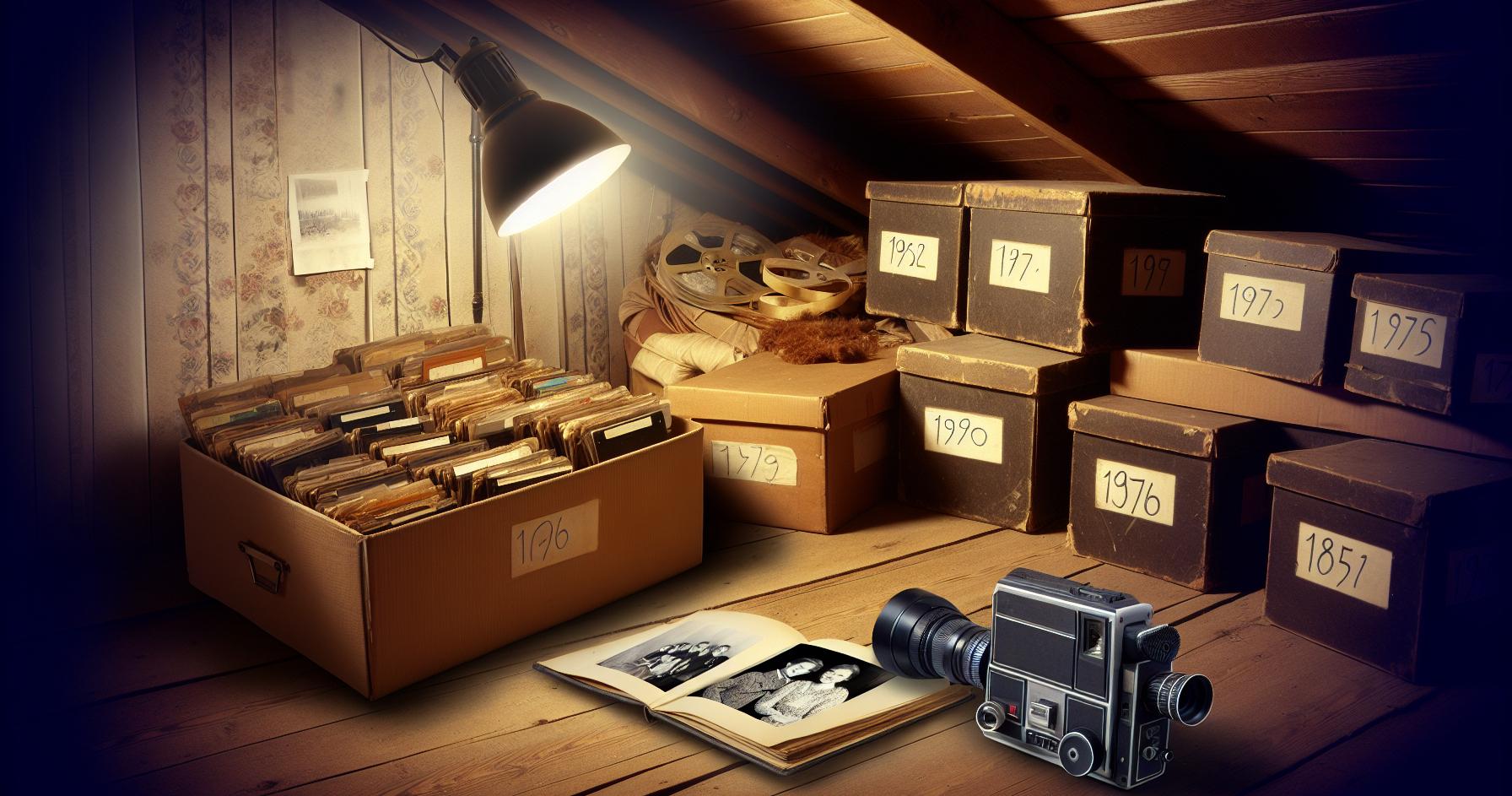
Imagine you've just discovered a box of old videotapes in your attic, each one filled with unscripted moments from your family's past. You're holding in your hands a fragile treasure trove of laughter, holidays, and priceless memories. However, as you're soon to find out, preserving these moments isn't as straightforward as it might seem.
You'll need to navigate through the challenges of maintaining their quality while ensuring they're accessible for future generations. This is where understanding the three critical tips for the videotape revolution comes into play. By addressing how to store them properly, digitize them for longevity, and maintain the necessary equipment, you're taking the first steps toward safeguarding your family's history.
But there's more to it than just these steps, and the nuances involved might surprise you. Stick with me, and you'll discover how to turn your family's past into a legacy that thrives far into the future.
Key Takeaways
Initiate oral history interviews with relatives to capture their unique stories and memories.
Utilize digital recordings or videos to create a dynamic and engaging way for future generations to connect with their roots.
Encourage family members to share during these sessions to unlock emotions and details that written records may not convey.
Establish a centralized digital archive for easy access to all family members' narratives.
Capturing Authentic Moments
To effectively capture authentic moments in your family history , it's crucial to initiate oral history interviews with relatives, thereby preserving their unique stories and memories. This approach not only enriches your understanding of your lineage but also ensures that the nuances and personal anecdotes of your ancestors aren't lost to time. By creating digital recordings or choosing to record videos, you offer a dynamic way for future generations to connect with their roots.
Encouraging family members to share during these sessions transforms the experience into a collaborative venture. As they reminisce about childhood memories, possibly tied to specific photos, you're not just capturing stories; you're also unlocking emotions and details that written records can't convey. This method provides a richer, more intimate family history .
Moreover, involving relatives in identifying unknown individuals in photographs adds layers of authenticity. It turns the process into a collective exploration of your family's past, bridging gaps in your family tree and bringing faces to names. Utilizing tools like StoryCorps for interview tips can further refine this process, ensuring you're well-equipped to capture these authentic moments in the most engaging and meaningful way.
Order Digital Conversion Today
ORDER TODAYDemocratizing Family Narratives
Empowering every family member to share their unique perspectives and experiences through digital formats revolutionizes the way we preserve and access our collective history. By democratizing family narratives, you're not just creating a family heirloom; you're building a bridge to future generations, ensuring that the richness of your family tree is comprehensively represented and accessible.
To make this process more systematic and engaging, consider these steps:
-
Implement Easy-to-Use Video Editing Tools: Equip family members, regardless of their age, with simple video editing software. This lowers the barrier to entry, enabling even those under 18 to contribute.
-
Establish a Digital Archive: Create a centralized digital repository where all family members can upload their narratives, making it easier for future generations to access.
-
Promote Storytelling Workshops: Organize family gatherings , virtual or physical, focused on storytelling. These workshops can be pivotal in uncovering hidden stories and encouraging participation.
-
Plan for the Future: As your family narrative project grows, think about the next steps. Consider how these digital assets can be preserved against technological obsolescence, ensuring they remain a valuable resource for future generations.
Enhancing Long-Term Preservation
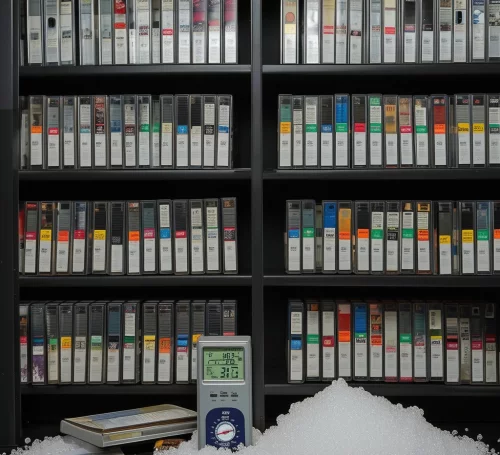
Digitizing old photos and documents is a foundational step in enhancing the long-term preservation of family history . By converting these precious memories into digital formats, you're not only safeguarding them against physical deterioration but also ensuring they're accessible for generations to come. This process is the first step in a systematic approach to preserving family history , allowing for easier sharing and analysis during genealogy research.
To further enhance the longevity of these digital assets, it's critical to use high-quality storage materials and techniques. Opt for archival-grade storage solutions that protect against environmental factors known to cause deterioration. Additionally, creating digital backups on various platforms can serve as an added layer of security, ensuring that no single point of failure leads to irreplaceable loss.
Implementing proper handling procedures is also paramount. Even digital files can become corrupted if not managed correctly. Regularly check your digital archives for integrity and make updates as needed.
For specialized preservation needs, don't hesitate to seek professional guidance. Experts in family search and genealogy research can offer invaluable advice on best practices and advanced techniques for enhancing long-term preservation, ensuring your family's history remains vibrant and intact for future generations.
Order Digital Conversion Today
ORDER TODAYFrequently Asked Questions
How Can You Preserve Your Own Family History?
To preserve your family history , convert old photos to digital, create thematic photo albums, record oral histories, use cloud storage for backups, curate memory boxes, and leverage ancestry websites for systematic, detail-oriented research.
How Do You Preserve Old Family Documents?
To preserve old family documents, digitally scan them, store them in climate-controlled environments, and use archival sleeves and acid-free folders. Remember online backups for security and incorporate personal storytelling for context.
How Do You Preserve Genealogy Documents?
To preserve genealogy documents, digitize them with digital backups and cloud storage. Store originals in acid-free albums, scan photos, record oral histories, and organize with genealogy software. You'll safeguard family stories systematically and securely.
How Do You Take Care of Family Archives?
To care for family archives, you'll need digital conversion , climate control, and smart storage solutions. Implement careful handling practices, organize with robust systems, and don't skip disaster planning to ensure freedom in preservation efforts.
Videotape Revolution Tips To Preserve Family History Final Thoughts
In conclusion, you've now become the ultimate guardian of your family's legacy. You are wielding these three videotape revolution tips like a seasoned archivist. By storing your tapes in conditions rivaling a top-tier museum's climate control, you are ensuring their preservation. You have transitioned to the digital realm like a tech wizard, securing your memories for the future. Additionally, by maintaining your playback gear with the precision of a Swiss watchmaker, you are guaranteeing the longevity of your tapes.
With these practices in place, you are not just preserving memories; you are ensuring they're immortalized. You have turned your family's narrative into an unbreakable fortress, ready to withstand the test of time.