
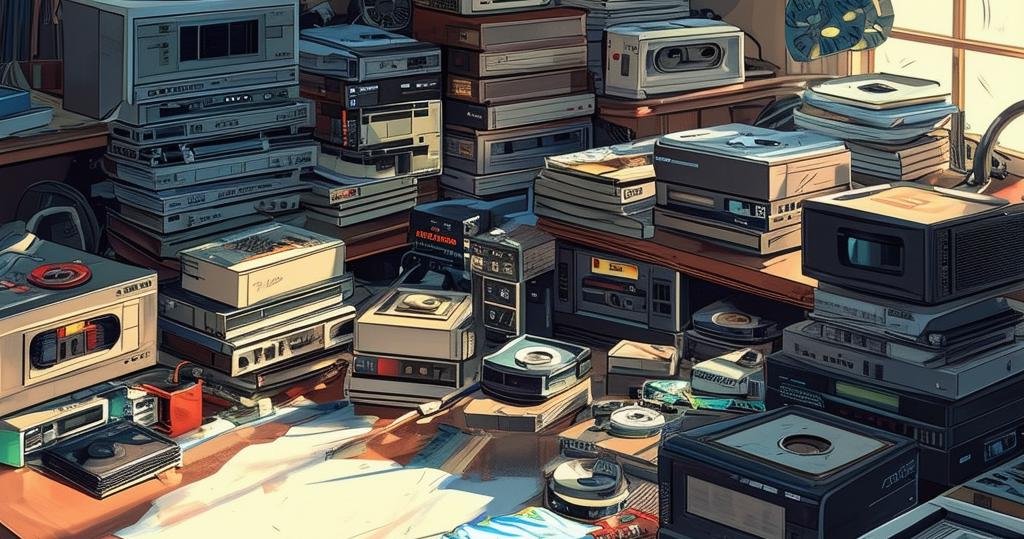
Preserving Family History: A Videotape Evolution Guide
Embarking on the journey to preserve your family's history is akin to setting sail on a sea of memories, where every captured moment is a beacon guiding future generations.
As you navigate the evolution of videotape technology, you'll uncover the art of transforming fragile moments into enduring tales. The guide you're holding offers practical advice on conducting oral histories and handling sensitive topics, as well as dives into the mechanics of digitizing vintage memories and the future of video preservation.
It's a path fraught with technical challenges and emotional depths, yet the reward of preserving your family's legacy is unparalleled. By the end of this guide, you'll be equipped with the knowledge to ensure that your family's stories, laughter, and lessons stand the test of time.
But where do you start, and how do you ensure that these digital archives withstand the relentless march of technology? Stick with us to uncover the secrets to preserving your family history for generations to come.
Key Takeaways
Videotape technology revolutionized home entertainment and personal history documentation, making it accessible for anyone to preserve family stories without professional skills or equipment.
Different videotape formats, such as reel-to-reel, VHS, Betamax, DVD, and Blu-ray, offered varying levels of video and audio quality, durability, and user-friendliness.
Digitizing vintage videotapes preserves and shares cherished memories for future generations, allowing for editing, combining, and creating new content.
Archiving techniques, including reliable digital storage solutions, regular updates, multiple backups, metadata incorporation, and professional software, ensure preservation, accessibility, and enhanced video quality.
The Dawn of Videotapes
The advent of videotapes in the 1970s, marked by the introduction of VHS and Betamax formats, revolutionized how families captured and preserved their memories, signifying a pivotal shift in home entertainment and personal history documentation. This transition wasn't just about technology; it was about granting you the freedom to document your family's milestones, from birthdays to holidays, in a way that was previously unimaginable.
The videotape evolution democratized the recording process, making it accessible for anyone to preserve family stories without needing professional skills or equipment.
This era of videotape was instrumental in shaping how family history was recorded and shared. No longer were family narratives confined to oral traditions or photo albums; they were now vividly captured in motion, with the nuances of voice and environment intact.
As videotapes became household staples, the practice of preserving family moments became an integral part of life, laying the groundwork for the digital files era. This shift to magnetic tape technology marked a significant departure from film-based recording, setting the stage for the digital revolution that would follow, ensuring that family stories, once captured, could be revisited and cherished across generations.
Order Digital Conversion Today
ORDER TODAYVideotape Formats Through Ages
Over the years, videotape formats have transitioned from reel-to-reel systems to VHS and Betamax, eventually paving the way for digital mediums like DVDs and Blu-rays. These mark significant milestones in the preservation of family history .
Understanding the evolution of videotape formats is crucial for preserving memories and ensuring your family history can be enjoyed by future generations. Each format has its unique characteristics, making the process of preserving and organizing your videos a thoughtful journey. Let's delve into the specifics:
| Format | Characteristics |
|---|---|
| Reel-to-Reel | High-quality audio and video, but less convenient and durable |
| VHS | Widely used, more durable, and user-friendly |
| Betamax | Superior video quality than VHS, but less popular |
| DVD | Digital offers improved video resolution and sound quality. |
| Blu-ray | High-definition video, greater storage capacity, best quality |
As you move through the videotape formats through the ages, it's essential to adopt a methodical approach to organizing your videos. By understanding each format's strengths and limitations, you can ensure that your family photos and memories are preserved in the best possible manner, securing them for generations to come.
Digitizing Vintage Memories
In today's digital age, converting your family's vintage videotapes into digital formats is a crucial step in preserving and sharing your cherished memories for generations to come. By digitizing these old analog videos, you're not just safeguarding the past; you're ensuring that future family members can connect with their history in a modern, accessible way.
This process involves employing specific technology and equipment to transform VHS tapes , 8mm films , and DVDs into digital files. Once digitized, these memories require proper archiving and storage to guarantee their preservation and accessibility. This meticulous approach enables you and your loved ones to look back on treasured moments with ease.
Moreover, digitizing vintage memories opens up the possibility of even creating new content by editing and combining old footage, crafting unique narratives that bridge generations. The freedom to share these digital memories across various platforms ensures that your family's legacy isn't confined to physical media that may degrade over time. Instead, it lives on, ready to be explored and appreciated by current and future generations, solidifying the bond between loved ones through shared heritage and stories.
Archiving Techniques Unveiled
Having digitized your family's vintage memories, it's crucial to explore effective archiving techniques to ensure these treasures withstand the test of time. The first step in this journey is understanding that every moment captured and preserved is a gift to future generations. The process isn't just about saving; it's about enriching the family narrative for several years to come.
To achieve this, consider the following archiving techniques:
-
Use reliable digital storage solutions: Cloud services and external hard drives offer secure and accessible homes for your digitized memories.
-
Regularly update your archive: Technology evolves rapidly. Ensure your files are in current formats and stored on up-to-date media.
-
Create multiple backups: Never rely on a single copy. Diversify storage locations to safeguard against loss or damage.
-
Incorporate metadata: Label each file with detailed descriptions, dates, and locations. This practice aids in retrieval and adds context for those who'll cherish these stories after you.
-
Invest in professional software: Tools like Final Cut provide sophisticated options for editing and enhancing your videos, making every moment truly unforgettable.
Future of Video Preservation
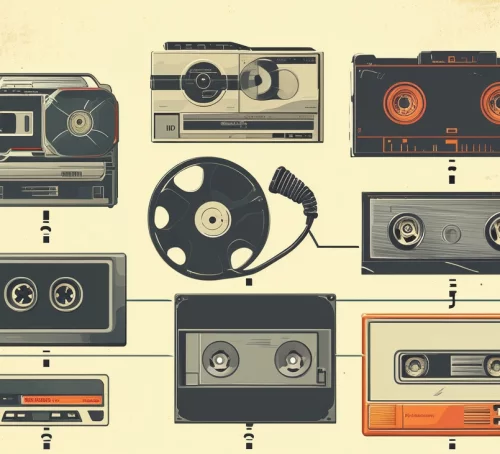
As technology advances, you'll find increasingly efficient methods for turning your analog memories into pristine digital formats. The future of video preservation hinges on these technological strides.
Cloud storage platforms, for instance, are becoming pivotal in ensuring your videos, filmed years ago, aren't only stored in good quality but are also shareable and accessible. This means that one day, your descendants can experience these memories as vividly as you do now.
Moreover, video editing software is continuously improving, enabling you to enhance and preserve old videos with greater precision. The important thing here is the freedom this technology offers: freedom to refine, save, and relive.
Artificial intelligence is another frontier in video preservation. Imagine having your vast video collection automatically organized and annotated, simplifying what once was a daunting task.
Lastly, virtual reality and immersive technologies are set to redefine how we interact with archived videos, offering a more engaging preservation experience. You're not just saving memories; you're preparing them for a future where they can be experienced in ways you mightn't have imagined.
Order Digital Conversion Today
ORDER TODAYFrequently Asked Questions
How Do You Preserve Family History Documents?
To preserve family history documents, you'll want to digitize them, using photo scanning for images and storing oral histories digitally. Store originals in acid-free folders under climate control, ensuring their longevity and accessibility.
How Do You Preserve Genealogy Documents?
To preserve genealogy documents, you'll digitize them for safekeeping, use acid-free sleeves for protection, and store them with environmental controls. Implement online backups and genealogy software to manage and safeguard your family's history efficiently.
How Can You Preserve Your Own Family History?
To keep your family's past from slipping through your fingers, dive into oral history projects, explore digital conversion options, craft photo albums, use cloud storage solutions, and embrace personal storytelling techniques for a lasting legacy.
How Do You Preserve Your Family Legacy?
To preserve your family legacy, master oral storytelling techniques, create digital photo albums, embark on legacy video projects, compile a family recipe book, and document milestones on social media timelines, ensuring your heritage lives on.
Videotape Evolution Guide To Preserve Family History Final Remarks
In sum, you've journeyed from the dawn of videotapes to the future of video preservation, mastering formats and digitizing cherished memories.
By methodically applying archiving techniques, you preserve family history and ensure its heartbeat for generations. Like a tapestry woven from myriad threads, your family's narrative is intricate, vibrant, and enduring.
Remember, the art of preservation is meticulous but rewarding. It safeguards tales that define, unite, and enrich us all. Keep this legacy alive; it's yours to tell.