
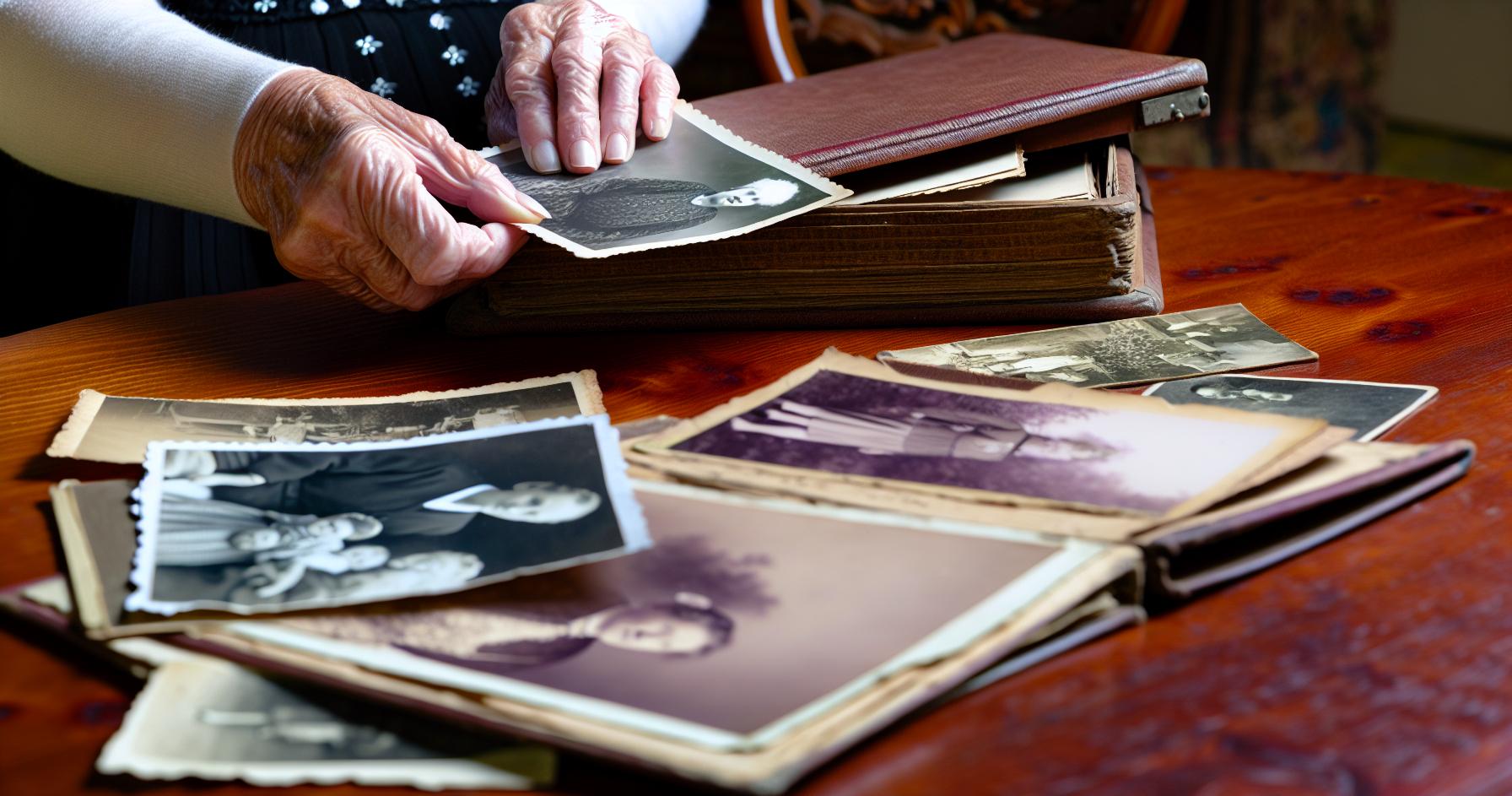
Preserving Family History: Uncover Your Ancestral Stories
Peering into your past can often help you understand your present, revealing rich stories and secrets that have shaped your family's journey through generations.
As you embark on this quest to preserve your family history , you'll discover that it's not just about collecting dates and documents; it's about connecting with your ancestors on a personal level, uncovering tales of triumph, tragedy, and everyday life that has woven the fabric of your identity.
From sifting through old photographs to recording the oral histories of your oldest relatives, you'll find yourself in a unique position to not only preserve these stories but to share them, ensuring they endure for future generations.
Yet, the process is not without its challenges, and knowing where to start or how to navigate the vast sea of information can be daunting.
Stay with us as we explore the essential steps you can take to safeguard these ancestral narratives and ensure they are not lost to time.
Key Takeaways
Conduct thorough research using interviews, libraries, and digital resources to gather detailed information about your ancestors.
Organize and preserve your findings by categorizing items, engaging with family members, and utilizing digital preservation techniques.
Use a combination of preservation methods, such as acid-free materials and digital storage, to ensure the longevity and accessibility of ancestral stories.
Share your family history through documentation, storytelling, video interviews, and digital preservation to pass on the legacy to future generations.
Research and Preparation
Embarking on the journey to preserve your family history requires a meticulous approach to research and preparation, where every source and strategy can unveil a piece of the past. You'll delve into genealogy research with a focus on expanding your family tree, guided by the pursuit of freedom in uncovering your ancestral stories.
Start by interviewing your oldest living relatives and crafting open-ended interview questions that encourage them to share rich, detailed accounts of their lives and the ancestors they remember. These conversations are treasure troves of insights, often revealing names, places, and events not documented elsewhere.
Your quest will lead you to local libraries, where court records, yearbooks, and vintage newspapers await your eager exploration. Here, old photos can connect faces to names in your growing family tree. Don't overlook the wealth of digital resources at your disposal. The Church of Latter-Day Saints' online database, federal government sites for census, military, land, and immigration records, and specialized resources for researching enslaved ancestors offer key pieces to your family puzzle.
Each step in your methodical search stitches together the fabric of your heritage, empowering you with knowledge and a deep connection to your roots.
Order Digital Conversion Today
ORDER TODAYOrganizing Your Findings
Once you've gathered a wealth of historical data and memorabilia, it's crucial to systematically organize your findings to ensure their preservation and meaningful sharing with future generations. Start by sorting items into categories like Save, Donate, Pass On, and Toss. This initial step helps you clearly identify what's essential to preserve your family history and what can find a new home or purpose.
Preserving important documents and relics with provenance is imperative to maintaining the historical significance of your finds. These pieces are the cornerstone of your family story, holding irreplaceable value. Engage with family members about their interest in specific items. This ensures that the process of organizing your findings isn't just about preservation but also about connecting with your family's past and sharing these treasures with those who value them most.
Consider contributing to broader preservation efforts by donating items to museums or historical societies. Such actions not only help you declutter but also enrich public knowledge.
For digital preservation, leverage platforms like Family Search or state historical associations. These offer robust tools to safeguard your family history online, ensuring that the story you've meticulously assembled is preserved for generations to come.
Methods of Preservation
Having organized your family history treasures, it's crucial to now focus on how best to preserve these items for the future. Your journey to safeguard your ancestral stories demands a detailed, analytical approach. It's about embracing methods that ensure longevity while honoring the essence of your family's legacy.
Consider the spectrum of options available for preservation. From traditional storage solutions to innovative digital techniques, each method offers a unique advantage. For tangible items like family heirlooms or letters, using acid-free archival materials is fundamental. These items hold the tactile history of your ancestors, and proper storage is key to their endurance.
Digital preservation, including scanning and online storage, offers a dynamic way to keep family memories alive. It's not just about safeguarding; it's about making your history accessible for future generations. Moreover, professional preservation services can provide specialized care for those irreplaceable artifacts, ensuring they withstand the test of time.
Here's a structured way to look at your options:
| Preservation Method | Description |
|---|---|
| Archival Storage | Utilize acid-free materials and proper techniques for physical items. |
| Digital Preservation | Scan and store documents and photos online for easy access and security. |
| Professional Services | Seek expert care for fragile or valuable items. |
| Guidance and Resources | Consult with preservation organizations for tailored advice. |
Incorporating these methods into your preservation strategy empowers you to honor your family's history. Whether you're making a quilt from vintage clothing, recording an interview with family members, or digitizing old photographs, you're ensuring that the stories of your ancestors are cherished and remembered.
Sharing Your Legacy
To effectively share your legacy, it's essential to employ a variety of techniques that not only preserve but also vividly convey your family's history to future generations. By taking a methodical approach, you can ensure that the story of your family isn't just preserved but also cherished by different family members and loved ones for years to come. Here's how:
-
Documenting and Organizing: Begin by collecting family documents, artifacts, and heirlooms. Organize these materials methodically, ensuring they're easily accessible for future generations. This step is foundational, creating a tangible link to your past.
-
Creating Engaging Narratives: Utilize storytelling techniques such as writing a family history book or creating scrapbooks. These narratives transform names and dates into vivid stories, making the history of your family more relatable and engaging for younger generations.
-
Leveraging Digital Platforms: Conduct video interviews with older family members to capture their memories and stories. Digitally preserving these interviews, along with other genealogical records, ensures that the legacy of your family is accessible across different geographical locations and survives the test of time.
Continuous Engagement
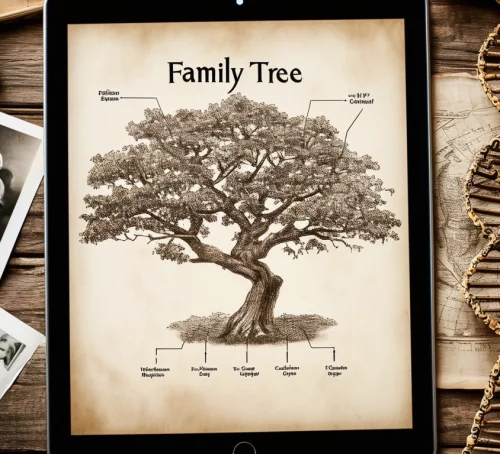
After employing a variety of techniques to share your legacy, focusing on continuous engagement becomes crucial in keeping the family history alive and vibrant for generations to come. Regularly communicating with your relatives helps you find the pieces of your family's story that might otherwise remain undiscovered. By actively engaging in conversations, you unearth not just the facts but the emotions and experiences that shaped your ancestors' lives.
Visiting libraries and utilizing online resources are instrumental in digging deeper into your past. These methods provide access to a wealth of information for future exploration, ensuring that no stone is left unturned in your quest for knowledge. Moreover, preserving and documenting your findings through various mediums safeguards these stories for the future.
Sharing and discussing these stories within social media groups or at family reunions not only strengthens familial bonds but also encourages a collective effort in piecing together your family's history. This collaborative environment fosters a sense of belonging and pride among family members.
Lastly, constantly seeking opportunities to learn more about your heritage keeps the flame of curiosity alive. It's a commitment to understanding your roots and ensuring that the legacy of your family continues to inspire and inform the lives of future generations.
Order Digital Conversion Today
ORDER TODAYFrequently Asked Questions
Why Is Preserving Family History Important?
Preserving family history bolsters cultural identity, passes down generational wisdom, and enhances emotional resilience. It's crucial in building legacy and understanding societal impact, giving you the freedom to shape your future with knowledge from the past.
How Can You Preserve the Stories That Pass to Us by Our Ancestors?
Like uncovering lost treasure, you can preserve your ancestors' stories through digital archiving, recording oral histories, safeguarding personal memorabilia, embracing creative storytelling, and honoring cultural traditions, ensuring their legacy lives on in a quest for freedom.
How Do I Uncover My Family History?
To uncover your family history , dive into genealogy websites, consider DNA testing, and explore local archives. Engage with oral traditions and connect with heritage societies, methodically piecing together your ancestors' stories with precision and freedom.
How Do I Find Stories of My Ancestors?
Imagine Sherlock Holmes, but you're hunting ancestral tales, not criminals. Dive into oral history interviews, scour genealogical societies, old newspaper archives, and local library resources, and explore cultural heritage sites to connect the dots and unlock stories.
Preserving Family History: Uncover Your Ancestral Stories Summary
So, you've waded through the attic's dust, deciphered ancient handwriting, and unearthed ancestors who were less boring than you'd assumed.
Congratulations! You've meticulously organized, preserved, and shared your legacy, only to realize your future generations might just skim through it while scrolling their devices.
Yet, in this irony lies the beauty: your detailed, analytical labor of love ensures your family's saga survives—even if it's in the background of their latest selfie.
Keep engaging, for your ancestors didn't lead fascinating lives for nothing.