
Preserving Family History With Videotape: Frequently Asked Questions
Preserving your family history with videotape is like capturing moments in a bottle—timeless and invaluable, but you're likely to have questions about how best to undertake this task.
You're not alone in wondering how to navigate the challenges of technology evolution, storage dilemmas, or even the common playback issues that might arise.
As you seek to digitize, store, and share these precious memories, understanding the nuances of audiovisual preservation becomes crucial. This discussion aims to equip you with the knowledge to not only safeguard these treasures but also ensure they're accessible for generations to come.
So, let's explore the frequently asked questions surrounding this endeavor, offering you insights and guidance on a journey that bridges the past with the future.
Key Takeaways
Videotapes hold historical significance and value as they capture cultural, political, and social movements.
The evolution of videotape technology has resulted in improved video and audio quality, making it easier to preserve family memories.
Proper storage and preservation techniques, such as storing tapes in optimal conditions and using archival-quality materials, are crucial for long-term preservation.
Digitizing videotapes allows for easier access and sharing of family history , contributing to broader historical narratives.
Historical Significance
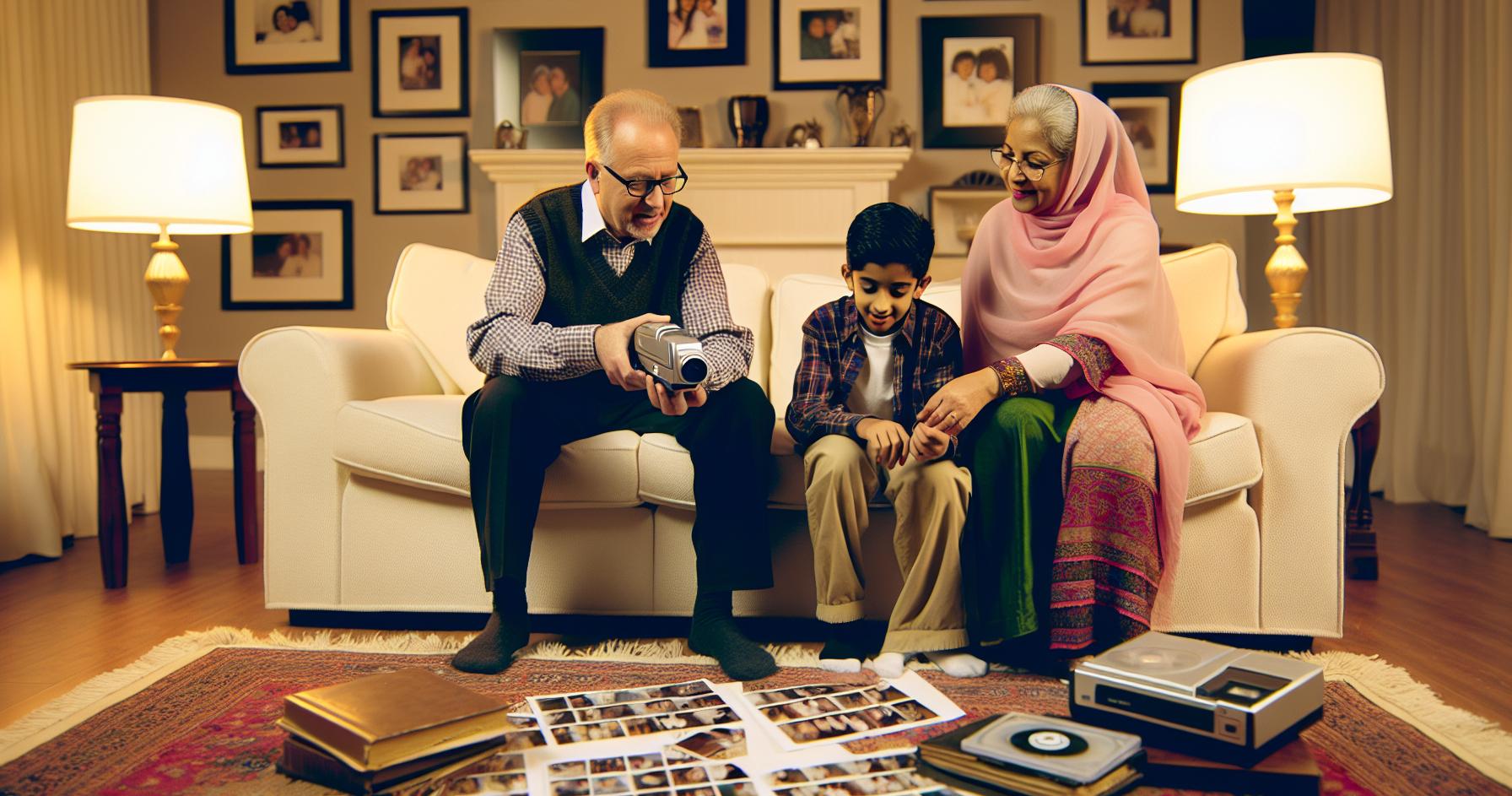
Understanding the historical significance of objects and events allows us to appreciate their profound impact on shaping society and our collective memory. In the context of preserving family history , videotapes serve as invaluable audio-visual artifacts. These items don't just capture moments; they encapsulate the essence of eras, documenting the evolution of culture, politics, and social movements through a personal lens.
The historical significance of these videotapes goes beyond the surface, as they hold keys to understanding individual contributions to broader societal changes. To ensure the longevity of this significant part of your family history , it's crucial to prioritize proper storage and care. Videotapes, vulnerable to the ravages of time and technology obsolescence, require specific conditions to preserve their integrity.
Moreover, maintaining or accessing the appropriate playback equipment becomes part of this preservation effort. By doing so, you not only safeguard these treasures but also ensure that future generations can access and appreciate their historical significance.
This act of preservation is a testament to the value you place on your family's role in the tapestry of human history.
Order Digital Conversion Today
ORDER TODAYVideotape Technology Evolution
Recognizing the historical significance of videotapes in preserving family memories leads us naturally to explore how videotape technology itself has evolved, shifting from analog formats to the digital realms of DVDs, Blu-ray discs, and online streaming. This evolution hasn't only preserved the essence of countless family gatherings , birthdays, and holidays but also enhanced the quality of these cherished moments.
The journey of videotape technology evolution has been marked by several key advancements:
The transition from VHS tapes , which introduced households to home movies, to DVDs and Blu-ray discs, offered improved video and audio quality.
The advent of digital video files and streaming services has enabled easier access to and sharing of family memories worldwide.
The necessity for preventive measures, such as proper long-term storage and the potential need for professional transfer services like those provided by the Library of Congress or Northeast Document, to ensure these motion pictures withstand the test of time.
As technology continues to evolve, it's crucial to stay informed and proactive in preserving your family's legacy. The shift to digital means not only better quality but also the freedom to relive and share those precious moments with future generations.
Storage and Preservation Tips
Frequently, the longevity and integrity of treasured family memories hinge on adopting effective storage and preservation strategies for videotapes and other audiovisual materials. Ensuring your recordings can be played back for generations, especially for older relatives to reminisce and share stories, calls for meticulous care.
Here's a concise guide with storage and preservation tips:
| Tips on Archiving Family | Description |
|---|---|
| Moderate Temperatures | Store in environments free from extreme heat or cold to prevent damage. |
| Dust-Free Storage | Keep tapes in cases away from dust, which can degrade quality. |
| Archival-Quality Materials | Use materials free from polyvinyl chloride (PVC) for long-term preservation. |
| Digitization | Convert tapes to digital formats to ensure they can be accessed as technology evolves. |
| Transcription | Preserve the sounds of ancestors by transcribing audio for posterity. |
Common Playback Issues
Despite your best efforts to preserve family videotapes , you might still encounter playback issues due to a variety of technical challenges. These problems can often seem insurmountable, leaving you concerned about the accessibility of your family's history. However, solutions exist to overcome these common obstacles:
-
Lack of appropriate playback machines: This issue can be addressed by reformatting the recording. An Internet search or consulting a historical society in the United States can guide you to services capable of transferring your videos to modern formats.
-
Damaged tapes or films: Professional preservation service providers have the expertise to render these playable for reformatting. They use advanced technologies, ensuring that no piece of your family history is lost.
-
Faulty optical discs: These can often be recovered by ripping the data to a computer hard drive and then burning it onto a new disc. It's vital to research different ripping/burning software options and choose reliable brands to ensure the best possible outcome.
Digitization and Sharing
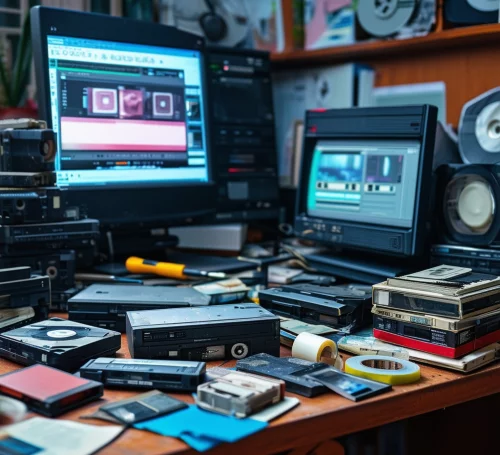
Digitization serves as a crucial bridge, enabling you to securely preserve and effortlessly share your family's cherished memories with future generations. The process involves utilizing specific equipment and capture software to transform videotapes into digital files. If you're not well-versed in the technical nuances of digitization, seeking professional assistance ensures your Collection is converted accurately and efficiently.
Once digitized, attaching audio and video files to online family history platforms not only preserves these memories but also makes them readily accessible. This digital format allows you to share your family's legacy with relatives near and far, fostering a deeper connection to your shared past.
Moreover, consider expanding the reach of your family's history by making these artifacts available online. Platforms that host census records, local libraries, historical societies, and even the National Archives may welcome the addition of your Collection. This not only secures your family's place in history but also contributes valuable insights to broader historical narratives.
Order Digital Conversion Today
ORDER TODAYFrequently Asked Questions
What Is the Best Way to Record Family History?
The best way to record family history is to combine oral and digital storytelling, heritage interviews, genealogy research, and preservation of cultural traditions. Consider memory boxes and scrapbooking to capture and cherish these invaluable moments creatively.
How Do You Preserve Historical Family Documents?
Why let your precious family documents fade away? Store them in archival sleeves and acid-free paper, digitize them through scanning, and protect them with climate control, fireproof safes, and online backups. Ever considered professional conservation? It's worth it.
Why Is Record Preservation Important?
Record preservation is vital as it safeguards cultural heritage, strengthens emotional connection, and deepens identity understanding. It keeps generational stories alive, serves as an educational resource, and highlights societal impact despite digital aging challenges.
How Can You Preserve Your Own Family History?
To preserve your family history , you can conduct family interviews, create memory boxes, and engage in digital scrapbooking. Recording oral histories, researching ancestors, and participating in community storytelling enrich the narrative for future generations.
Preserving Family History With Videotape Summary
In preserving your family history with videotape, you're like a gardener tending to a rare and beautiful plant, ensuring it thrives for future generations to admire.
By embracing the evolution of videotape technology, applying storage and preservation tips, addressing playback issues, and venturing into digitization and sharing, you safeguard these irreplaceable memories.
Your diligent efforts stitch a vibrant tapestry of your heritage, enabling your descendants to connect deeply with their roots in a rapidly changing digital landscape.