

Revolutionary Videotape Preservation: Unveiling 2024s Best Methods
Imagine stepping into a room where shelves of old videotapes , once thought to be fading relics of the past, are being brought back to life with astonishing clarity.
In 2024, you're witnessing a revolution in videotape preservation, where cutting-edge methods and technologies are not just saving but rejuvenating these precious archives.
From the use of AI-driven restoration to sophisticated color correction techniques, the advancements have transformed what it means to preserve our visual history.
This isn't merely about keeping memories from deteriorating; it's about enhancing them and making them accessible and relatable for future generations.
As you stand at the precipice of these innovations, you're probably wondering how these methods work, their benefits, and perhaps how you can apply them to your cherished collections.
Let's explore together the landscape of modern videotape preservation, where every frame saved is a step closer to bridging the gap between the past and the present.
Key Takeaways
-
Temperature, humidity, and storage conditions play a crucial role in the aging of videotapes.
-
VHS tapes are particularly susceptible to environmental stressors, leading to color distortion, loss of image quality, and audio degradation.
-
The oxidation of magnetic substances on the tape is a significant factor in deterioration.
-
Advanced restoration software and techniques, such as color correction and controlled storage environments, can revitalize aged footage and slow down the aging process.
Understanding Videotape Aging
To effectively mitigate the degradation of videotapes, it's crucial to comprehend how factors such as temperature, humidity, and storage conditions contribute to their aging process. VHS tapes , the once-preferred medium for preserving home movies and precious memories, are especially susceptible to these environmental stressors.
Videotape aging manifests through color distortion, loss of image quality, and audio degradation, primarily due to the oxidation of the tape's magnetic substances. This deterioration not only affects the visual aesthetics through color loss but also leads to signal degradation, compromising the integrity of your cherished recordings.
To safeguard these visual records, understanding the technical aspects of repairing damage becomes indispensable. Techniques such as Color Correction can significantly revitalize aged footage, restoring it closer to its original state. Additionally, creating a controlled storage environment that minimizes temperature fluctuations and humidity levels can slow the aging process, preserving the quality of VHS tapes for longer periods.
Regular playback is also advised to prevent the binding problems that commonly plague magnetic tapes, ensuring the longevity of your precious memories. By delving into the mechanics of videotape aging, you're taking a significant step towards protecting and perpetuating your invaluable home movies.
Order Digital Conversion Today
ORDER TODAYLatest Digitization Techniques
Understanding the technicalities of videotape aging equips you with the knowledge to protect your memories. Still, it's the latest digitization techniques that offer a cutting-edge solution to restoring them to their former glory. These techniques marry art with digital magic, breathing new life into your cherished home videos. By transitioning from traditional video cameras and tape formats to digital formats, you ensure your memories aren't just preserved; they're revived.
Here's how the magic happens:
-
Advanced Restoration Software: Utilize tools that reveal rich textures and vivid colors once lost in aged footage.
-
Noise Suppression Algorithms: Dynamically identify and reduce digital noise and artifacts, cleaning up the visual clutter.
-
Color Balancing Tools: Employ sophisticated color correction to restore the original vibrancy of your digital video.
-
Video Enhancement Techniques: Enhance clarity and detail, making your old home videos look better than you remember.
-
Top Tools for the Job: Consider DVDFab Video Enhancer AI, Adobe Premiere Pro, DaVinci Resolve, Avidemux, or Wondershare Filmora for top-tier results.
Embrace these digital restoration techniques to preserve and breathe new life into your memories, guaranteeing they stay vivid and accessible for generations to come.
Innovations in Video Restoration
Diving into the realm of video restoration, you'll find that innovations such as advanced resolution enhancement techniques and dynamic noise suppression algorithms are revolutionizing the way we bring aged visuals back to their original splendor. These methods aren't just about polishing the surface; they dive deep into the core of the video, home to your most important memories, ensuring every frame of your cherished home video or film reels is treated with the respect it deserves.
The journey doesn't stop there. Color balancing tools and video enhancement techniques work in tandem to breathe life into faded hues, restoring the original vibrancy that time had dimmed. This meticulous process guarantees that your family memories aren't merely preserved but are rejuvenated, allowing you to relive those moments as vividly as when they were first captured.
Moreover, the advent of cutting-edge Artificial Intelligence-powered software, such as DVDFab Video Enhancer AI, has set a new benchmark in video restoration. Its unparalleled precision in upscaling videos, coupled with professional services like Adobe Premiere Pro and DaVinci Resolve for noise reduction, color correction, and audio refinement, ensures your videos aren't just restored but transformed, offering you the freedom to experience your cherished memories in the best light possible.
DIY Vs. Professional Services
When considering the preservation of your treasured videos, you're faced with a critical decision: embarking on a DIY project or enlisting the expertise of professional services. This choice isn't just about cost; it's about understanding the unique challenges of video recording preservation, especially the difference between VHS formats and modern digital download capabilities.
Choosing between DIY vs. professional services hinges on several key factors:
-
Professional Quality: Professionals offer top-tier Video Production quality that's hard to match at home.
-
Equipment and Expertise: The right tools and knowledge are crucial, especially when dealing with the difference between VHS tapes and newer formats.
-
Time Investment: DIY projects can be time-consuming. Are you ready to dedicate that time?
-
Risk of Damage: Inexperienced handling might result in irreversible damage.
-
Cost-Effectiveness: Initial costs of professional services may seem high, but consider the long-term preservation benefits.
The path you choose should align with your desire for freedom in managing your video legacy. Whether you're drawn to the hands-on approach of DIY or the peace of mind that comes with professional services, ensure that your precious memories are preserved with the care they deserve.
Preserving Emotional Value
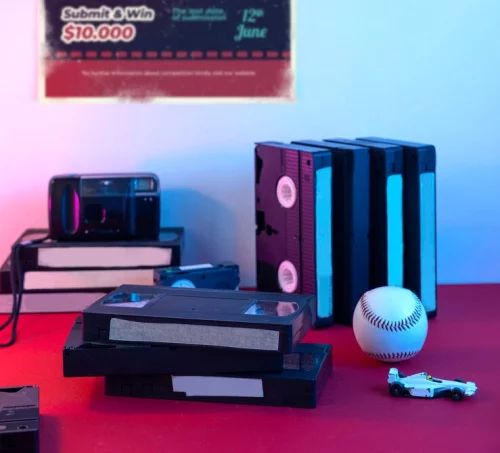
Preserving the emotional value of your videotapes requires meticulous attention to the technical aspects of restoration, such as color correction and noise reduction, to ensure the essence of your memories remains intact. When you watch old moving images, you're not just seeing faded colors or hearing muffled sounds; you're revisiting moments that have shaped you.
Therefore, understanding the intricate processes of color correction means knowing what it means to breathe new life into hues that evoke the original emotions felt years past. Similarly, noise reduction isn't just about removing unwanted sounds; it's about giving clarity to the voices and melodies that resonate with those treasured times.
Personalizing the restoration process offers your memories a second chance to be seen and heard as they were meant to be, ensuring the moving images from years past carry the same emotional weight today. This approach to preserving emotional value goes beyond technical restoration; it's about reclaiming a piece of your history and keeping the connection to those moments alive.
It's a commitment to ensure that every frame of your restored footage not only looks and sounds better but also feels as significant and poignant as it did when you first experienced it.
Frequently Asked Questions
How Do Environmental Factors Like Humidity and Temperature Specifically Affect the Chemical Composition of Videotapes Over Time, and What Are the Thresholds for Safe Storage?
Environmental factors, like humidity and temperature, accelerate chemical breakdown and magnetic decay in tapes. Ideal storage limits prevent oxidation processes and physical warping. Environmental research pinpoints these thresholds to protect tape composition through optimal storage solutions.
What Role Does Machine Learning and Artificial Intelligence Play in Identifying and Repairing Damaged Sections of Videotapes That Are Not Visually Identifiable by Humans?
You'll find machine learning and AI crucial for repairing videotapes. Through algorithm training, they enhance visual recognition, tackling sections unseen by humans. Yet, AI ethics, data accuracy, and cost-effectiveness amidst machine learning limitations remain challenges.
Can Videotapes With Mold or Mildew Be Safely Restored Without Compromising the Original Content, and What Are the Health Risks Involved in Attempting to Clean Them?
You can restore videotapes with mold, but it's risky. Mold removal techniques vary; professional restoration services mitigate material degradation best. Health precautions, like using safety equipment, are crucial to avoid DIY cleaning risks and preserve content safely.
How Do Copyright Laws Impact the Digitization and Sharing of Videotape Content, Especially for Tapes That Include Broadcast Material or Commercial Music?
You need to navigate copyright laws carefully when digitizing videotapes. Consider the Fair Use Doctrine, check Copyright Terms for public domain status, and ensure Copyright Registration doesn't restrict use. Licensing agreements and Digital Rights Management are key.
Are There Any Emerging Technologies That Promise to Enhance the Longevity of Videotapes, or Is the Focus Solely on Converting Them to Digital Formats?
Nearly 90% of videotapes from the 1980s risk magnetic degradation, but emerging tech like nanotechnology coatings and polyester base improvements offer hope. Digital watermarking, cold storage advancements, and archival training programs also enhance preservation efforts significantly.
Order Digital Conversion Today
ORDER TODAYRevolutionary Videotape Preservation Conclusion
In 2024, like the legendary Phoenix rising from its ashes, videotape preservation techniques have been reborn through cutting-edge technology. You've witnessed the metamorphosis from aging magnetic tapes to digital marvels, embracing AI and meticulous color correction for restoration.
This isn't merely about saving tapes; it's a deep dive into our collective memory, ensuring history's pulse beats on for future viewers. Whether opting for DIY or professional services, the essence captured is timeless, breathing life into what was once fading into oblivion.