
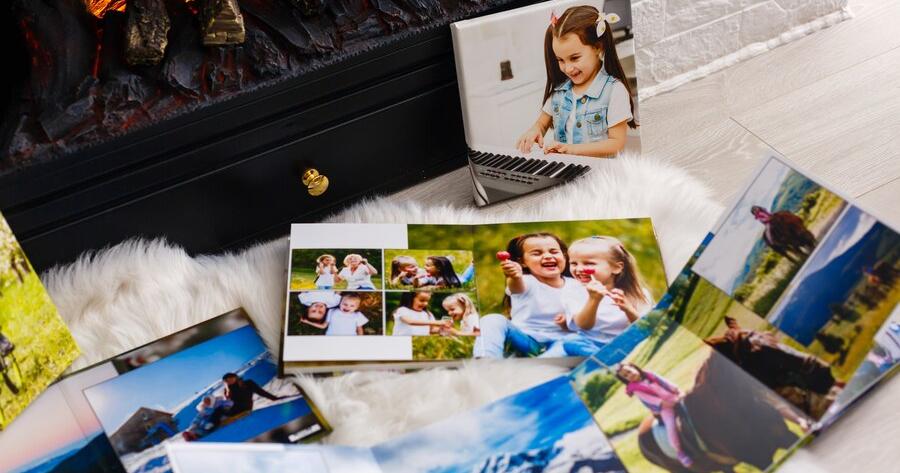
Revolutionary Ways Videotape Preserved Family History
Have you ever considered how revolutionary videotape was for preserving your family's history?
Before its invention, families relied on fragile photographs and handwritten journals to capture their legacies, often resulting in lost or damaged memories.
Thanks to videotape, you now have access to vivid, audiovisual records of your ancestors' lives. It's not just about seeing their faces; it's about hearing their voices, witnessing their mannerisms, and experiencing moments as they did.
As you explore further, you'll uncover the profound impact videotape has had on the way we connect with our past, ensuring that no detail of our family's story is left untold.
Key Takeaways
Videotape revolutionized family history preservation by allowing the recording and preservation of authentic moments and personal experiences.
It democratized video production, giving marginalized groups the opportunity to tell their stories and break the monopoly of traditional media outlets.
The transition to digital archiving ensures longevity and ease of access, breaking down geographical barriers and enriching family stories on a grander scale.
Digital archiving preserves historical footage and family memories, enhances video and audio quality, and facilitates easy sharing, distribution, and manipulation of archived content.
Capturing Authentic Moments
In the realm of preserving family history , videotape has played a pivotal role in capturing authentic moments, allowing individuals to immortalize their personal experiences and milestones with unprecedented immediacy and intimacy. This revolutionary medium transformed how you could document and share your life's narrative, making every recorded birthday, holiday, and spontaneous event a permanent part of your family's legacy.
Video recording allows you to capture the nuance of a loved one's laughter or the subtle expressions of joy during family gatherings , moments that might otherwise fade with memory.
Moreover, videotape became an invaluable tool for Oral History, providing a dynamic way to record and preserve the voices and stories of your ancestors. This wasn't just about retaining facts but about keeping the essence of personalities and life experiences. You weren't limited to written records or still photographs; you could now watch and listen, bridging generations through the power of sight and sound.
This technology empowered you to have a hand in curating your family's history, ensuring that future generations could witness their heritage in a way that books or audio recordings alone could never fully capture. Videotape, in essence, became a time capsule, safeguarding the authenticity of your family's journey through life.
Order Digital Conversion Today
ORDER TODAYEvolution of Home Video
Building on the foundation of capturing authentic moments through videotape, the evolution of home video further expanded how families could document and share their personal narratives, marking a significant shift in media consumption and production. This transformation wasn't just about new technology; it was about giving you the freedom to create, share, and preserve your own stories, breaking the monopoly of traditional media outlets.
-
Transition from Film to Videotape: Initially, home video capitalized on the shift from cumbersome film to more accessible videotape, revolutionizing television production and offering new avenues for artistic experimentation. This change wasn't just technical; it democratized media production, allowing anyone with a video cassette recorder (VCR ) to be a creator.
-
Democratization of Video Production: The ability to produce and distribute moving images enabled marginalized groups to tell their stories, challenging the once exclusive nature of broadcast television. This era saw a proliferation of tape formats, each aiming to make video production more accessible and versatile.
-
Impact on the Film Industry: Videotape didn't just change how you watched TV; it created new markets through video rental, allowing film studios to find a second release window for their movies. This not only benefited the studios but also gave you more freedom in how and when you watched films.
-
Empowerment of Viewers: The advent of the video cassette empowered you by freeing viewers from the constraints of cinema schedules. You could now timeshift TV programs to suit your schedule, capturing and preserving personal and family memories with ease.
Preserving Emotional Connections
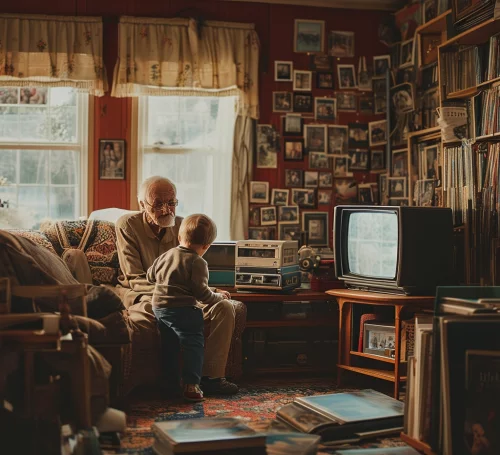
Videotape revolutionized how you preserve family history , enabling the capture of fleeting emotional connections and intimate moments for posterity. This innovative medium empowered you to document personal and family memories, transforming ordinary people into custodians of their own moving image content. The ability to record these moments meant that emotional connections and valuable family narratives could be preserved for future generations, ensuring that the essence of your family's story wasn't lost to time.
The democratization of video technology played a pivotal role in this transformation. It granted you the freedom to capture and share significant moments, reinforcing emotional bonds and family narratives. Video production became an accessible tool for storytelling, allowing you to immortalize life's milestones with a richness and depth that photographs alone couldn't convey. The integration of video effects and artistic experimentation further enhanced the preservation of emotional connections, making each video a unique and visually appealing testament to your family's history.
Moreover, advancements in picture quality have ensured that these precious memories are preserved in the best possible format, allowing future generations to witness and feel these emotional connections as vividly as if they were there. This historical shift in how you document life's moments has forever changed the landscape of family history preservation.
Transition to Digital Archives
As you navigate the evolution of preserving family history , the transition to digital archives marks a significant leap forward, ensuring that your treasured memories are safeguarded for the digital era. This shift not only represents a technological advancement but also a continuation of the democratization process that videotape began.
Here's how the transition unfolds:
-
Video Cassette to Digital: The tactile video cassette, once a symbol of accessible media, now transitions into bits and bytes. This digital metamorphosis ensures longevity and ease of access, transcending the physical limitations of magnetic tape.
-
Rental Market Adaptation: The rental market, pivotal in making films accessible beyond the cinema, evolves. Digital platforms emerge, offering a vast library at your fingertips, further democratizing access to content.
-
Enhanced Preservation: Digital archives offer superior preservation capabilities. Unlike tapes, which degrade over time, digital files remain intact when properly stored, ensuring that future generations can witness family history without loss of quality.
-
Global Sharing: The transition to digital archives breaks down geographical barriers. Sharing family memories becomes a global affair, connecting dispersed family members through the power of shared heritage.
This transition not only preserves but enriches your family's story, offering a freedom that videotape once promised on a far grander scale.
Accessing Past Generations
Exploring past generations through the lens of videotape unlocks a treasure trove of memories, immortalizing moments that would otherwise fade into obscurity. With a video cassette, you're not just a spectator; you're a time traveler revisiting the lives of those who came before you. The act of pressing 'playback' on a machine bridges gaps between generations, offering a palpable sense of connection.
The revolution of videotape did more than just transform television production; it democratized the recording of history. Ordinary people now had the power to document their lives, their struggles, and their achievements.
| Year | Milestone | Impact on Accessing Past Generations |
|---|---|---|
| 1950s | Introduction of Videotape | Made recording accessible and practical |
| 1970s | Home Video Systems | Families began preserving personal histories |
| 1980s | Expansion of Video Content | More genres and events were captured |
| 1990s | Digital Transition Begins | Easier storage, but challenges in playback |
| 2000s | Digital Archiving | Preserves tapes but requires conversion |
In this era, accessing the past isn't just about nostalgia; it's about understanding. It's about the freedom to explore, to learn, and to remember. With just 17 frames per second, a simple video cassette can play back a wealth of history, forever altering how we connect with those who walked the path before us.
Order Digital Conversion Today
ORDER TODAYFrequently Asked Questions
How Can You Preserve Your Own Family History?
You can preserve your family history by embracing digital archiving for longevity, creating memory boxes filled with tangible mementos, and engaging in oral storytelling to pass down tales, ensuring your legacy lives on freely.
Why Is Preserving Family History Important?
Preserving your family history is vital as it strengthens emotional bonds, enriches your cultural identity, and passes down generational wisdom. It's about cherishing freedom, knowing where you come from, and shaping who you are.
How Important Is Preservation of Historical Texts?
Preserving historical texts is crucial; digital archiving and restoration techniques ensure their survival. It's about cultural significance, maintaining our collective memory, and freedom to access our past. You're safeguarding history for future generations.
Revolutionary Ways Videotape Preserved Family History Final Remarks
Videotape played a pivotal role in the heart of your family's story, capturing moments that would've otherwise faded into memory. Remarkably, by the late 1980s, over 60% of households with a VCR were preserving their history on videotape.
This evolution from static photos to dynamic memories revolutionized how we connect with our ancestors, making laughter, tears, and everyday life accessible for future generations.
As we transition to digital, the essence of preserving emotional connections remains, ensuring that every story, every voice, is never lost.