
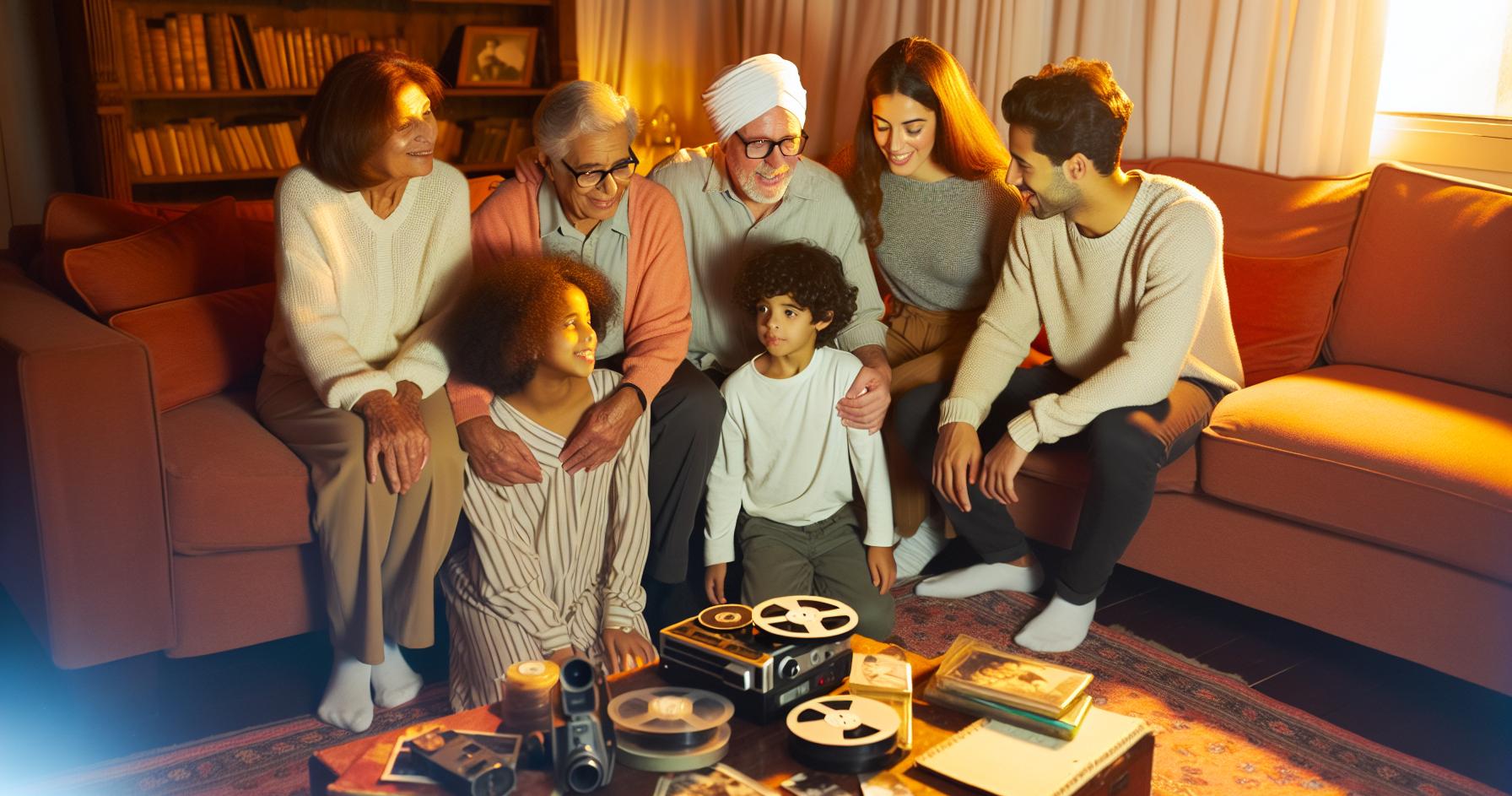
Revolutionize Family History With Videotape: A How-To Guide
Venturing into the vast vistas of your family's past can be a vivid adventure, especially when you're armed with a videotape. You've likely pondered how to preserve the rich tapestry of your family's history, and this guide is designed to demystify that process for you.
By choosing to capture life's fleeting moments on video, you're not just recording events; you're safeguarding emotions, voices, and the very essence of your loved ones for generations to come. This manual will walk you through selecting the right equipment, crafting compelling questions that evoke profound responses, and ensuring your precious recordings withstand the test of time.
But how exactly can you ensure that these digital time capsules capture the depth and breadth of your family's legacy? Stick with us to uncover the secrets to recording and enriching your family's history through the power of video.
Key Takeaways
Videotape revolutionizes family history by capturing visual and auditory memories, adding a multi-dimensional layer to the documentation of family narratives.
Videotape interviews facilitate a deeper connection across generations, bridging generational gaps.
Techniques such as using specific photos as visual aids, audio, and video recording, and preparing a list of topics and key questions enhance the experience of capturing memories visually.
Videotape offers advantages over traditional methods by capturing both visual and auditory elements, recording facial expressions and gestures, and providing a richer context.
The Birth of Videotape
The advent of videotape revolutionized family history . It introduced a dynamic method for capturing both visual and auditory memories, significantly enhancing the preservation and sharing of personal stories and experiences. This breakthrough allowed individuals the freedom to record a family member's oral history with videotape, adding a rich, multi-dimensional layer to the documentation of family narratives. Unlike previous methods, videotape combined the vividness of visual details with the authenticity of spoken words, offering a more comprehensive way to preserve oral history.
By embracing videotape, you're not just recording events; you're preserving the essence of your family's heritage. The ability to capture the nuances of a loved one's expressions, the inflection in their voice, and the setting around them brings an unparalleled depth to family history . It's a method that goes beyond mere facts and dates, diving into the emotional and personal aspects of storytelling.
Moreover, videotape interviews facilitate a deeper connection across generations. They make it possible for future family members to witness and understand their ancestors' experiences and values firsthand. This method of preserving oral history ensures that unique family stories, traditions, and customs aren't lost but shared and cherished, bridging generational gaps with every playback.
Order Digital Conversion Today
ORDER TODAYCapturing Memories Visually
Building on the foundation of using videotape to preserve family histories, let's explore how visually capturing memories enriches the storytelling process. To delve into a family member's story, start by using specific photos to trigger memories during the interview. This method not only serves as a powerful visual aid but also ensures that the essence of their life story is captured authentically.
Consider employing both audio and video recording to create a more comprehensive record of your family history . This dual approach allows for a richer, multi-sensory experience, preserving the nuances of your family member's narratives. Encourage your interviewees to share the stories they wish to pass down, using open-ended questions to foster a space where storytelling flows naturally.
To ensure a focused and fruitful interview, prepare a list of topics and key questions beforehand. This preparation, coupled with research through family archives and online sources, will guide your interview, making it both methodical and meaningful.
Videotape Vs. Traditional Methods
When comparing videotape interviews with traditional methods, it's crucial to understand how the former captures both visual and auditory elements, offering a more immersive storytelling experience. Videotape vs. traditional methods boils down to the depth and vibrancy of the narrative you're able to capture. With videotape, you're not just recording a voice but also the nuances of facial expressions, gestures, and the environment that surround your subject, providing a richer context to their stories.
A special guide to preserving oral history through videotape often provides the questions and techniques needed to delve deeper into someone's life story or interview someone from a particular ethnicity or religion. This approach not only preserves the words but also the essence of the individual. By using questions as a base, you create a structured yet flexible framework that allows for spontaneity and authenticity in responses.
Furthermore, incorporating a section for different ethnicities/religions ensures inclusivity and diversity in the historical narratives being preserved. This method, combined with a list of possible topics and active listening techniques, ensures that the history interview captured on videotape isn't just a record but a vibrant, living document of personal and collective memories.
Enhancing Storytelling Through Video
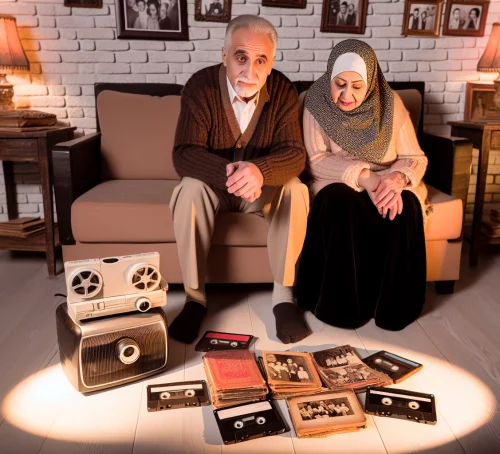
Incorporating video into your storytelling toolkit can profoundly enhance the depth and emotional resonance of your family's narrative. This special guide to preserving oral histories through video not only revolutionizes family history with videotape but also offers a nuanced approach to capturing the essence of your lineage.
Preparing key questions tailored to each stage of life, such as childhood, adolescence, and adulthood, ensures a comprehensive exploration of your family's journey.
To further enrich your project, consider including suggested topics and questions that resonate with different ethnicities and religions, for example, Jewish or African American questions, to highlight the unique cultural heritage and traditions within your family. This methodical approach not only enhances storytelling through video but also strengthens family bonds and fosters a deeper understanding of one's heritage.
Flexibility in recording methods allows for a blend of audio and video options, leveraging photos to trigger memories and facilitate conversations. Organizing and sharing your oral history becomes an essential step in preserving these narratives for future generations.
Collaborating with genealogical societies and digitizing recordings ensures that your family's stories, encompassing a rich tapestry of experiences and cultures, transcend time.
Preserving Videotapes for Future Generations
Having captured the essence of your family's journey through video, it's crucial to now focus on preserving these videotapes for future generations, ensuring their longevity and accessibility. This guide to preserving videotapes for future generations has provided an excellent starting point. By choosing the right recording method that aligns with the interviewee's comfort, you've laid a solid foundation.
Now, to preserve these invaluable narratives, it's essential to delve into the specifics. Storing tapes in a cool, dry place minimizes the risk of degradation. Digitizing these recordings ensures they're preserved in a format less susceptible to physical decay. This special section is logically organized for different stages of life and provides a structured approach to safeguarding your family's legacy.
Order Digital Conversion Today
ORDER TODAYFrequently Asked Questions
What Is the Best Way to Record Family History?
The best way to record family history involves blending digital archiving, photo albums, and memory boxes. For a comprehensive approach, utilize online platforms, genetic testing, and cultural traditions while integrating personal diaries and community storytelling.
What Is the Best Way to Document Family History?
To hit the nail on the head documenting family history , consider digital scrapbooking, ancestry DNA, and photo archiving. Dive into memory boxes, online timelines, and genealogy software for heirloom preservation and interactive storytelling.
How Do You Record Family Oral History?
To record a family oral history, start with interview preparation and selecting the right technical equipment. Choose a comfortable location, get consent, and use story prompts for rich content. Provide emotional support, edit carefully, and choose sharing platforms wisely.
How Do You Write Family History Step by Step?
Rome wasn't built in a day, and neither is your family history . Start by choosing topics, preparing interviews, and selecting locations. Use storytelling techniques, learn editing basics, practice archiving, consider privacy, and choose sharing platforms wisely.
Revolutionizing Family History With Videotape Concluding Thoughts
So, you're about to revolutionize your family's dusty archives with videotape, transforming those yawn-inducing, written memoirs into something actually watchable. Congratulations!
By embracing the magnetic tape, you're not just preserving history; you're ensuring future generations have a vivid reminder of why they're endlessly fascinated by their ancestors' quirks.
No pressure, but it's on you to meticulously capture every detail, lest your descendants are left deciphering ancient texts. Happy filming—make every pixel count in this noble quest for familial enlightenment.