
Revolutionizing Family History Preservation With Videotape
You've likely heard the theory that videotape has revolutionized the way we preserve family history , transforming mere memories into tangible, replayable moments. By capturing the laughter, the accents, and even the subtle glances that photos alone can't convey, videotape offers a uniquely immersive dive into our past.
But as you ponder the shelves of tapes or digital files you've accumulated, you might wonder whether this revolution has truly made preservation simpler and more accessible or if it's simply added another layer of complexity to an already daunting task.
As we explore the evolution of videotape technology and its impact on personal historical narratives, you'll discover not just the convenience and efficiency it brings but also the challenges and opportunities it presents for truly personalizing our family histories.
Key Takeaways
-
Blend spontaneity with a methodical approach to preserve family history with historical accuracy and emotional depth.
-
Understand the robustness of digital preservation and be aware of challenges in preserving digital data.
-
Mitigate risks by choosing dependable media and creating redundant copies of family history .
-
Transform preservation into a collaborative and dynamic process, overcoming physical limitations and geographic barriers to easily share digital records online and engage family members across generations and distances.
Capturing Authentic Moments
To capture authentic moments effectively, you'll often need to blend spontaneity with a methodical approach, ensuring each memory is preserved with historical accuracy and emotional depth. Capturing authentic moments isn't just about hitting record; it's about understanding the fleeting nature of memory and the robustness of digital preservation.
The advantage of digital storage isn't just its cost-effectiveness but its ability to withstand the tests of time far better than physical materials. However, as you dive into this endeavor, make sure you're aware of the challenges that come with preserving digital data. Media failure, bit rot, and the risk of data loss are common problems that can distort or erase those precious memories. The obsolescence of technology and software further complicates the process, making it essential to adopt strategies that mitigate these risks.
Choosing dependable media and creating redundant copies are critical steps. Moreover, ensuring data integrity and security is paramount. Validation processes and limiting access to your archive site help maintain the purity of your captured moments. By adopting a detailed and methodical approach, you're not just preserving memories; you're safeguarding your family's history for generations to come, ensuring freedom from the constraints of time and technology.
Order Digital Conversion Today
ORDER TODAYEasy Access and Sharing
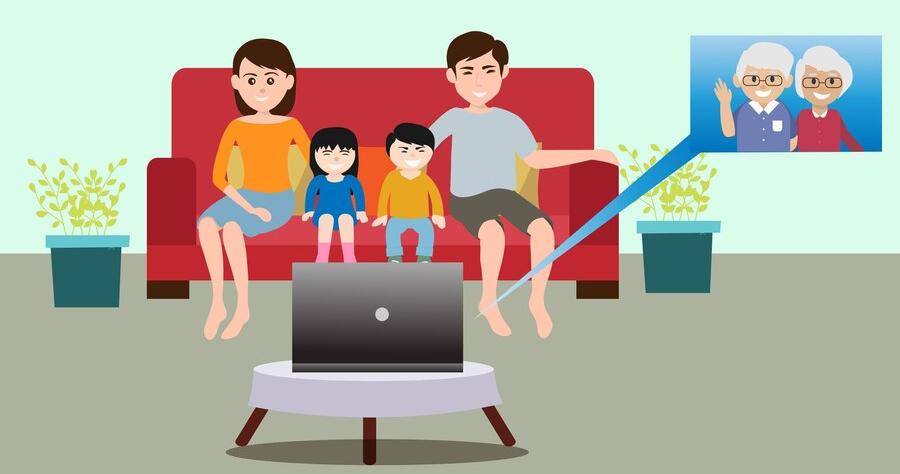
In the digital era, easy access and sharing transform the preservation of family history into a collaborative and dynamic process, engaging family members across generations and distances. You're no longer bound by physical limitations or geographic barriers. The ease with which you can share digital records online means that your family's legacy is just a click away, accessible to anyone, anywhere, making the world a lot less vast.
| Before Digital Era | With Easy Access and Sharing |
|---|---|
| Limited by physical distance | Boundless connectivity |
| Information siloed in hard copies | Collaborative digital archives |
| Stories lost over time | Preserved for future generations |
| Access reliant on physical presence | Remote accessibility |
This seamless integration of technology into the fabric of family history preservation means you're part of creating a lasting legacy that transcends time and space. By making it easier to access and share these precious memories, you're ensuring that future generations have a solid foundation to understand their heritage. It's a testament to the power of connection, underscoring that, in this digital age, preserving family history requires less effort but offers more freedom.
Durable Storage Solutions
When preserving your family's history in the digital realm, it's crucial to choose storage solutions known for their durability and resistance to data degradation. Opting for dependable media, like a hard drive that doesn't succumb to bit rot, ensures your memories stand the test of time. Yet, one must tread carefully; a single hard drive, no matter how robust, isn't a panacea.
Embrace redundancy in your durable storage solutions. By creating multiple copies of your data, you spread the risk, making it less likely that a single failure could erase your legacy.
But don't stop there. To truly safeguard your history, storing copies in geographically separate locations is key. This strategy protects against disasters that could otherwise obliterate your digital records in one fell swoop. For the utmost security, consider leveraging dedicated preservation facilities. These sites are fortresses for digital content, offering specialized environments designed for longevity.
Lastly, diversify your approach by employing various vendors for media and software. This eliminates the threat of systemic failures, ensuring your family's history remains accessible for generations. This methodical, historical approach to durable storage solutions grants you the freedom to preserve your legacy without fear of loss or degradation.
Evolution of Videotape Technology

From its inception, videotape technology has undergone a transformative evolution, shifting from magnetic tape formats to the digital recording realms of DV and MiniDV, revolutionizing both home entertainment and professional video production.
Years ago, the world was introduced to the marvels of magnetic tape, enabling the recording and playback of audio and video signals. This was just the beginning.
The evolution of videotape technology took a significant leap with the advent of VHS and Betamax formats. Suddenly, recording and playing back television programs and movies at home wasn't just possible; it was easy and accessible. This era marked a pivotal point, providing people with unprecedented freedom to consume and create media on their own terms.
As technology advanced, professional broadcast and production industries weren't left behind. They embraced formats like Betacam and U-Matic, catering to the need for high-quality video recording and editing. The progression didn't stop there.
The digital age brought about DV and MiniDV, ushering in higher quality and easier editing capabilities. Furthermore, the emergence of high-definition formats such as HDV and DVCProHD elevated visual fidelity, meeting the ever-growing demand for superior video production.
This journey through the evolution of videotape technology reflects a relentless pursuit of innovation, empowering individuals to preserve and share their stories with clarity and precision.
Personalizing Historical Narratives
By incorporating family stories and anecdotes, you breathe life into the broader tapestry of historical narratives, ensuring a deeply personalized connection to the past. Personalizing historical narratives isn't just about adding a personal touch; it's about revolutionizing family history preservation. You're not just documenting dates and events; you're capturing the essence of your ancestors' experiences, making history accessible and relatable.
-
Adding Depth to Historical Events
-
Incorporating photographs and videos: These visual elements transform abstract historical facts into vivid, relatable stories.
-
Including personal artifacts and documents offer an unparalleled glimpse into your ancestors' lives, providing context to the historical events they experienced.
-
Sharing personal experiences and emotions: This creates an emotional bridge, allowing future generations to connect with their heritage on a deeper level.
-
Creating a Living Family Tree
-
Constructing a family tree isn't just about tracing lineage; it's about showing the interconnectedness of your family's story with the fabric of history. This enhances the narrative, making it more engaging and meaningful.
Order Digital Conversion Today
ORDER TODAYFrequently Asked Questions
How Do You Record Oral Family History?
To record oral family history , you'll need to master interview techniques and ensure clear audio quality. Start by preparing questions, then record in a quiet room. Preserve these recordings methodically, honoring your ancestors' legacies.
How Do You Preserve Family History Documents?
To preserve family history documents, you'll want to start by digitizing photos and ancestral artifacts. This methodical approach ensures their longevity and offers the freedom to access and share your heritage from anywhere.
What Is the Best Way to Store Family History Documents?
The best way to store your family history documents is by using digital platforms for secure, accessible preservation and maintaining them in climate-controlled environments to protect against degradation. This ensures your heritage's freedom from loss or damage.
How Can You Preserve Your Own Family History?
To preserve your family history , consider digital storytelling. Over 80% of people now digitize photo albums to ensure longevity. This methodical approach grants you the freedom to access memories from anywhere, anytime.
Revolutionizing Family History Preservation With Videotape Final Remarks
In the tapestry of time, you've wielded the magic of videotape to weave your family's narrative into the digital era. This isn't just about capturing moments; it's about preserving the essence of your lineage for eons.
With each clip, you've not only saved memories but also ensured they're a button click away for kin near and far. As technology marches on, your family's saga, encapsulated within bits and bytes, stands as a testament to your foresight in embracing this digital alchemy.