
The Evolution of Videotape and Family History Preservation
Like a river constantly reshaping its banks, the evolution of videotape has transformed the landscape of family history preservation. You've likely experienced the nostalgia of dusting off old videotapes , those relics of birthdays, holidays, and candid family moments, only to find that time has not been kind to them.
You're not alone in this. Many have turned to digitization, a process that promises to safeguard these memories against the relentless march of time. This shift from the tangible to the digital raises vital questions about the future of our family archives.
Will these efforts withstand the test of time, or are we on the brink of losing a part of our history forever? As you contemplate the implications of this evolution, consider the potential paths we might take to ensure our past remains a vivid part of our future.
Key Takeaways
Videotape revolutionized family preservation in the mid-20th century.
Technological advancements have revolutionized the preservation of family videos.
Digitizing family videos safeguards against physical decay and allows for revisiting and sharing.
Transitioning family memories to digital formats ensures longevity and accessibility.
The Dawn of Videotape
In the mid-20th century, the advent of videotape revolutionized how families preserved their most cherished memories, shifting from fragile and deteriorating film to a more durable and accessible format. Previously, safety film, though less combustible than its nitrate predecessor, faced inevitable degradation over time. It'd shrink, lose color, and emit a vinegar smell, especially under warm and humid conditions. Such environments would accelerate the deterioration process, endangering the preservation of invaluable home videos.
The introduction of video cameras offered a groundbreaking solution. Families could now capture and revisit their celebrations, anniversaries, and everyday moments without the fear of these memories fading away. However, these videotapes, including formats like Hi8, MiniDV, Betamax, and VHS, weren't immune to the ravages of time and climate. Digitization emerged as a crucial step in safeguarding these visual records for future generations.
Preservationists like Taylor Whitney, who founded Preserving the Past in 1997, recognized the urgency of this endeavor. Despite facing obstacles such as limited resources and changing regulations, their commitment to preserving cultural collections underscored the importance of transitioning from traditional video formats to digital. This ensures that the freedom to relive and share family history remains unimpeded by the physical limitations of videotapes.
Order Digital Conversion Today
ORDER TODAYImpact on Family Memories
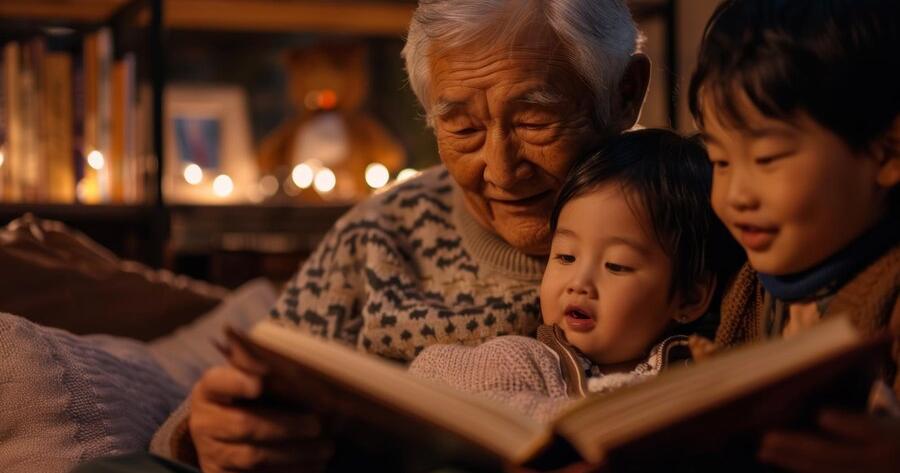
Why do family videos have such a profound impact on our memories and identity? These visual time capsules capture the essence of our years past, embedding family memories deep within our identity. Preserving family video memories isn't just about holding onto the past; it's about ensuring that the laughter, tears, and milestones are passed down, keeping the family narrative alive for future generations.
Formats like Hi8, MiniDV, Betamax, and VHS have cradled these memories but are susceptible to deterioration over time. This reality underscores the importance of digitizing family videos. Converting these tapes into digital formats doesn't merely safeguard against physical decay; it grants freedom. Freedom to revisit, share, and celebrate moments that might otherwise fade away.
Moreover, cold storage presents a methodical approach to slowing down the aging process of these tapes, adding an extra layer of preservation. Beyond the technical, the act of preserving family memories through video fosters a sense of belonging, continuity, and heritage. It's a deliberate choice to ensure that family identity isn't just a relic of the past but a living, evolving story.
Technological Advancements
As we consider the profound impact of family videos on our memories and identity, it's crucial to explore how technological advancements have revolutionized their preservation. The leap from analog to digital has opened up a myriad of possibilities for safeguarding our cherished moments. You're no longer constrained by the physical limitations of videotapes; instead, you can embrace the digital era, where your memories are just a click away.
Technological advancements have facilitated:
Digital preservation: Transitioning from safety film to digital formats ensures that your family's history will withstand the test of time.
Digitization of videotapes: converting old tapes into digital files allows easy access and sharing among family members, ensuring no moment is lost.
Cold storage technologies: employing state-of-the-art solutions to extend the lifespan of your recorded memories significantly.
Advanced scanning equipment and software: guaranteeing the accurate and high-quality digitization of photographs and documents.
Efficient storage on hard drives: offering vast capacities for storing digitized memories, making them retrievable and secure.
These advancements give you the freedom to preserve, access, and relive your family's pivotal moments with ease, ensuring that every anniversary, celebration, and milestone is kept alive for generations to come.
Transition to Digital
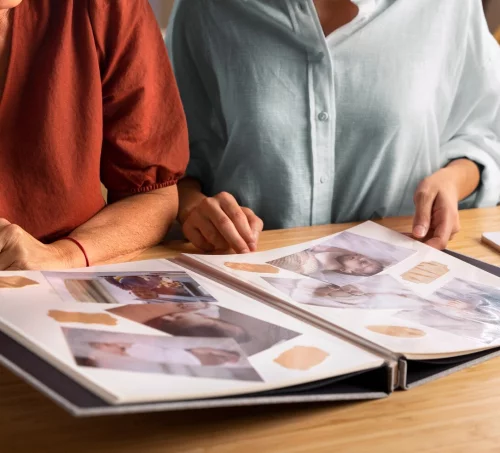
Transitioning your family's cherished film and video memories to digital formats is a crucial step for ensuring their longevity and accessibility. When you make the shift to digital, you're not just preserving those precious moments against physical decay, but you're also unlocking a new level of freedom. You gain the ability to easily access, share, and duplicate memories without the risk of degrading the original material.
Digital formats offer significantly better stability and longevity compared to traditional physical film and video. This means that your family's history, encapsulated in negatives and slides, can be safeguarded for future generations with minimal risk of loss. The process involves converting these physical media into digital files, which can then be stored on various digital platforms, including external hard drives, ensuring both security and ease of access.
Preservationists strongly recommend this transition, highlighting its importance in the preservation of family history . By converting to digital, you're not just protecting these memories from the inevitable wear and tear of time; you're also ensuring that they remain part of your family's legacy, easily accessible and shareable for years to come.
Future of Family Archives
After ensuring the longevity and accessibility of your family's memories through digital conversion , it's time to explore the innovative possibilities that the future of family archives holds. As you embark on this journey for the first time, consider the advancements that promise to revolutionize how we preserve, interact with, and share our familial legacies.
-
Cloud Storage Solutions: Secure and convenient, cloud storage offers an endless digital space for your archived memories. It's a leap towards ensuring that your family's history is preserved for generations to come, accessible anywhere, anytime.
-
Digital Archiving Solutions: These tools not only store but also help in organizing your family archives, making them easily searchable and more meaningful.
-
Virtual and Augmented Reality: Imagine walking through your ancestral home or reliving a family wedding through VR or AR. These technologies are set to transform your archive into an immersive experience.
-
Artificial Intelligence and Machine Learning: AI can auto-categorize, tag, and even restore old photographs and videos, making the daunting task of sorting through decades of memories a breeze.
-
Collaborative Platforms and Social Media: Sharing and contributing to a collective family archive fosters a deeper connection. These platforms ensure that every family member, near or far, can add to and partake in the family's shared history.
The future of family archives isn't just about preservation but about bringing the past to life in ways you've never imagined.
Order Digital Conversion Today
ORDER TODAYFrequently Asked Questions
How Are Historical Documents Preserved?
To preserve historical documents, you'd digitize them, ensuring a digital transformation of the content. Additionally, maintaining climate control in storage areas is crucial to prevent deterioration. These steps meticulously safeguard our heritage for future enjoyment.
How Important Is Preservation of Historical Texts?
Preserving historical texts is crucial for understanding cultural impact and technological advancements. It lets you connect with past generations, learn from their insights and struggles, and ensure freedom to shape a better, informed future.
How Do I Preserve Archived Documents?
To preserve your archived documents, think of digital conversion as a lifeboat in a sea of uncertainty. Store originals in climate-controlled conditions and regularly review their state to ensure they're always in prime condition.
The Evolution of Videotape and Family History Preservation Concluding Remarks
As you've journeyed from the grainy, nostalgic reels of yesteryears to the crisp, cloud-stored memories of today, it's clear that the evolution of videotape is akin to upgrading from a horse-drawn carriage to a sleek electric car.
This technological leap ensures that family histories, once vulnerable to time's relentless march, are now preserved in digital fortresses. By digitizing these precious moments, you're not just saving memories; you're securing a legacy for future generations.
Making every pixel count in the vast tapestry of family history .