

The Game-Changing Impact of Videotape on Family History
You've captured birthdays, holidays, and those fleeting, everyday moments; you've preserved voices, laughter, and the dynamic essence of family gatherings . With the advent of videotape, you've been given a tool that has fundamentally altered how you cling to memories, how you understand your lineage, and how you connect with relatives you might never have met.
Videotapes have revolutionized the way we document life's milestones and provided a tactile link across the temporal divide, offering a vivid glimpse into the lives of ancestors that mere photographs or written records could never achieve.
As you stand on the brink of this technological marvel, you might wonder how these seemingly simple tapes have woven themselves so deeply into the fabric of family legacy and what challenges and opportunities lie ahead in ensuring their preservation for future generations to explore.
Key Takeaways
-
Videotape revolutionized the documenting and preserving of family histories, making it accessible to many.
-
Capturing everyday moments on videotape adds authenticity, context, and nostalgia to the family narrative.
-
Both videotape and traditional photography serve as vital conduits to the past, with videotape capturing fluidity and photography offering symbolic anchors.
-
Sharing memories across generations through nostalgic video games strengthens family connections and creates lasting memories.
Early Videotape Innovations
Early videotape innovations revolutionized the way families captured and preserved their histories. They offered a groundbreaking medium to document and cherish life's significant moments with unmatched ease and accessibility. These advancements weren't just about technology; they were about freedom—the freedom to put together a family history in moving images to capture the fleeting moments that words could never fully encompass.
With the introduction of portable videotape recorders, you weren't tied down. With the same device, you could record the mundane and the monumental, from baby's first steps to grandpa's 80th birthday celebration, in the comfort of your own home or on the go.
This democratization of media meant that preserving family history was no longer a privilege for the few but an option for many. Suddenly, you'd the power to shape your family's narrative, to decide what moments mattered and deserved to be remembered. The ability to duplicate and share these memories further strengthened bonds, as stories could be passed down and experienced across generations.
Early videotape innovations didn't just change the way families looked at their past; they transformed the very act of remembrance, making it a shared, dynamic journey.
Order Digital Conversion Today
ORDER TODAYCapturing Everyday Moments
Building on the foundation laid by early videotape innovations, capturing everyday moments has become an integral part of preserving family history , allowing for a deeper, more personal narrative to unfold. You've likely realized that these seemingly mundane instances—breakfasts shared, lazy afternoons, and spontaneous laughter—serve as the threads that weave the rich tapestry of your family's narrative. As technology has democratized video creation, you now hold the power to immortalize these flashes of life, ensuring they're cherished by future generations.
Consider these pivotal aspects when capturing everyday moments:
-
Authenticity: Genuine interactions between family members, unfiltered and raw, resonate deeply, capturing the essence of familial bonds.
-
Detail: The devil's in the details. Don't overlook the background, the setting, or the time of year, especially during the holiday season, which adds a layer of context and nostalgia.
-
Perspective: Shift your lens occasionally. Capture the world from the viewpoint of different family members to enrich the narrative diversity.
-
Evolution: Regularly documenting these moments showcases the dynamic nature of your family, how each member grows, and how relationships evolve over time.
This analytical approach ensures that you're not just recording events but crafting a legacy, offering a sense of freedom and continuity to those who come after.
Videotape Vs. Traditional Photography
As we delve into the comparison between videotape and traditional photography, it's crucial to understand how each medium uniquely captures and preserves our family histories.
Videotape offers a dynamic glimpse into the past, bringing to life voices, movements, and moments that stand still in time. It's a medium that allows you to relive experiences, echoing laughter and conversation, making it a profound tool for connecting with those who've come before us.
On the other hand, traditional photography holds its charm and significance. Each photograph is a frozen moment, offering a silent yet powerful visual narrative of our family's journey. These images become iconic representations of specific times, places, and emotions, easily shared and displayed, weaving a visual tapestry of our ancestry.
While videotape captures the fluidity of life's moments, traditional photography offers snapshots that become symbolic anchors in our family's storyline. Both mediums serve as vital conduits to the past, yet they do so in distinctly different ways.
Videotape brings the past to life in motion, while traditional photography crystallizes moments for reflection. Choosing between them isn't necessary; instead, embracing both means enriching your family history with a wealth of perspectives and memories.
Sharing Memories Across Generations
Bridging the gap between generations, nostalgic video games serve as a unique conduit for sharing memories and experiences within families. You've likely felt the rush of nostalgia when booting up an old game console, a feeling that transcends age and time. These video games, with their simpler mechanics and iconic characters, offer a shared space where stories and laughter can flow freely between parents, children, and even grandparents.
Consider the emotions evoked when families gather to engage in these timeless classics:
-
Joy: The laughter fills the room as you navigate Mario Kart's Rainbow Road, a track infamous for its challenging turns and competitive nature.
-
Nostalgia: The warm, fuzzy feeling you get when the Super Mario theme song plays, transporting you back to your childhood.
-
Camaraderie: The sense of team spirit and unity when you and your family strategize to beat levels in Space Invaders, reinforcing bonds.
-
Pride: The confidence boost and sense of achievement you experience when you finally complete a particularly tough level, which is celebrated by your cheering family.
These shared experiences not only improve mood and reduce stress but also enhance family connections, creating a rich tapestry of memories that last a lifetime.
Digital Conversion and Preservation
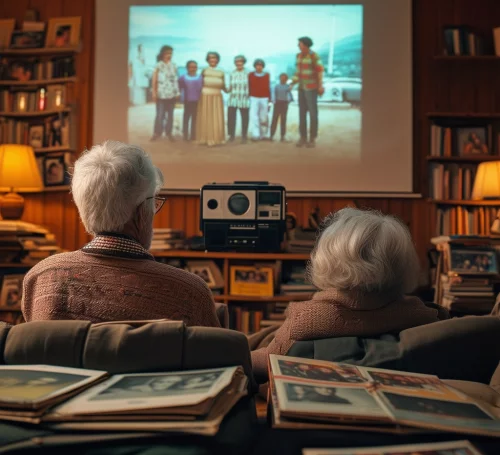
In today's digital era, converting your cherished family videotapes into digital formats is a crucial step toward preserving those irreplaceable memories for future generations. Digital conversion and preservation aren't just about holding onto the past; they're about embracing the freedom to access, share, and enjoy these memories in ways that were unimaginable when those tapes were first recorded.
Imagine being able to play video games with family members featured in decades-old videos, bridging generations through shared experiences.
This process involves more than merely transferring content from analog to digital; it's about ensuring that these treasured moments stand the test of time. Selecting high-quality digital formats and reliable storage options is vital. It's not just about having the videos in a new format but ensuring their longevity and integrity.
Cloud storage and digital libraries offer organized and accessible homes for these digital memories, but remember, regular backups are your safety net against data loss or corruption.
Order Digital Conversion Today
ORDER TODAYFrequently Asked Questions
How Video Games Affect Families?
Video games bridge generational divides, fostering family bonding. With the right parental control, they're a tool for connection, not isolation. They offer shared experiences, reducing stress and enhancing emotional ties across generations.
How Did Video Games Impact History?
Video games have revolutionized history by fostering interactive learning, driving cultural shifts, and stimulating economic growth. They've not only entertained but also educated, connecting generations and reshaping societal norms around digital interaction and storytelling.
What Are the Influence of Video Games on Children Cause?
Video games are a double-edged sword: they can sharpen learning enhancement and cognitive abilities but also model behavior that may reduce social skills. It's crucial to balance gaming with active, real-world social interactions.
How Video Games Change People?
You've seen how video games change people: they can lead to game addiction and social isolation yet also foster skill development. Balancing gameplay with real-world interactions is key to harnessing their benefits while avoiding pitfalls.
Impact of Videotape on Family History Final Remarks
In conclusion, videotape's impact on family history isn't just nostalgic; it's transformative. By capturing the nuances of daily life, it offered something photography couldn't: motion and sound, bringing ancestors to life.
Now, as you digitize these tapes, you're not just preserving memories; you're unlocking a treasure trove of family lore for future generations. This digital leap ensures that the intimate, candid essence of your family's past isn't just remembered but experienced.
Videotape, thus, revolutionized familial storytelling, making every playback a journey through time.