
Unveiling the Evolution of Videotape: 6 Essential Tips for Family Heritage
As time marches on, the tapes that hold your family's most precious memories face their own silent battles against degradation. You've likely amassed a collection of videotapes brimming with irreplaceable moments, yet without proper care, they're at risk of becoming nothing more than relics of the past. In navigating the intricate journey of preserving these treasures, there are six pivotal steps you must consider.
From ensuring they're stored in a cool, dry place away from the unforgiving rays of the sun to the modern necessity of digitizing them for future generations, each action you take is a step towards safeguarding your family's heritage. But how exactly do you go about this process, and what hidden challenges might you encounter along the way?
Let's embark on a quest to preserve these windows into the past and understand the evolution of videotape technology, which has made capturing these moments possible.
Key Takeaways
-
Videotape technology revolutionized the capturing and preservation of family histories, democratizing family history and making it accessible to everyone.
-
Transitioning from analog to digital preserves family heritage in an accessible and enduring format. It is important to research and select a reputable service provider for digitization, organize and catalog digital files for easy access, and backup digital files to protect against data loss.
-
Preserving videotapes poses challenges such as magnetic tape deterioration, obsolescence of playback equipment, and physical damage. Proactive measures such as storing tapes away from magnetic fields, finding reputable services or acquiring equipment for digitization, and careful handling and storage can help mitigate these challenges.
-
Modern methods for videotape conversion include professional services or a DIY approach. Factors such as budget, volume of tapes, and desired involvement in the process should be considered when choosing a method. It is important to select a conversion service that offers multiple format options, professional editing, and secure shipping and handling.
The Dawn of Videotape Technology
How did the advent of videotape technology revolutionize the way we capture and preserve family histories?
Before this groundbreaking innovation, documenting your family's legacy meant relying heavily on static images or hiring a professional photographer for events. Videotape technology, however, handed the power of storytelling back to the people.
It allowed for the dynamic preservation of life's fleeting moments - the laughs, the tears, and the unspoken bonds that photos alone can't convey.
One of the things you'll find with videotape is the ability to capture the essence of family gatherings , traditions, and anecdotes in real-time. This immediacy and authenticity make family history a living, breathing narrative rather than a collection of stagnant images. As you delve deeper, you find more information about your roots, cultivating a richer understanding of your heritage.
Moreover, videotape technology empowered individuals to become the documentarians of their own stories. No longer was it necessary to rely solely on a professional photographer to encapsulate the essence of family events.
This shift not only democratized the recording of family history but also made it an important thing accessible to everyone, ensuring that future generations can relive and cherish these invaluable moments.
Order Digital Conversion Today
ORDER TODAYKey Milestones in Videotape Development
Delving into the milestones of videotape development reveals a fascinating journey from the Ampex Corporation's groundbreaking VRX-1000 in 1951 through the era-defining format wars to the advent of digital recording technologies that reshaped our approach to capturing family memories. This history isn't just good information; it's a great opportunity to understand how we've arrived at the current state of video recording.
The first thing to note is the birth of videotape, a revolution that made recording and playback a reality for broadcasters. Then, in 1965, Sony introduced the 1-inch Type B videotape, opening up different possibilities for portable recording and editing, bringing a new kind of stuff into the hands of creatives and families alike.
As you dive deeper, you'll encounter the VHS vs. Betamax battle, a key milestone in videotape development that ultimately saw VHS emerge as the dominant consumer format. This wasn't just about technology; it was about setting a standard that would define home entertainment for decades.
The journey doesn't end there. The rise of VHS-C made video recording more accessible than ever, paving the way for the digital revolution with the emergence of Digital Betacam. This shift towards digital formats marked a new era in capturing memories, offering unprecedented quality and convenience.
Transitioning From Analog to Digital
Transitioning from analog to digital offers families an invaluable opportunity to preserve their heritage in a format that's both accessible and enduring. As you delve into this process, understanding the benefits becomes crucial. Digitizing analog materials not only safeguards them against physical deterioration but also makes sharing memories across the globe a breeze.
Researching and selecting a reputable service provider is key to embarking on this journey. These experts can help you find the best solutions tailored to your needs, ensuring your treasured tapes transform into high-quality digital formats. For small family projects or larger archives, the right partner can make the transition smoother and easier to understand.
Once your materials are digitized, organizing and cataloging your digital files is essential for easy access. Consider multiple secure backup options to protect against data loss. Moreover, exploring digital editing tools can enhance the quality of your digitized content, bringing old memories back to life with clarity.
This transition not only modernizes your family heritage but also brings family members together, creating a bridge between past and present. With these steps, transitioning from analog to digital becomes a journey of preservation, allowing every small family to safeguard their stories for generations to come.
Preserving Videotapes: Challenges and Solutions
While preserving videotapes presents unique challenges, understanding the right solutions can significantly ease the process. You'll start by recognizing that videotapes are fragile and susceptible to degradation over time. There's a lot you can do to combat this and ensure your family's memories are preserved for generations.
-
Challenges and Solutions
-
Magnetic Tape Deterioration: This is one of the ones that really helps to know about. Solutions include:
-
Keeping tapes in a cool, dry place away from magnetic fields.
-
Digitizing your tapes to mitigate the risk of physical decay.
-
Obsolescence of Playback Equipment: I highly recommend acting sooner rather than later. Solutions involve:
-
Find a reputable service that can transfer your content to digital formats.
-
Purchasing or renting playback equipment to facilitate the digitization process yourself.
-
Physical Damage: Tapes can easily become damaged. To prevent this:
-
Store tapes vertically to avoid compression and warping.
-
Regularly inspect tapes for signs of mold or damage and take immediate action.
Modern Methods for Videotape Conversion
As you venture into the realm of modern videotape conversion , you're faced with two primary paths: opting for professional digitization services or embracing the DIY approach with a high-quality video capture device .
Each method has its merits, with professional services offering unmatched quality and reliability, while the DIY route provides a more personal and hands-on experience.
It's crucial to weigh these options carefully, considering factors like budget, volume of tapes, and desired involvement in the process, to select the method that best aligns with your goals for preserving your family's heritage.
Choosing Conversion Services
When choosing a service for converting your family's videotapes to digital formats, it's crucial to select one that offers high-quality digital transfers, ensuring the longevity and preservation of your cherished memories. Here are key considerations:
-
Choosing Conversion Services
-
Multiple Format Options: Ensure the service provides files in formats like MP4, MOV, or AVI. It's not just about converting ; it's about ensuring compatibility with all your devices. I've heard this is really good for flexibility.
-
Professional Editing Options: Look for services offering color correction and audio enhancement. This can take one of your old, grainy videos and transform it into something you're going to try showing at every family gathering.
-
Secure Shipping and Handling: Choose a company that guarantees the safety of your tapes. You'll be trusting them with your irreplaceable memories.
DIY Conversion Basics
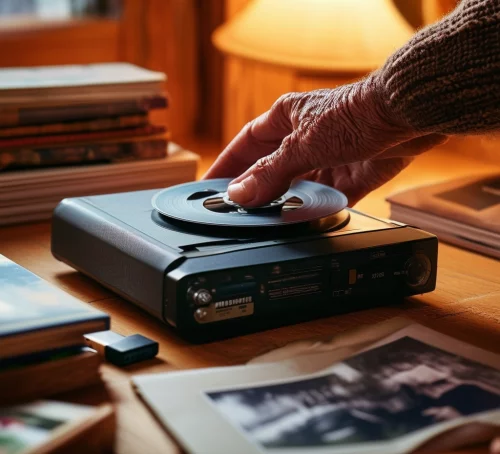
After exploring professional conversion services, you might find that embracing DIY conversion basics offers a hands-on approach to preserving your family's videotape heritage with modern methods.
Well, I'm looking at the core of DIY conversion basics, which involves utilizing contemporary technology and software. This route isn't only cost-effective but also empowers you with the freedom to convert your cherished videotapes at home.
You're going to need a computer, a video capture device , and video editing software.
Really, it's about unveiling the evolution of videotape by bringing those precious memories into the digital age.
Safeguarding Your Family's Videotaped Memories
To safeguard your family's videotaped memories, it's crucial to understand the technological and environmental factors that can threaten their longevity. Unveiling the evolution of videotape provides a backdrop for appreciating the essence of these recordings in chronicling family heritage. Given the advancements in technology, especially noted by experts like Lisa Louise Cook and Diane Southard, it's essential to integrate modern preservation strategies.
Here are essential tips for safeguarding your family's videotaped memories:
-
Store in a Cool, Dry Place
-
Avoid attics and basements prone to temperature fluctuations and moisture.
-
Use acid-free boxes for additional protection.
-
Digitize for Longevity
-
Convert videotapes to digital formats to prevent degradation over time.
-
Create multiple backups on different platforms (cloud, external hard drives).
-
Handle with Care
-
Minimize direct contact with the magnetic tape.
-
Fast forward and rewind tapes periodically to prevent sticking.
Adopting these practices is imperative for preserving family heritage, especially for loved ones who have passed away. They ensure the physical safeguarding of your family's videotaped memories and guarantee that future generations can access and cherish these invaluable glimpses into the past.
Order Digital Conversion Today
ORDER TODAYFrequently Asked Questions
How Much Does It Cost to Be on FINDING YOUR ROOTS?
The cost of being on 'Finding Your Roots' varies depending on participation criteria and the application process. While the show covers research and DNA tests, you might pay for travel to filming locations. Celebrity involvement and episode duration also influence costs.
What DNA Company Does FINDING YOUR ROOTS Use?
Ironically, you're diving into your past while worrying about privacy concerns. Finding Your Roots uses AncestryDNA, FamilyTreeDNA, and 23andMe to analyze genetic markers, trace ethnic origins, and navigate vast ancestry databases with detailed sample processing and results interpretation.
How Can I Trace My Ancestry Without DNA?
To trace your ancestry without DNA, delve into census records and library archives. Engage with historical societies, capture oral histories from relatives, and scour online forums. Family photos also reveal untold stories, enriching your search.
Why Is It Important to Record Family History?
Recording family history isn't just about preserving memories; it's about the storytelling value, cultural heritage, and emotional connections that foster generational bonding within a historical context. It's your freedom to explore and honor your roots.
Unveil The Evolution of Videotape Final Thoughts
In the ever-changing landscape of technology, preserving your family's videotaped heritage is like navigating through a maze of memories. By embracing these six pivotal tips, you're not just storing tapes; you're safeguarding your lineage's legacy against the sands of time.
From the cool, dry storage to the digital conversion frontier, each step is crucial in ensuring these irreplaceable memories stand the test of time. It's an informed, methodical journey towards immortalizing your family's cherished moments for generations to come.