
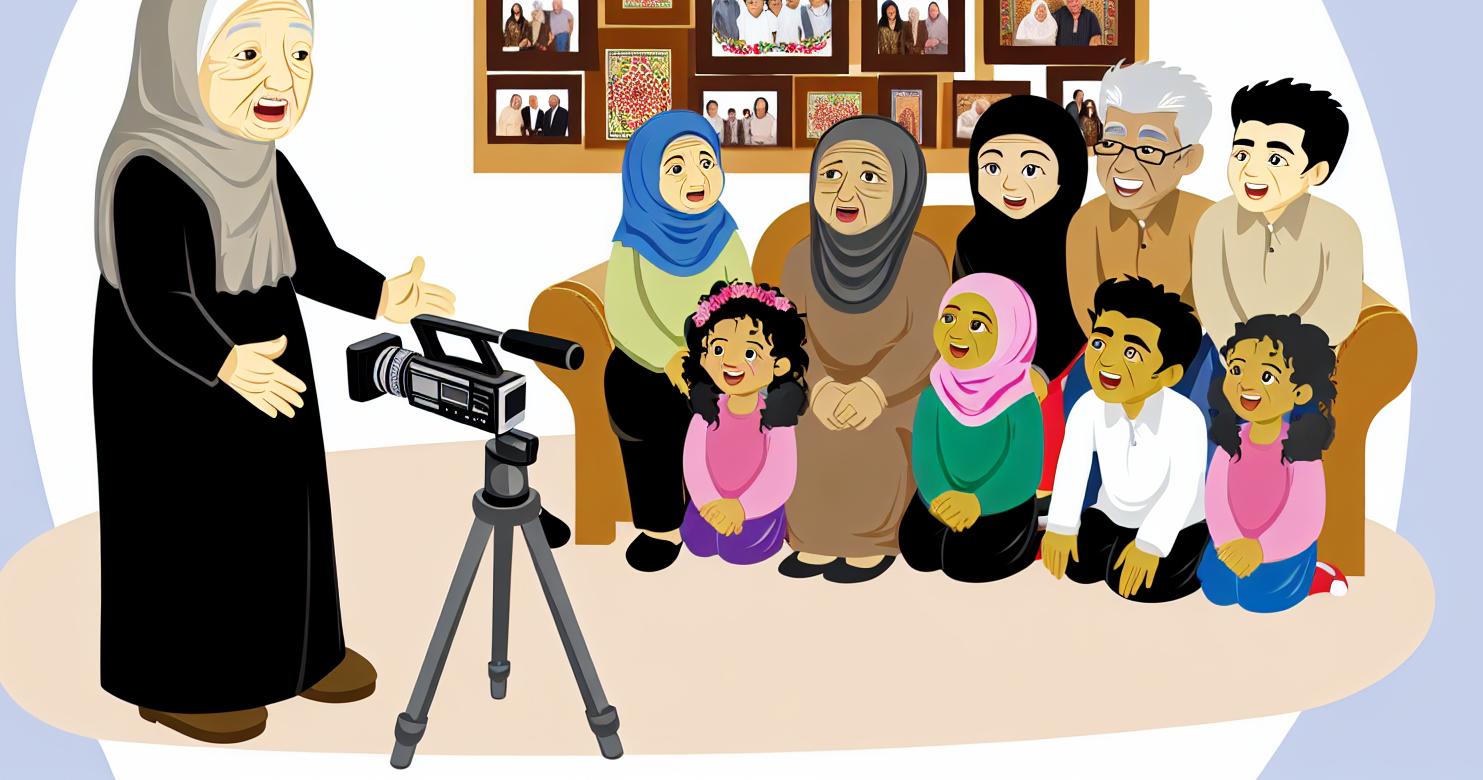
What Are the Advantages of Videotaping Family History?
Have you ever wondered what makes videotaping family history so special? You're not alone. Many find themselves drawn to this unique way of preserving memories, not just for its ability to capture voices and expressions but also for its deeper impact on connecting generations.
It's more than just recording; it's about creating a tangible link to your past, allowing future generations to not only hear about family traditions and values but to see them in action. By capturing the authentic emotions and unscripted moments, you're essentially weaving a rich tapestry of your family's journey through life.
This method of preservation offers a wealth of benefits, from strengthening family bonds to fostering a sense of identity among younger members. Now, you might be curious about how exactly these advantages unfold and impact those involved.
Let's explore together the profound effects videotaping your family history can have and why it might just be the most invaluable legacy you can leave behind.
Key Takeaways
-
Video recording allows for the capturing of authentic emotions and facial expressions, enhancing the storytelling experience.
-
Videotaping family history strengthens family bonds and creates a lasting emotional connection across generations.
-
Preserving oral histories through video recording provides a treasured historical document and promotes mental health and well-being.
-
Understanding family dynamics through video recording empowers stronger connections in the present and fosters collective understanding and healing.
Capturing Authentic Emotions
Capturing authentic emotions through video recording not only enhances the storytelling experience but also forges a deeper, more meaningful connection between present and future generations by preserving the raw essence of family history .
When you delve into the annals of your family's past through the lens of video recording, you're engaging in a practice that transcends mere oral history. The vivid capture of facial expressions and the unguarded display of authentic emotions breathe life into the narratives, making them more relatable and impactful.
It's a historical fact that the nuances of human emotions are best conveyed through visual storytelling. Video recording offers a unique window into the soul, capturing the subtleties of joy, sorrow, and love that written or spoken words often fail to encapsulate fully. This method of preserving family history isn't just about creating a legacy; it's about documenting the very essence of human connection.
Embracing video recording as a means to document family history is a testament to the desire for freedom to express and preserve the authentic self. It's a powerful tool that ensures the emotional depth of your family's journey through time is felt by generations to come, creating a lasting, emotional bond.
Strengthening Family Bonds
Videotaping family history serves as a powerful conduit for strengthening familial ties. It not only preserves personal experiences across generations but also fosters a deeper understanding and empathy within the family unit. By capturing the life stories of loved ones through carefully curated interview questions, you delve into the depths of their experiences, unearthing untold stories and wisdom that have shaped the family's legacy. This process not only enhances family bonds but also connects future generations with their ancestors profoundly and tangibly.
The act of recording these personal narratives goes beyond mere preservation; it's an exercise in building a shared legacy that promotes bonding and resilience. It's about creating a space where family members can express themselves freely, share their triumphs and challenges, and, in doing so, contribute to a collective sense of identity and belonging. Through the lens of a camera, you capture not just the answers to your questions but the essence of the person— their mannerisms, their laughter, their solemnity—making the storytelling experience rich, immersive, and deeply personal.
As you navigate this journey of videotaping family history , you're not just a passive observer; you're an active participant in strengthening the fabric of your family bonds, ensuring that the wisdom, traditions, and values of your loved ones are passed down with clarity and affection to future generations.
Order Digital Conversion Today
ORDER TODAYPreserving Oral Histories
Preserving oral histories through video strengthens family bonds and brings to life the nuanced tapestry of personal narratives and ancestral wisdom that might otherwise fade with time. By choosing to record your family history , you're not just capturing stories; you're safeguarding the essence of life itself—its triumphs, struggles, and everything in between.
Benefits of Videotaping Oral Histories:
-
It captures the full spectrum of human emotion and expression, offering a more immersive and engaging experience.
-
Creates a treasured historical document that serves as a legacy for future generations, enabling them to connect with their ancestors on a personal level.
Videotaping family history answers questions you mightn't even know to ask, creating a record that's invaluable for both personal reflection and historical research. It's akin to contributing to a living Library of Congress, filled with personal accounts and reflections that paint a broader picture of human experience.
How Videotaping Enhances the Preservation Process:
-
Simplifies the recording process, making it more accessible and less time-consuming.
-
Promotes mental health and well-being by fostering a sense of connection and belonging.
Understanding Family Dynamics
Diving into the depths of family dynamics offers a unique lens through which to understand the intricate behaviors and relationships that shape our familial bonds. When you choose to Record Your Personal History, especially through videotaping, you're not just preserving memories; you're embarking on a journey to unravel the complex web of interactions that define your family's history. This exploration can illuminate the reasons behind certain patterns of behavior and shed light on frustrating or confusing past experiences that have lingered without explanation.
Understanding your family dynamics does more than clarify the past; it empowers you to forge stronger connections in the present. By examining the dynamics between family members, you gain invaluable insights into how relationships have evolved. This knowledge isn't just historical—it's deeply personal and can guide you in navigating your current familial relationships with more empathy and awareness.
Moreover, learning from each other's experiences, as recorded in your family's history, fosters a collective understanding that can heal old wounds and bridge gaps. It's not just about recounting events; it's about delving into the emotional and relational aspects that have shaped your family's narrative. Through this lens, you come to appreciate the richness of your heritage and the resilience of your bonds, ensuring that the legacy of your family's dynamics is understood and honored by future generations.
Therapeutic Benefits
Exploring the therapeutic benefits of recording personal history, it's evident that this practice not only enhances mental health but also strengthens memory recall, offering a unique intersection between emotional well-being and historical documentation. When you record your family's life stories, you're engaging in an activity that's been historically noted for its healing properties.
Therapeutic Benefits:
-
Improves Mental Health: Writing down or videotaping thoughts and feelings can help clarify them, offering a form of therapy that's both accessible and profound. Therapists and psychiatrists often encourage this act of self-expression as a means to navigate through emotional turmoil, making the process of documenting life stories inherently therapeutic.
-
Clarification of thoughts
-
Emotional release
-
Boosts Memory Recall: Engaging in the recollection of past events can be a mental exercise that strengthens cognitive abilities, particularly for those facing memory loss. It's a way to combat the decline of memory, ensuring that personal history isn't lost but preserved.
-
Combatting memory loss
-
Strengthening cognitive abilities
Frequently Asked Questions
Why Do We Record Family History?
You record family history to forge an emotional connection, serve as a generational bridge, and preserve cultural heritage. It strengthens personal identity through storytelling techniques, offering a sense of freedom in understanding your roots.
Why You Should Record Family Members?
You should record family members to deepen personal connections, evoke emotional resonance, and capture unique perspectives. It strengthens generational bonds and ensures memory preservation, granting you the freedom to revisit and cherish your heritage anytime.
Why Is Recording History Important?
Recording history isn't just about looking back; it's a leap into preserving culture, impacting society, and serving as an educational resource. You'll forge emotional connections and bond generations, ensuring freedom through knowledge and shared stories.
What Is the Best Way to Record Family History?
You'll want to choose the right equipment, master lighting tips, and adopt effective interview techniques. Storytelling methods and archival storage are crucial for preserving your family history vividly and ensuring future generations cherish it.
Order Digital Conversion Today
ORDER TODAYAdvantages of Videotaping Family History Concluding Thoughts
So, you're convinced that videotaping your family history will magically bind the family, preserve ancient wisdom, and maybe, just maybe, cure that existential dread?
Well, congratulations! You've discovered the ultimate solution to achieving eternal unity and understanding within your clan. By capturing every smirk, eye roll, and heartfelt story, you're not just creating a time capsule; you're crafting an emotional labyrinth for future generations to navigate.
Welcome to the ultimate blend of nostalgia and subtle family therapy—videotape style.