
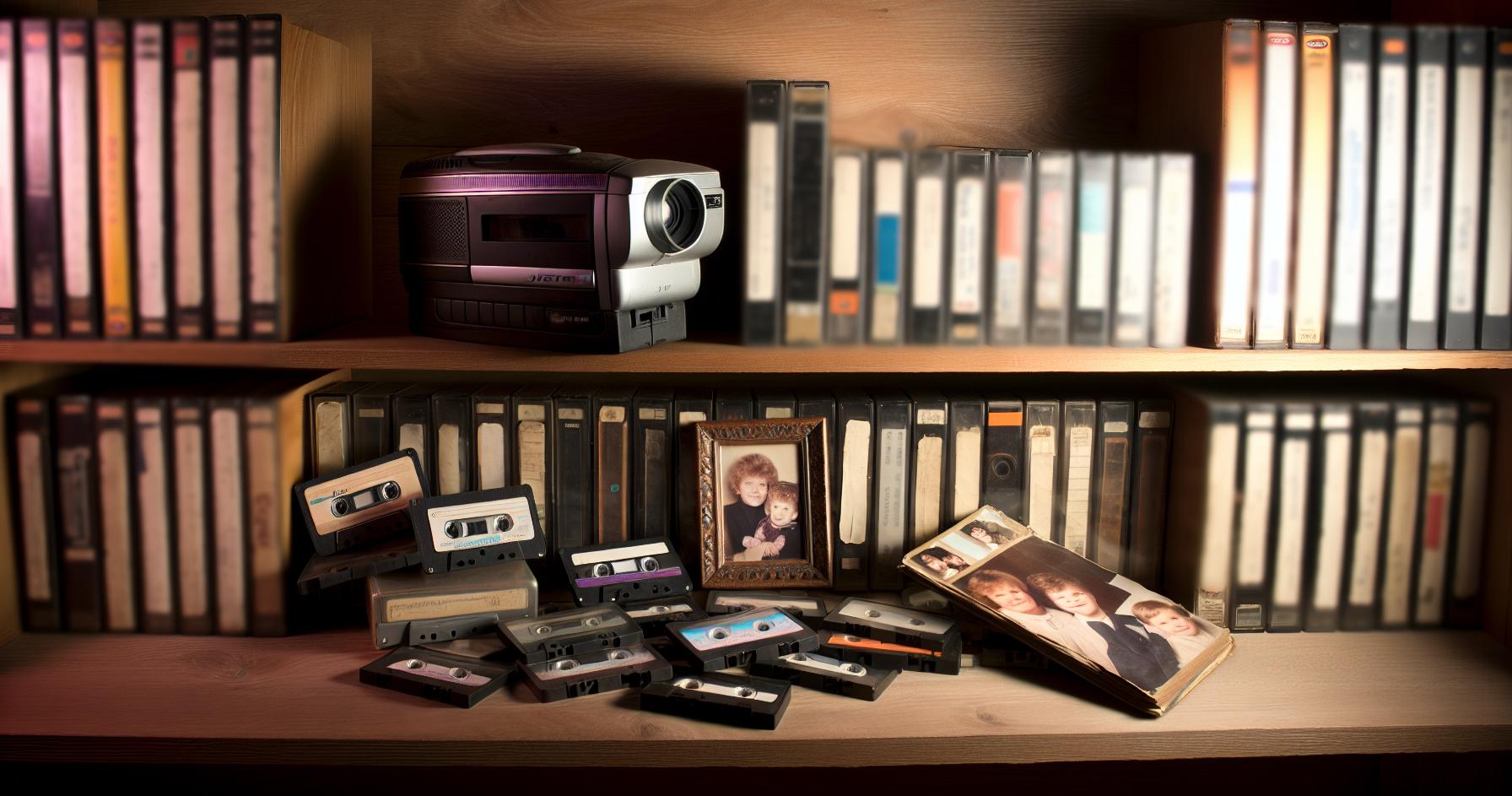
What Role Did Videotape Play in Preserving Family History
Have you ever considered how a simple videotape, seemingly mundane at first glance, holds the power to bridge generations?
You've likely experienced the joy of discovering old videotapes , those precious reels that captured the essence of family gatherings , birthdays, and holidays, effectively freezing time. These tapes weren't just about recording events; they offered a window into the past, allowing you to witness the laughter, the voices, and the unscripted moments of those who came before you.
Videotapes gave families a unique tool for preserving their history, creating a tangible connection to the past that photographs alone could not achieve.
As we explore the impact of videotape on family history , consider how this technology has shaped our understanding of our ancestors and what lessons it offers for the future of personal archiving.
Key Takeaways
-
Videotape revolutionized the preservation of family history by enabling the capturing of personal stories and experiences in dynamic video recordings.
-
Capturing unscripted moments on videotape enriches the narrative of family history by providing raw and intimate glimpses into family dynamics, recording voices, laughter, and ambiance of gatherings.
-
Digitizing family memories through videotape preserves these moments for future generations, enhancing accessibility and allowing for easy sharing across generations.
-
Videotape has had a significant impact on genealogy by revolutionizing the preservation and understanding of genealogical history, providing a tangible connection to the past, preserving oral histories, personal interviews, and cultural traditions, and enhancing documentation of family lineage.
Videotape Emergence
The emergence of videotape revolutionized how families preserve their history, enabling them to capture and immortalize personal stories and experiences with unprecedented clarity and accessibility. This pivotal shift wasn't just about technology; it was about granting individuals the freedom to document their lives in a way that was previously unimaginable.
The emergence of videotapes meant that family history was no longer confined to static photographs or oral tales that could fade or change over time. Instead, video recordings offered a dynamic, multi-sensory record, preserving family nuances, emotions, and interactions for generations to come.
With the advent of videotape, capturing moments in time became more than a novelty; it became a vital tool in the preservation of heritage and legacy. This technology not only made it easier for families to document significant events and everyday life but also ensured that these memories were accessible and durable. The ability to digitize old recordings further bolstered this, safeguarding cherished memories against the ravages of time.
Videotape's role in preserving family history is profound. It fosters a deeper connection to one's roots and enables the sharing of cultural traditions, oral histories, and generational wisdom with an ease and fidelity that was once thought impossible.
Order Digital Conversion Today
ORDER TODAYCapturing Unscripted Moments
While videotape emergence revolutionized the preservation of family history , it's the capturing of unscripted moments that truly enriches the narrative. It offers a raw and intimate glimpse into the dynamics that photographs and scripted recordings simply cannot capture. The spontaneity of these moments, caught on cassette tapes, brings family memories to life in a way that scripted scenes or posed pictures never could.
| Aspect | Importance | Outcome |
|---|---|---|
| Spontaneity | Central | Unfiltered insights |
| Authenticity | High | Genuine connections |
| Memory Preservation | Essential | Lasting legacy |
Capturing unscripted moments on video allows for the preservation of genuine and unfiltered family dynamics. These moments, often overlooked or considered mundane at the time, become treasures that offer insights into the personalities, relationships, and environments that shaped a family's history. Unlike photographs that capture a single, often staged moment, video can record the voices, laughter, and even the ambiance of a family gathering, making the memories more vivid and emotionally impactful.
In ensuring these family memories are not lost to time, digitizing cassette tapes becomes crucial. Not only does it safeguard against the degradation of physical media, but it also ensures that these precious, unscripted moments are accessible for future generations, weaving a rich tapestry of family history that is as authentic as it is invaluable.
Accessibility and Sharing
Digitizing family memories not only safeguards them against physical degradation but also significantly enhances their accessibility and sharability across generations. By converting old videotapes into digital files, you're unlocking a treasure trove of family history for loved ones to access and share easily.
This move towards digital preservation opens up numerous possibilities:
-
For older relatives:
-
Engaging with technology to revisit cherished memories, possibly adding captions or annotations that provide context and enrich the story for future generations.
-
Sharing these digital files via email or cloud services makes it simpler for them to connect with family members across the globe.
-
For younger family members:
-
Discovering family history through more accessible mediums fosters a deeper connection with their heritage.
-
Contributing their own memories and perspectives, ensuring the continuous growth of the family's digital archive.
This process not only revitalizes connections among family members but also assures that your collective history isn't confined to the past. It becomes a living, evolving narrative that's readily accessible, engaging grandchildren and enticing them to contribute and cherish these invaluable audio and video heirlooms.
Impact on Genealogy
Videotapes have revolutionized the way we preserve and understand our family's genealogical history, offering a dynamic medium through which important events, stories, and traditions are captured and passed down to future generations. This evolution has significantly impacted genealogy by providing a tangible connection to the past that goes beyond traditional records and written documents.
With videotapes, family members have taken the time to preserve oral histories, personal interviews, and cultural traditions, ensuring a richer understanding of their heritage.
The act of digitizing old family videotapes has further solidified their value, making it easier for these precious memories to be accessible and shared. This process not only safeguards valuable genealogical information but also enhances the documentation of family lineage. Through the visual and emotional depth that videotapes offer, you're able to see and hear your parents and grandparents, understanding their experiences and personalities in a way that written records can't convey.
This unique aspect of videotapes has had a profound impact on genealogy, allowing individuals to pass along a more detailed and personal account of their family's history. It's a way to ensure that the stories of those who came before us aren't lost but rather celebrated and remembered, providing a sense of freedom and connection for generations to come.
Preserving Through Digitization
Building on the profound impact videotapes have had on understanding family histories, digitization emerges as a crucial step in preserving these narratives for future generations. Preserving through digitization not only safeguards these memories against the inevitable degradation of physical media but also ensures that access to these cherished moments is just a click away. It's an investment in the continuity of your family's story, offering both a bridge to the past and a gateway for future explorations.
Considering this move towards digital preservation, here are some strategic approaches:
-
Utilize archival-quality materials and equipment
-
Ensure digital copies are stored on high-quality, durable media.
-
Opt for equipment specifically designed for archival tasks to maintain integrity during the digital conversion process.
-
Leverage technology and resources
-
Consult the Library of Congress for comprehensive archiving tips.
-
Employ audio and video recording devices, digital scrapbooks, and apps designed for capturing and preserving history.
This method not only helps save money in the long run by mitigating the need for physical storage solutions but also respects your Privacy Policy by keeping personal histories secure.
Always be ready with Follow-up questions to refine your understanding and approach to digital preservation.
Order Digital Conversion Today
ORDER TODAYFrequently Asked Questions
What Is the Best Way to Record Family History?
The best way to record family history involves combining family interviews, ancestral research, and compiling photo albums into digital archives and memory boxes to ensure lasting preservation and easy access for future generations.
How Can I Record My Parent's History?
To record your parents' history, use interview techniques, memory triggers, and storytelling tips. Consider ethical considerations and employ archiving strategies for longevity. This approach ensures their stories are preserved accurately and respectfully for future generations.
How Do I Record a Family Video?
To record a family video, start by choosing the right equipment. Focus on lighting tips and audio quality for clarity. Select a meaningful location, then dive into editing basics. It's your time capsule; craft it wisely.
How Do You Record Your Memories?
You can record your memories through memory scrapbooking, keeping digital diaries, conducting audio interviews, assembling photo albums, and updating social media timelines. These methods offer creative freedom to document life's moments in a detailed, objective manner.
Role Videotape Plays in Preserving Family History
Ironically, in your quest to capture every fleeting moment, you've amassed piles of videotapes, each a time capsule of unscripted family drama. These tapes, once the pinnacle of technology, now sit like relics in a digital age. Yet, they've been instrumental in preserving your family's legacy, allowing future generations a glimpse into the past.
Through digitization, these memories avoid the fate of being forgotten, ensuring that even in an era of fleeting digital content, your family's history remains indelibly recorded.