
Why Did Videotape Transform Family History Preservation
Did you know that by the late 1980s, over half of American households owned a VCR ? This widespread adoption of videotape technology marked a pivotal shift in how families preserved their history.
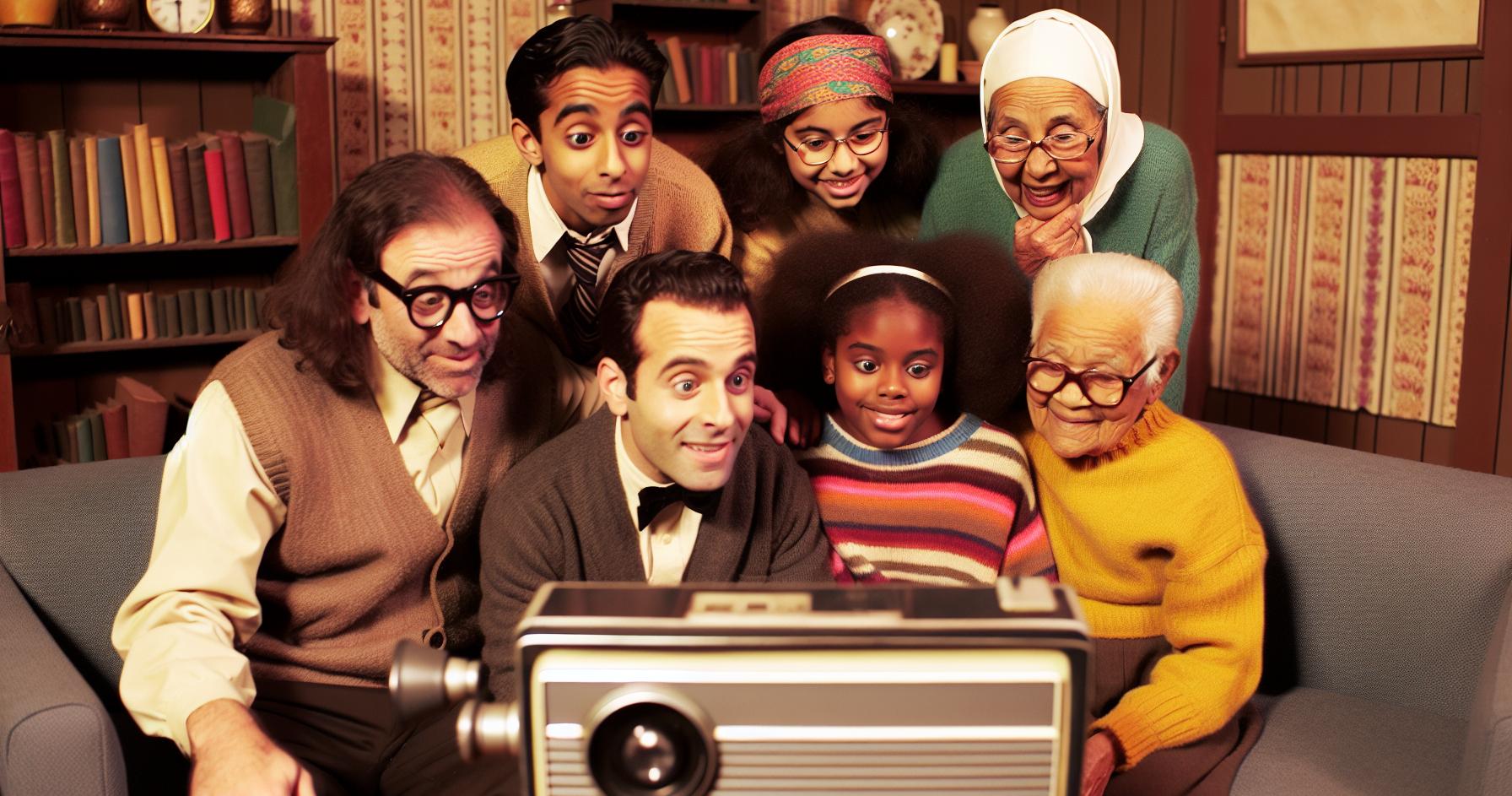
You've likely experienced the magic of rediscovering a family event through the lens of a decades-old videotape, be it a birthday party, a holiday gathering, or an impromptu home performance. Unlike photographs or written records, videotapes added a dynamic layer to family archives by capturing sound, movement, and the authenticity of moments as they unfolded.
This novel ability to record life in motion offered an immersive glimpse into the past, allowing future generations not only to see but hear and feel the atmosphere of family milestones.
As you consider the impact of videotape on family history preservation, think about the role it played in enhancing emotional connections across generations and how it laid the groundwork for today's digital archiving practices.
The journey from those bulky tapes to the cloud storage of today reveals a fascinating evolution in how we hold onto our personal histories, and there's more to explore about this transformation than meets the eye.
Key Takeaways
-
Preserving audio and video recordings provides valuable insights into ancestry and cultural contexts.
-
Advancements in technology have made recording and storing family history more accessible and user-friendly.
-
Audio recordings enhance emotional connections and strengthen family ties.
-
Proper storage and digitization methods ensure the longevity and durability of family recordings.
Capturing Authentic Moments
Preserving authentic moments through family audio and video recordings lets you hold onto the essence of loved ones and cultural heritage, enriching your understanding of your ancestry. This process isn't just about keeping a record; it's about capturing authentic moments that breathe life into your family history .
Preserving audio and video recordings allows you to cherish and pass down invaluable stories and memories.
These preserved moments offer an intimate glimpse into the personal connections and cultural contexts that shape your family members. They add richness and depth to family narratives that written records or photographs alone can't match. Oral history audio recordings, in particular, play a crucial role in safeguarding oral traditions and ancestral knowledge. They ensure that the voices of your ancestors aren't lost to time.
Embracing the task of capturing and preserving these authentic moments grants you freedom. Freedom to explore the past, understand the present, and influence future generations. It's about more than just remembering; it's about connecting with and preserving the unique essence of your heritage and the people who came before you.
Order Digital Conversion Today
ORDER TODAYEase of Use and Accessibility
While capturing authentic moments offers a window into the past, the ease of use and accessibility of modern recording technologies ensure that anyone can effortlessly preserve these memories.
Initially, the transition from cumbersome video equipment to more user-friendly formats like cassette tapes marked a significant leap. This evolution meant that you didn't need to be a tech wizard to record a family gathering or an impromptu interview with a grandparent. The simplicity of pushing a button on a handheld camcorder or a tape recorder liberated countless individuals, allowing them to document their stories without barriers.
As technology advanced, so did the avenues for preservation. Audio recordings and video files could now be transferred to hard drives, ensuring longevity far beyond what magnetic tapes could offer. Moreover, the advent of cloud storage has revolutionized ease of use and accessibility. With digital files stashed online, you're free from the physical constraints of tapes and DVDs. Your family's history is accessible anytime, from anywhere, and safeguarded against loss or damage.
This transformation in how we store and access our memories underscores a remarkable shift towards a more inclusive and democratic approach to preserving our collective past.
Enhancing Emotional Connection
Listening to audio recordings of our ancestors not only brings their stories to life but also deepens our emotional bond with our family's history. Preserving these audio gems allows us to cherish and hand down memories, significantly strengthening the ties that bind us across generations.
Imagine hearing the laughter, the accents, and the expressions of love and wisdom that have shaped your family. These recordings provide invaluable insights into your family's past, fostering a deeper emotional connection to your heritage. They help you preserve the essence of what makes your family unique, creating a tangible link to ancestors you may have never met.
-
Preserving audio for ancestry:
-
Breathes life into genealogical research.
-
Creates a profound emotional link to familial roots.
-
Types of recordings:
-
Homemade records, cassette tapes, and reel-to-reel recordings are cultural treasures.
-
Oral history captures cultural traditions and heritage, enriching family narratives.
As family historians, it's vital to safeguard these auditory treasures. They're not just sounds from the past; they're the heartbeats of your family's story. By preserving these recordings, you're not just holding onto history; you're embracing the emotional essence of your family's past, ensuring it enriches generations to come.
Longevity and Durability
Having established the emotional value of audio recordings in connecting us to our family's history, it's crucial to consider how we can ensure these treasures withstand the test of time, focusing on their longevity and durability. You don't want your family's legacy collecting dust or degrading due to improper care.
By employing proper storage media, such as archival-quality materials, you're taking a significant step towards preserving those precious moments. Storing these items in moderate temperatures is key to extending their life.
Furthermore, archivists and preservationists recommend digitizing your physical collections. This doesn't just mean transferring them to an external hard drive but also considering cloud storage as a safeguard. Digitization enhances the longevity and durability of your family tree's audiovisual materials, ensuring they're accessible for generations.
Transcribing audio materials into text provides an invaluable backup, offering another layer of preservation. Additionally, sharing these digitized and transcribed treasures within databases not only enriches your family's story but contributes to the broader genealogical community.
The Shift to Digital Archiving
The shift to digital archiving represents a pivotal move in safeguarding family histories for future generations, leveraging technology to preserve and access ancestral stories and memories with unprecedented ease and reliability. You're now part of an era where digital archiving empowers you to immortalize your family's narrative with the click of a button, ensuring no story is lost to time.
-
Key Benefits of Digital Archiving:
-
Enhanced Preservation: Digital files, unlike analog tapes, don't deteriorate over time, ensuring your family's audio memories and cultural traditions are maintained for posterity.
-
Easy Accessibility: Storage solutions like cloud services and external hard drives offer you the freedom to access your family's stories anywhere, anytime.
-
Practical Steps for Digital Archiving:
-
Converting to Digital: Digitizing old family recordings, from audio files to Family Photos, is crucial. Tools and services are available to help you transition from analog to digital effortlessly.
-
Sharing and Collaboration: Utilize platforms that allow for shared databases, like the Library of Congress, to enrich your family's genealogical records through collaborative efforts and partnerships.
Embrace digital archiving as your gateway to preserving and accessing the rich tapestry of your family's history.
Order Digital Conversion Today
ORDER TODAYFrequently Asked Questions
What Is the Best Way to Record Family History?
The best approach is to combine oral storytelling, digital storytelling, photo albums, maintaining family trees, conducting archival research, and keeping personal diaries. This diverse approach ensures you've captured your family's history from every possible angle.
How Can You Preserve Family Records?
To preserve your family records, consider digital archiving, creating photo albums, and engaging in oral storytelling. Use genealogy websites and memory boxes, and focus on heirloom preservation for an enduring legacy.
Videotape Transforming Family History Preservation
In summary, videotape revolutionized family history preservation like nothing else before. You've captured life's fleeting moments with unparalleled authenticity, bringing the past to life with a mere push of a button.
The ease of use made everyone a historian, and the emotional depth of these recordings can tug at your heartstrings like a masterful symphony. Despite its physical form giving way to digital, the essence of videotape's impact is immortal.
It's not just preservation; it's time travel in a cassette.