
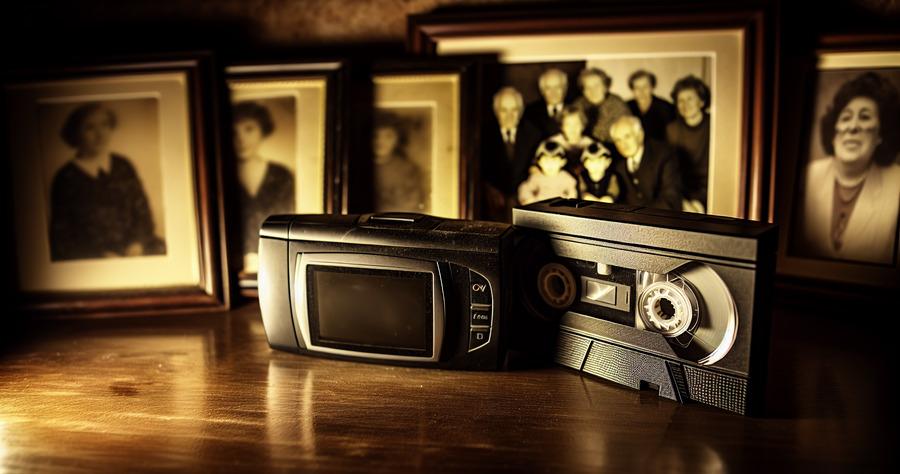
Why Has Videotape Become Essential for Family Heritage Preservation
In the tapestry of family history , videotape has become the golden thread weaving together moments that photographs alone can't capture. You've likely experienced the profound impact of watching old family videos, where the sights and sounds transport you back in time, letting you relive memories with an immediacy that still photos or written words just can't match.
It's this unique ability to encapsulate not just images but voices, laughter, and ambiance that has made videotape an indispensable tool in preserving family heritage. As you consider the importance of these visual time capsules, you'll find there's much more to uncover about how they serve as a bridge connecting past and future generations.
Let's explore why ensuring these memories are securely stored and accessible is more crucial now than ever before.
Key Takeaways
Videotape revolutionized television production, offering convenience and flexibility.
Recent technological advancements allow for more efficient preservation of family heritage.
Digitizing videotapes is crucial for long-term preservation and accessibility.
Challenges in heritage preservation can be overcome through proper storage, digitization, and professional guidance.
Origins of Videotape
The origins of videotape trace back to the early 1950s, marking a pivotal moment in broadcasting history. This innovation introduced a cheaper and more flexible alternative to film, revolutionizing television production. You've likely heard the term 'video recording system' but may not fully appreciate its impact on broadcast television and, indirectly, your first home memories.
Imagine the convenience and freedom it offered to broadcasters. With videotape, studio-based programming could be shot and stored with unprecedented efficiency, saving precious time by eliminating the need for film processing. This wasn't just a technical upgrade—it was a creative liberation. For the first time, producers and directors could experiment with new visual effects and storytelling techniques, enhancing the viewing experience for audiences worldwide.
Pop music shows, children's TV, current affairs, and documentaries thrived under this new system. The ability to reuse videotape was a game-changer, although it also led to the unfortunate loss of significant broadcast programming and cultural heritage. Yet, the advantages were undeniable.
Videotape's introduction laid the groundwork for the rich, diverse media landscape you enjoy today, making it an essential component of broadcasting history and, by extension, your family's heritage preservation.
Order Digital Conversion Today
ORDER TODAYTechnological Advancements
With recent technological advancements, you now have the power to preserve your family's heritage more efficiently by digitizing and securely storing precious photos and videos. The journey of digital preservation begins with identifying which tape formats and digital possessions hold the most sentimental or historical value. Once pinpointed, you're tasked with organizing these treasures into archive folders. This step is foundational, ensuring that every piece of your family's legacy is accounted for and easily accessible.
The next critical phase involves making backup copies of these archives. It's advisable to utilize external hard drives for their reliability and capacity. Yet, don't stop there. For added security, store backup copies in different geographic locations. This strategy significantly reduces the risk of data loss due to natural disasters or technological failures.
Regular maintenance of your digital archives is essential. This includes updating storage mediums as technological advancements render older ones obsolete, employing consistent folder naming schemes, and keeping multiple copies to safeguard against accidental loss. By embracing these practices, you not only organize and manage your family's digital content effectively but also ensure its longevity.
This way, sharing and distributing these irreplaceable memories becomes a hassle-free task, granting you the freedom to keep your family's heritage alive for generations to come.
Videotape in Heritage Preservation
As you delve into the process of heritage preservation, consider how videotape has revolutionized the way we capture and maintain our family's most cherished moments for posterity. Videotape democratized video production, allowing you to create and keep your own moving image content. This shift meant that capturing family memories wasn't just for the wealthy or technologically adept; it became accessible for home use, ensuring that anyone could document their life's events.
Digitizing videotapes is crucial for long-term preservation and accessibility. Without transitioning to digital collections, the rich details of your family's past might be lost. Here's a simple guide to managing and preserving these invaluable digital archives:
| Task | Importance |
|---|---|
| Digitizing | Converts memories for long-term preservation. |
| Organizing | Keeps digital collections accessible. |
| Backing Up | Safeguards against data loss. |
| Choosing Storage | Determines accessibility and longevity. |
| Regular Updates | Ensures compatibility with new technology. |
This methodical approach not only preserves family memories but also gives you the freedom to share these cherished moments with future generations. Remember, preserving digital files, including videos, is essential for recording the intricate details of our lives, ensuring their accessibility for years to come.
Challenges and Solutions
Every heritage preservation journey encounters its share of challenges, yet practical solutions exist to navigate these hurdles effectively. For instance, the care of audiovisual materials demands storing them in moderate temperatures, protecting them from dust, and avoiding contact with playing surfaces. Sharp objects and food must be kept at bay, and damaged cassettes require professional attention. When it comes to storing and shipping, archival-quality materials are essential. Follow specific instructions, label everything clearly, minimize handling, and seek expert advice for damaged items.
Digitizing your collection is a key step. Use the right equipment and skills, or consult a professional to convert your videotapes into digital files. This ensures your memories are preserved in a format that's accessible for future generations. Additionally, attaching these digital files to platforms like the FamilySearch Family Tree can offer broader public access.
Transcribing audio material into text also provides an invaluable backup. Whether manually or through computer programs, transcription ensures the essence of your family's stories is preserved. Consulting resources like the Library of Congress or The New York Times can offer further guidance, ensuring your efforts lead to lasting preservation and access.
Future Prospects
Looking toward the future, it's crucial you understand how technological advancements and changing cultural landscapes will shape the preservation of videotape heritage. As video production continues to evolve, the methods and strategies for family heritage preservation must adapt. The digital era offers new opportunities for archiving, restoring, and sharing family memories recorded on videotape. However, this also poses challenges, including the risk of digital obsolescence and the need for continuous technological education.
The future prospects for videotape in family heritage preservation are promising, yet they demand a proactive approach. You'll need to stay informed about the latest digital storage solutions and video production technologies that ensure the longevity and accessibility of your family's videotaped memories. Additionally, the cultural significance of videotape as a medium for personal and collective memory underscores the importance of these preservation efforts.
To successfully navigate these future prospects, you must embrace both the technological advancements and the shifting cultural values surrounding family heritage preservation. By doing so, you'll safeguard your family's videotaped legacy for generations to come, ensuring those precious memories aren't only preserved but also cherished and shared within the broader context of our digital age.
Order Digital Conversion Today
ORDER TODAYFrequently Asked Questions
Why Was Videotape Invented?
Videotape was invented to revolutionize recording innovation, offering magnetic storage for high video quality. It gave you the freedom to capture moments, democratizing content creation and ensuring your memories aren't lost but preserved for future generations.
What Is the Best Way to Record Family History?
Recording family history is like capturing sunlight in a bottle; it's invaluable. Conduct genealogy interviews, embrace digital archiving, and dive into scrapbook creation. This methodical approach ensures the freedom of your legacy for generations to come.
Is Videotape Still Used?
Yes, you're still using videotape, but with digital migration, concerns about storage longevity, and format obsolescence, it's critical you convert tapes to digital. This ensures your cherished memories remain accessible and preserved for future generations.
What Is the History of Video Cassette?
Imagine rewinding through the tape of history, where magnetic storage evolution and format wars sculpted the video cassette's journey. You've faced preservation challenges, but it's your freedom to capture moments that truly define its legacy.
Essence of Videotape Family Heritage Preservation
In wrapping up, it's clear that videotape has woven itself into the fabric of family heritage preservation, embracing moments that photos or letters simply can't.
Despite facing a few bumps along the tech highway, solutions have always been on the horizon, ensuring that these visual time capsules stay in prime condition.
Looking ahead, the journey for videotape in safeguarding our cherished tales seems bright, promising a continued legacy of capturing life's fleeting whispers for generations to cherish and relive.